
 EN
 ar
 bg
 hr
 cs
 da
 nl
 fi
 fr
 de
 el
 hi
 it
 ko
 no
 pl
 pt
 ro
 ru
 es
 sv
 tl
 iw
 id
 lv
 lt
 sr
 sk
 sl
 uk
 vi
 et
 hu
 th
 tr
 fa
 ms
 hy
 ka
 ur
 bn
 mn
 ta
 kk
 uz
 ku

Automated Equipment Test Cable
The practical function of Kingmach Automated Equipment Test Cable is to keep signals and power paths stable between field instruments and monitoring hardware. A cable route may look minor on drawings, but it determines whether data reaches the recorder cleanly after rain, vibration, bending, interference, or routine site work. Layered shielding helps with electrical noise. Water-resistant insulation and sealing help with wet exposure. Wear resistance helps when routes pass through areas that may be handled, moved, or inspected repeatedly. The cable specification should therefore be reviewed with the same care as sensor range and recorder channel count.
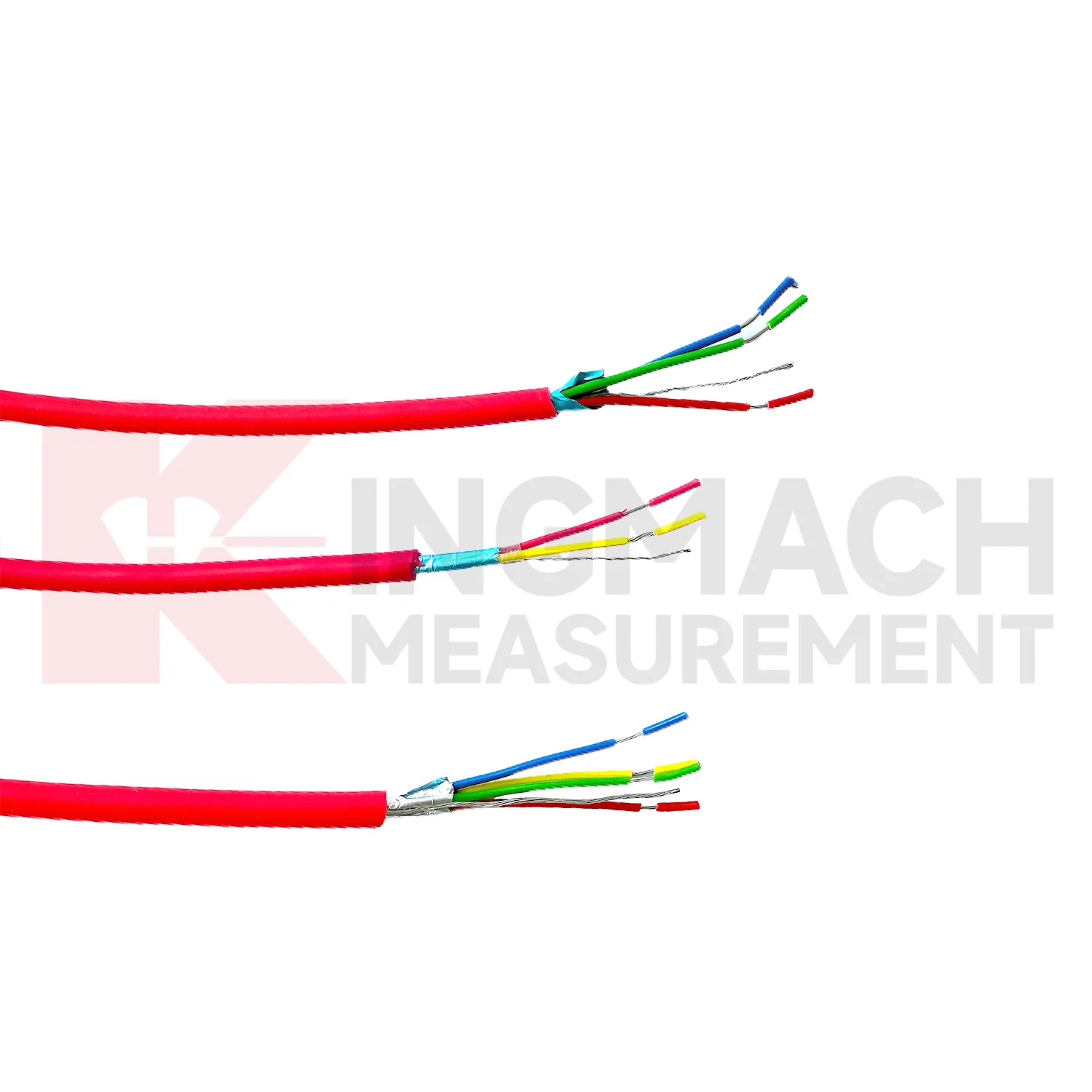
Application of Automated Equipment Test Cable
Railway and subway monitoring uses Kingmach Automated Equipment Test Cable where vibration, traction power, signaling equipment, and restricted access can make maintenance difficult. A stable cable path is important because small signal disturbances may be mistaken for track, tunnel, bridge, or subgrade behavior. JMZX-XPX helps where anti-interference performance is required near electrical systems. Moisture-resistant routing supports underground or drainage-adjacent sections. Once installed, cable labels and channel records let maintenance staff inspect the network quickly during limited access windows.
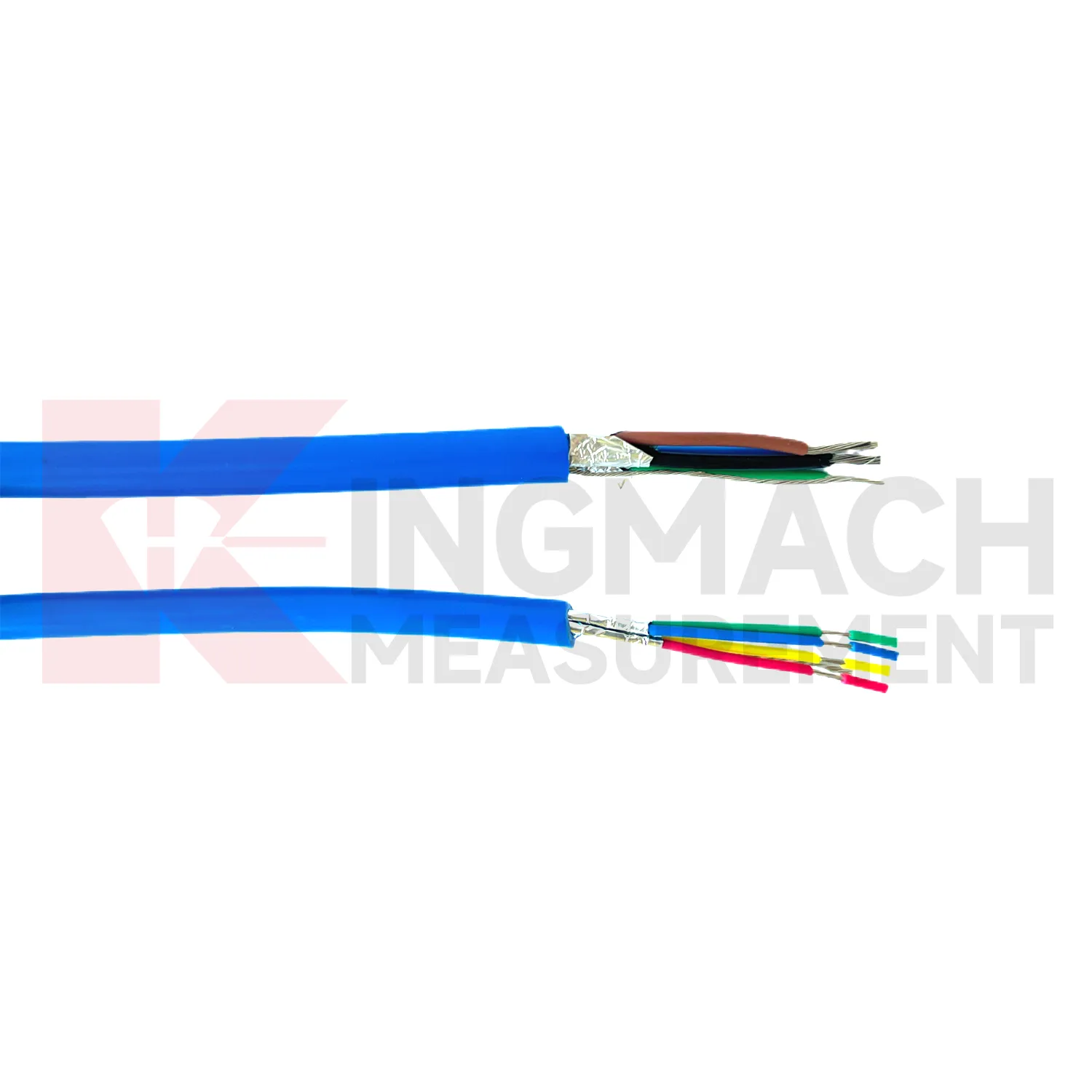
The future of Automated Equipment Test Cable
Standardized project records will shape the future use of Kingmach Automated Equipment Test Cable. Owners and engineering firms will expect handover files to include cable type, core count, route drawing, cabinet entry, connector status, and commissioning data. This level of detail makes later audits easier and supports cross-site comparison. When every monitoring point has a traceable cable history, the team can respond faster to alarms, replacement work, and system expansion without losing confidence in old data.
Care & Maintenance of Automated Equipment Test Cable
During installation, handle Kingmach Automated Equipment Test Cable in a way that protects the shielding, insulation, and cable ends. Avoid sharp bends, crushed sections, uncovered cuts, and pulling force beyond the route plan. Keep cable ends dry before termination, and seal entries into cabinets or junction boxes. If the cable passes through conduit, confirm that the route is clean and free of edges that can damage the sheath. A stable mechanical path reduces intermittent faults after the monitoring system begins collecting data.
Kingmach Automated Equipment Test Cable
The value of Kingmach Automated Equipment Test Cable becomes clear during commissioning. Before a monitoring system is accepted, engineers need stable readings, clean channels, correct labels, and a cable route that can survive normal site activity. If a reading drifts during the first test, the team should inspect shield continuity, cable end sealing, connector tightness, cabinet entry, and nearby interference sources before blaming the sensor. Good cable work shortens this troubleshooting process. It also gives the owner a clearer handover package: cable model, route photo, core assignment, recorder channel, and first stable data record.
FAQ
Q: What should be checked before pulling cable?
A: Confirm the drawing route, conduit condition, bend radius, wet sections, nearby power equipment, and cabinet entry position.
Q: How should a shielded cable route be handled?
A: Keep it away from strong electrical sources where possible and maintain the intended shielding practice at termination.
Q: Why are cable ends important?
A: Open or poorly sealed ends can let moisture enter the route and create unstable readings long after installation.
Q: What commissioning signs suggest a cable issue?
A: Repeated spikes, channel dropouts, flatline data, or readings that change when nearby equipment starts can point to the route.
Q: Why keep installation photos?
A: Photos show route position, cabinet entry, labels, and later changes, which makes troubleshooting faster.
Reviews
Robert Taylor
The weir flow meter is well-built and delivers accurate measurements. Great value for water management applications.
Christopher Martinez
Very satisfied with the readouts & data loggers. User-friendly interface and supports multiple sensor inputs.
Latest Inquiries
To protect the privacy of our buyers, only public service email domains like Gmail, Yahoo, and MSN will be displayed. Additionally, only a limited portion of the inquiry content will be shown.
Evelyn***@gmail.comSouth Africa
Hi, we are a contractor working on tunnel construction and need settlement sensors and displacement ...
Amelia***@gmail.comSingapore
Hello, I am looking for visualization software for monitoring system data analysis. Please let me kn...
Related product categories
- Singlelayer Shielded Test Cable
- Multicore Shielded Test Cable
- 2core / 4core / 6core / 8core Hydrological Cable
- Corrosionresistant Hydrological Cable
- Shielded Hydrological Cable
- Multicore Hydrological Cable
- Data Transmission Cable
- Automated Equipment Test Cable
- Sensor Shielded Test Cable
- Motor Shielded Test Cable
- Signal Cables
- Test dedicated shielded wire