
 EN
EN
 ar
ar bg
bg hr
hr cs
cs da
da nl
nl fi
fi fr
fr de
de el
el hi
hi it
it ko
ko no
no pl
pl pt
pt ro
ro ru
ru es
es sv
sv tl
tl iw
iw id
id lv
lv lt
lt sr
sr sk
sk sl
sl uk
uk vi
vi et
et hu
hu th
th tr
tr fa
fa ms
ms hy
hy ka
ka ur
ur bn
bn mn
mn ta
ta kk
kk uz
uz ku
ku
Multicore Shielded Test Cable
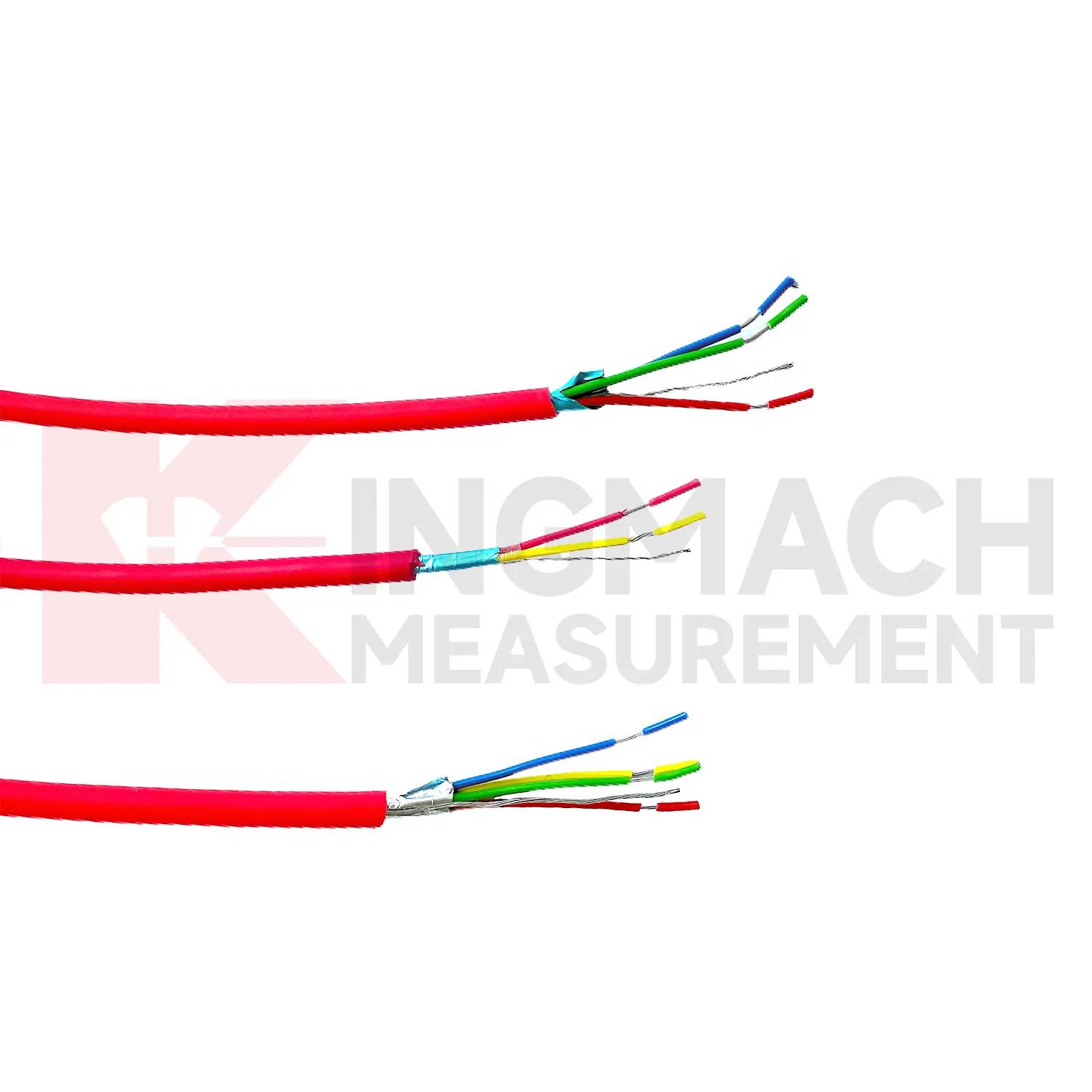
These Kingmach Multicore Shielded Test Cable are designed for compatibility with measurement equipment across structural monitoring sites. They support stable equipment connection for sensors, data recorders, cabinets, and maintenance upgrades. The product category is described as anti-interference, waterproof, moisture-proof, and wear-resistant, which matches common field demands in bridges, tunnels, slopes, buildings, dams, subgrades, foundation pits, and hydraulic structures. Rather than treating cable as a simple spare part, the category supports installation reliability, signal clarity, and longer equipment service life across monitoring networks.
Application of Multicore Shielded Test Cable
Railway and subway monitoring uses Kingmach Multicore Shielded Test Cable where vibration, traction power, signaling equipment, and restricted access can make maintenance difficult. A stable cable path is important because small signal disturbances may be mistaken for track, tunnel, bridge, or subgrade behavior. JMZX-XPX helps where anti-interference performance is required near electrical systems. Moisture-resistant routing supports underground or drainage-adjacent sections. Once installed, cable labels and channel records let maintenance staff inspect the network quickly during limited access windows.
The future of Multicore Shielded Test Cable
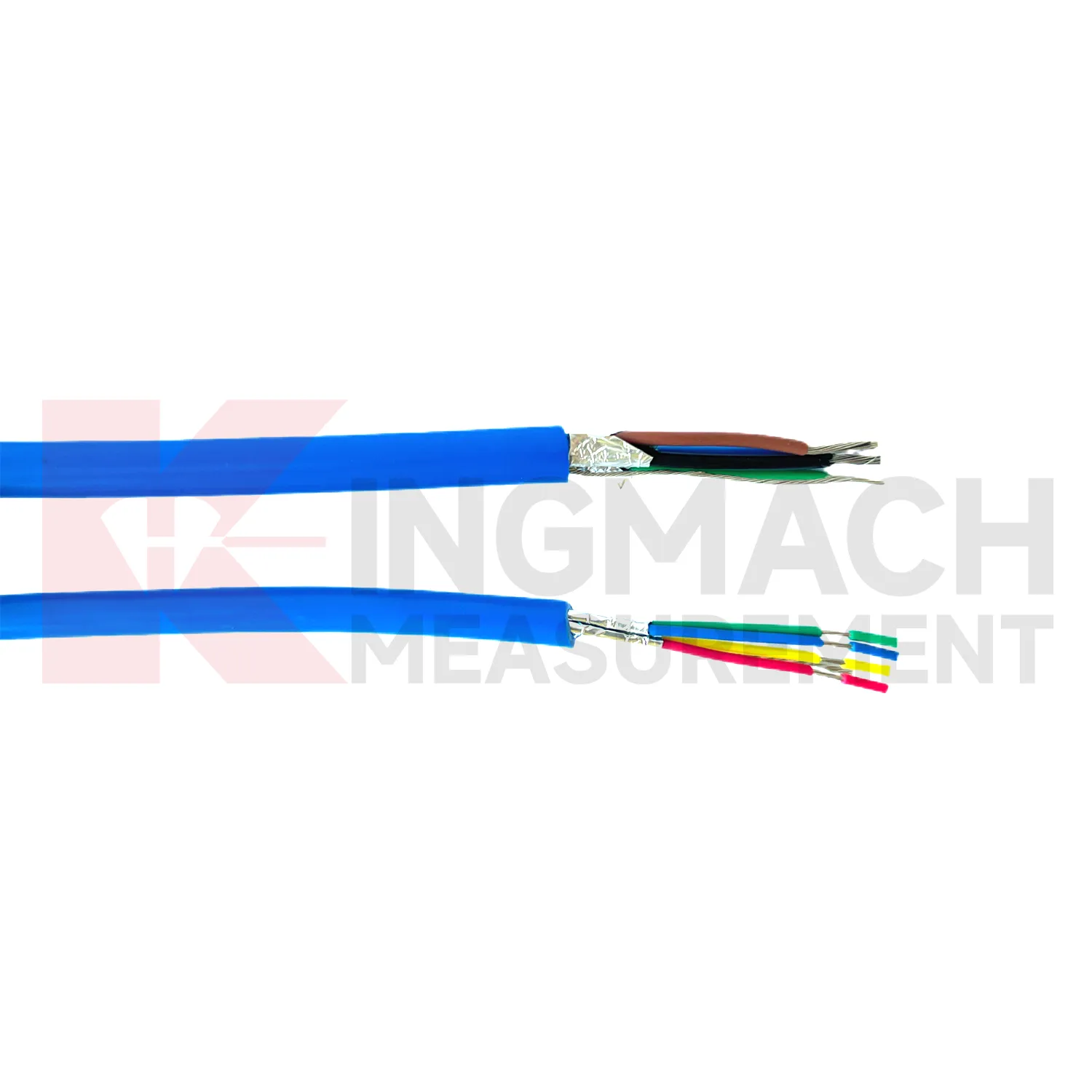
Future use of Kingmach Multicore Shielded Test Cable will be tied more closely to digital monitoring networks. As owners connect bridges, tunnels, dams, slopes, and buildings to online platforms, cable quality will remain a quiet but critical part of data trust. Wireless links may handle part of the communication path, but many field sensors still need stable power and signal routes at the measurement point. Shielded, sealed, and well-documented cables will help automated systems separate true structural events from connection noise, moisture faults, or channel interruptions.
Care & Maintenance of Multicore Shielded Test Cable
Protect Kingmach Multicore Shielded Test Cable from moisture at cable ends and cabinet entries. Even a cable with strong water-resistant behavior can fail if the termination is left open, poorly sealed, or exposed during maintenance. In hydraulic work, check glands, junction boxes, conduits, and any low points where water may collect. After heavy rain, flooding, cleaning, or wet construction work, inspect affected cable routes before relying on abnormal readings. Dry and sealed terminations help preserve signal quality over long monitoring periods.
Kingmach Multicore Shielded Test Cable
Kingmach Multicore Shielded Test Cable are important because many monitoring faults first appear as small connection problems rather than sensor damage. A loose connector, wet cable end, crushed sheath, or cable running beside strong electrical equipment can create readings that look like structural movement. Shielded and sealed cable construction helps reduce that risk when paired with careful routing and cabinet work. The product category covers test-specific shielded wires and hydraulic cables made for anti-interference, waterproof, moisture-proof, and wear-resistant service. In long-term structural health monitoring, this protects the credibility of strain, load, displacement, settlement, tilt, water level, vibration, and environmental records.
FAQ
Q: What should be checked before pulling cable?
A: Confirm the drawing route, conduit condition, bend radius, wet sections, nearby power equipment, and cabinet entry position.
Q: How should a shielded cable route be handled?
A: Keep it away from strong electrical sources where possible and maintain the intended shielding practice at termination.
Q: Why are cable ends important?
A: Open or poorly sealed ends can let moisture enter the route and create unstable readings long after installation.
Q: What commissioning signs suggest a cable issue?
A: Repeated spikes, channel dropouts, flatline data, or readings that change when nearby equipment starts can point to the route.
Q: Why keep installation photos?
A: Photos show route position, cabinet entry, labels, and later changes, which makes troubleshooting faster.
Reviews
Joshua Clark
We ordered a full monitoring solution including sensors and data loggers. Everything works seamlessly together. Great supplier!
Andrew Lee
The visualization software is intuitive and powerful. It helps us analyze monitoring data efficiently.
Latest Inquiries
To protect the privacy of our buyers, only public service email domains like Gmail, Yahoo, and MSN will be displayed. Additionally, only a limited portion of the inquiry content will be shown.
Sophia***@gmail.comUnited Kingdom
Good day, we need environmental monitoring sensors including temperature, humidity, and wind sensors...
Emma***@gmail.comCanada
Dear Sir/Madam, we are interested in displacement transducers and settlement sensors for a geotechni...
Related product categories
- Hydraulic cable
- Instrumentation Cables
- Sensor Cables
- Twisted Pair Shielded Test Cable
- Doublelayer Shielded Test Cable
- Triplelayer Shielded Test Cable
- Singlelayer Shielded Test Cable
- Multicore Shielded Test Cable
- 2core / 4core / 6core / 8core Hydrological Cable
- Corrosionresistant Hydrological Cable
- Shielded Hydrological Cable
- Multicore Hydrological Cable