
 EN
EN
 ar
ar bg
bg hr
hr cs
cs da
da nl
nl fi
fi fr
fr de
de el
el hi
hi it
it ko
ko no
no pl
pl pt
pt ro
ro ru
ru es
es sv
sv tl
tl iw
iw id
id lv
lv lt
lt sr
sr sk
sk sl
sl uk
uk vi
vi et
et hu
hu th
th tr
tr fa
fa ms
ms hy
hy ka
ka ur
ur bn
bn mn
mn ta
ta kk
kk uz
uz ku
ku
Triplelayer Shielded Test Cable
For delivery and after-sales planning, Kingmach Triplelayer Shielded Test Cable follow the product-page support framework used across the site. Standard in-stock models may ship quickly when available, while customized products follow the contract schedule. Packaging is described as anti-static and shockproof for precision monitoring products, and warranty service applies to non-human-caused damage during the warranty period. Technical response support is also listed in the local product files. These service details are useful when cables are ordered for time-sensitive monitoring work, system repair, or staged installation.
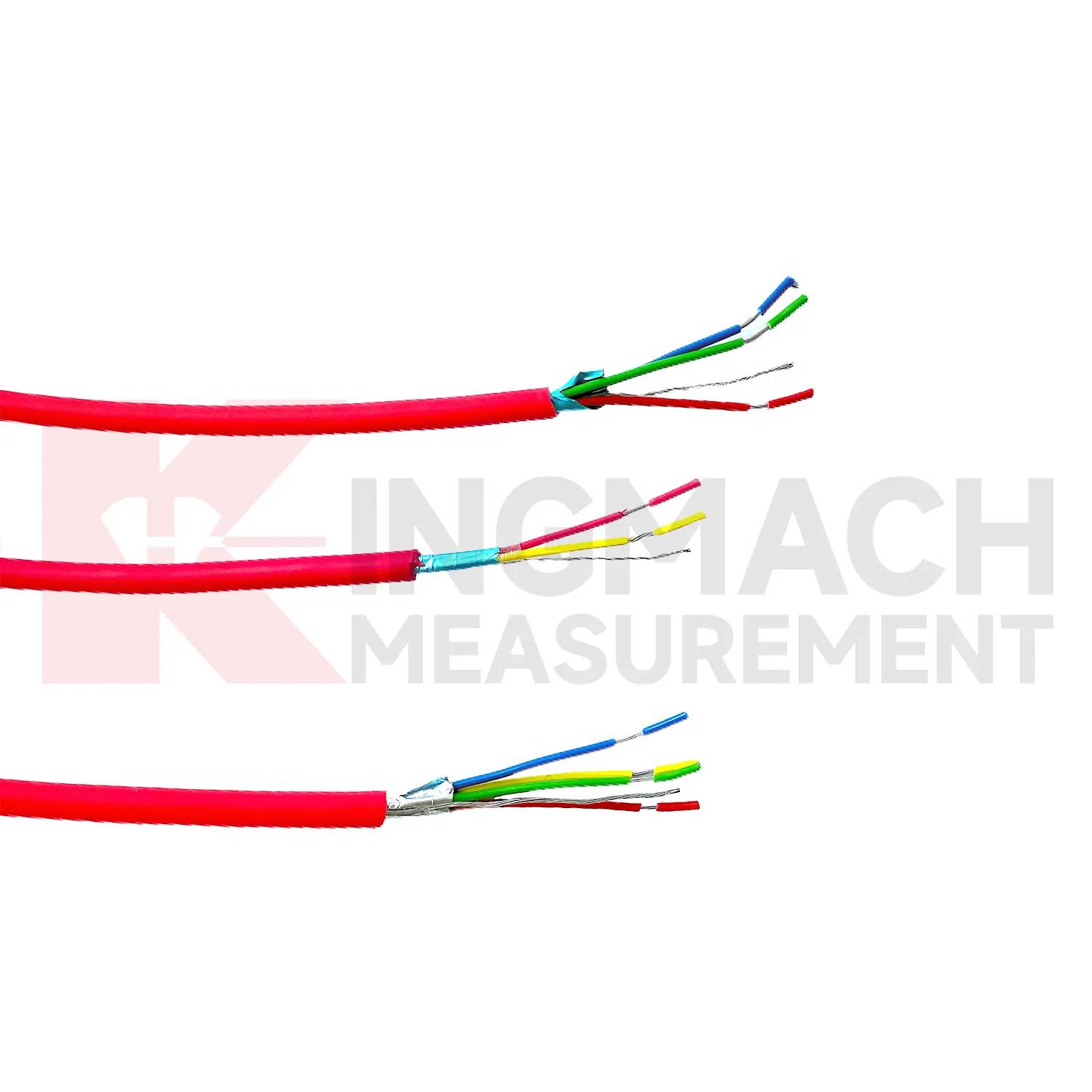
Application of Triplelayer Shielded Test Cable
Monitoring system upgrades use Kingmach Triplelayer Shielded Test Cable when old routes must be replaced, extended, or reorganized without losing traceability. A site may add new sensors, move cabinets, change data loggers, or repair damaged lines after years of service. Multi-core shielded and hydraulic cable options allow engineers to plan new routes around channel count, wet exposure, interference, and maintenance access. During upgrade work, recording old and new cable IDs, core assignments, and first stable readings prevents future reviewers from confusing a wiring change with a structural trend.
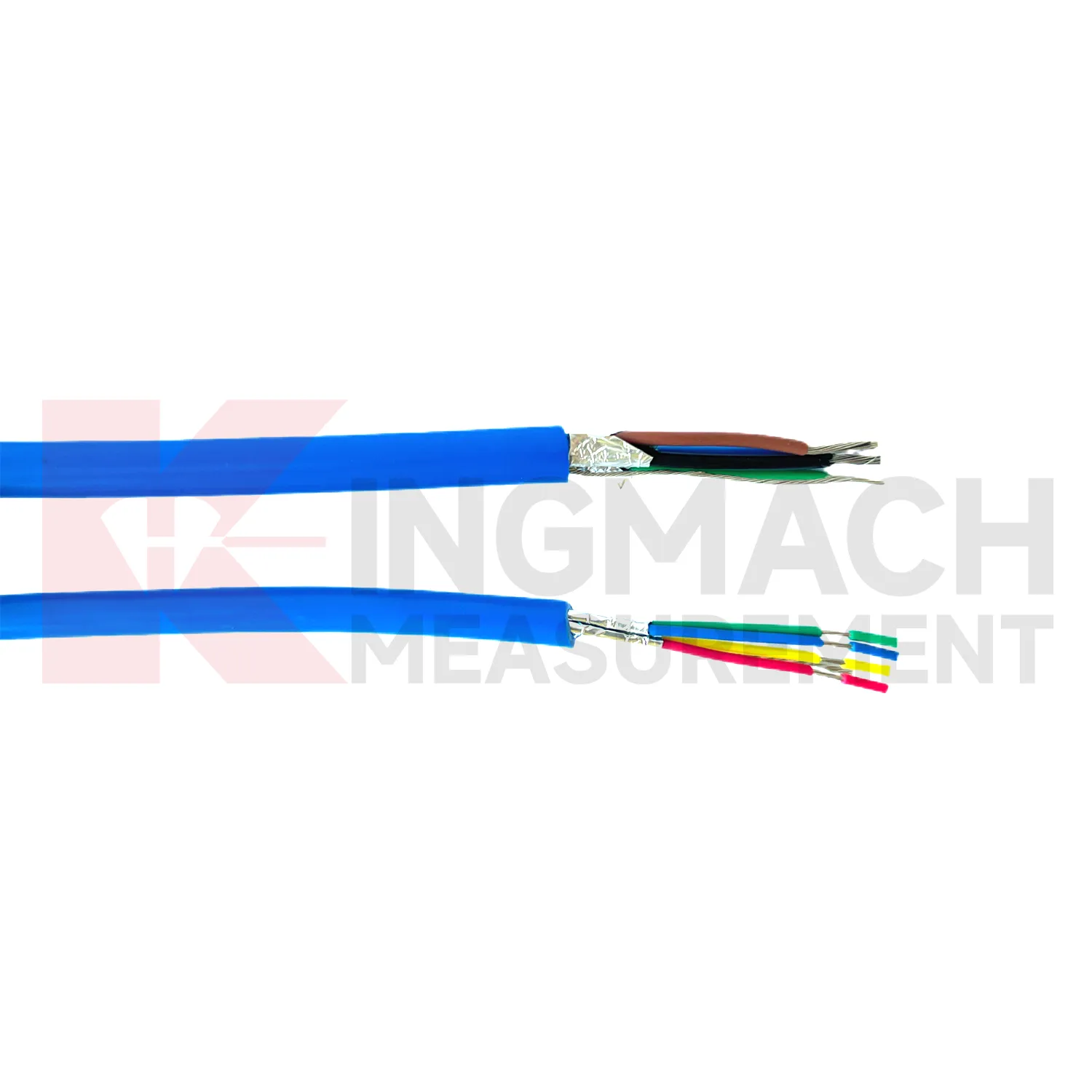
The future of Triplelayer Shielded Test Cable
Longer monitoring cycles will raise expectations for Kingmach Triplelayer Shielded Test Cable. Owners increasingly want instruments to remain in place for years, often through weather, construction phases, inspections, and equipment upgrades. Cables will need to resist water, wear, interference, and handling while remaining easy to identify. Future maintenance plans may include scheduled cable insulation checks, connector sealing reviews, and route photo updates. These actions will help protect data continuity across long asset lifetimes.
Care & Maintenance of Triplelayer Shielded Test Cable
When replacing Kingmach Triplelayer Shielded Test Cable, preserve the traceability of the old and new route. Record cable model, core count, reason for replacement, removed section condition, new termination details, and first stable data after replacement. Do not hide the replacement by forcing the data record to look continuous without notes. Future reviewers need to know whether a change in reading came from the structure, the sensor, the cable, or the maintenance action. Clear replacement records protect both engineering interpretation and owner confidence.
Kingmach Triplelayer Shielded Test Cable
Kingmach Triplelayer Shielded Test Cable also matter during upgrades. Many projects begin with a small number of sensors, then expand when the owner adds new monitoring points or data review requirements. Cable compatibility and route documentation make that expansion easier. If the original cable records show model, core use, spare cores, delivery length, cabinet entry, and channel names, the next team can add or replace instruments with less disruption. Instrumentation cables are therefore part of the life-cycle plan for measurement systems, not only an accessory at installation. Proper cable selection can extend equipment service life and reduce operational failure rates across the whole network.
FAQ
Q: What should be confirmed before placing an order?
A: Confirm project quantity, required core format, expected delivery length, packaging demand, payment terms, and receiving schedule.
Q: What minimum order quantity is shown?
A: The local product pages list a minimum order quantity of one piece.
Q: How is pricing handled?
A: Pricing is listed as negotiable, so the buyer should confirm quantity, model, packaging, and project delivery details with Kingmach.
Q: What delivery term appears in the local files?
A: Shipment is listed within 30 days after full payment receipt, subject to the order and project arrangement.
Q: What certifications are shown?
A: The product information lists ISO9001, ISO14001, and ISO45001 certification for Kingmach.
Reviews
Matthew Garcia
Instrumentation cables are durable and perform well even in harsh environments. Will definitely order again.
Daniel Brown
Excellent environmental monitoring sensors. The data is consistent, and the system integrates smoothly with our existing setup.
Latest Inquiries
To protect the privacy of our buyers, only public service email domains like Gmail, Yahoo, and MSN will be displayed. Additionally, only a limited portion of the inquiry content will be shown.
Olivia***@gmail.comUnited States
Hello, we are currently sourcing high-precision strain gauges and load cells for a bridge monitoring...
Evelyn***@gmail.comSouth Africa
Hi, we are a contractor working on tunnel construction and need settlement sensors and displacement ...
Related product categories
- Singlelayer Shielded Test Cable
- Multicore Shielded Test Cable
- 2core / 4core / 6core / 8core Hydrological Cable
- Corrosionresistant Hydrological Cable
- Shielded Hydrological Cable
- Multicore Hydrological Cable
- Data Transmission Cable
- Automated Equipment Test Cable
- Sensor Shielded Test Cable
- Motor Shielded Test Cable
- Signal Cables
- Test dedicated shielded wire