
 EN
EN
 ar
ar bg
bg hr
hr cs
cs da
da nl
nl fi
fi fr
fr de
de el
el hi
hi it
it ko
ko no
no pl
pl pt
pt ro
ro ru
ru es
es sv
sv tl
tl iw
iw id
id lv
lv lt
lt sr
sr sk
sk sl
sl uk
uk vi
vi et
et hu
hu th
th tr
tr fa
fa ms
ms hy
hy ka
ka ur
ur bn
bn mn
mn ta
ta kk
kk uz
uz ku
ku
Vertical In-Place Inclinometer System
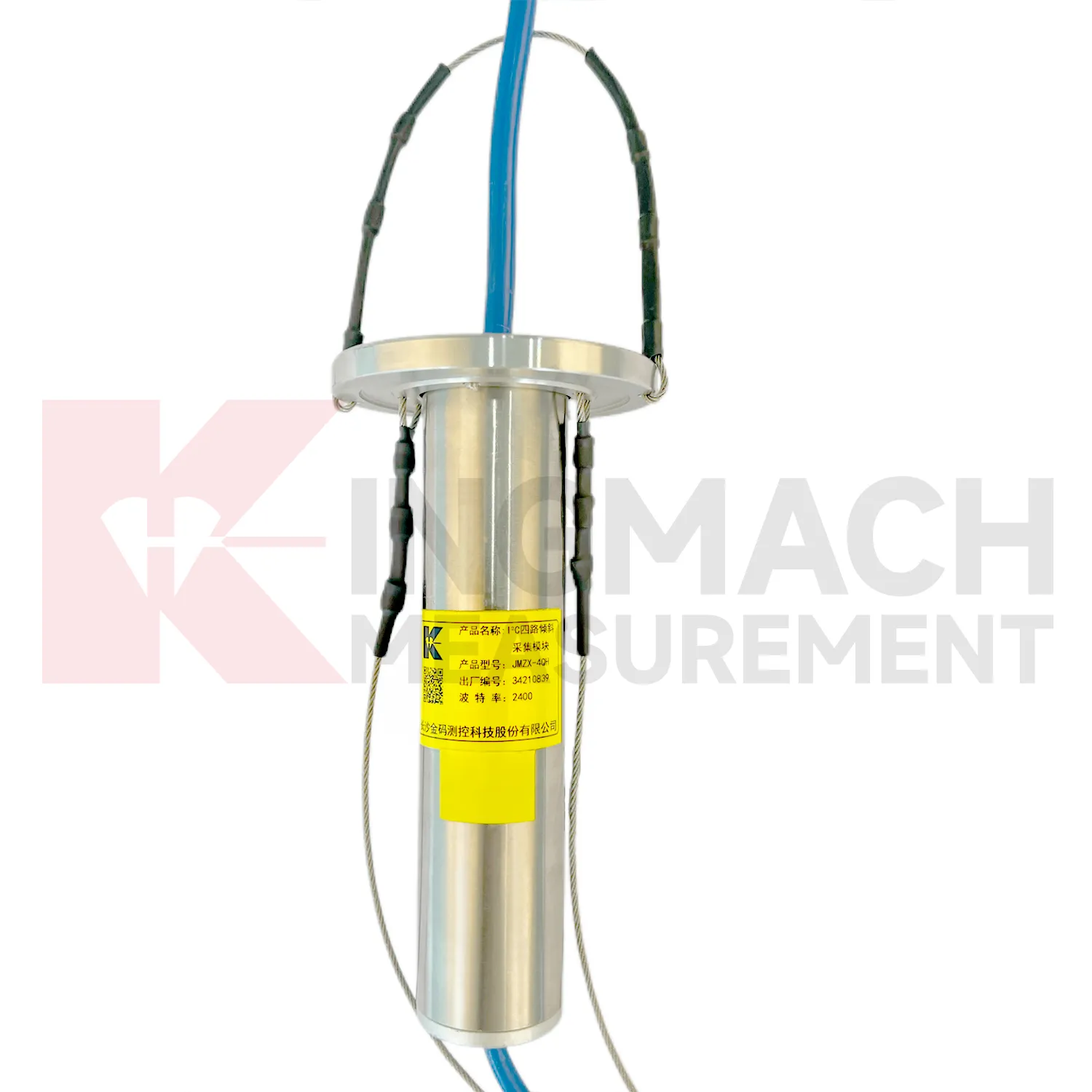
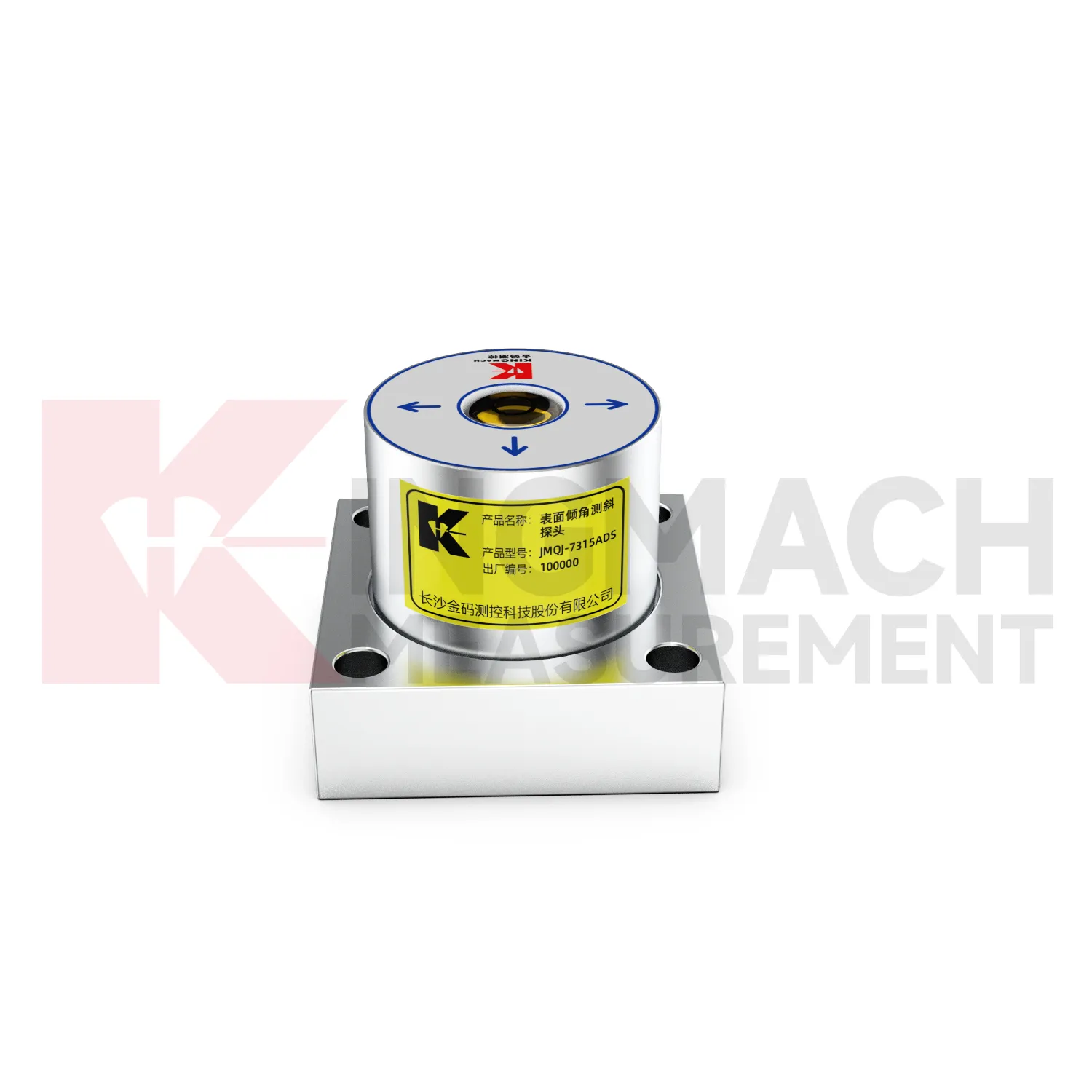
Range and accuracy are central when specifying Kingmach Vertical In-Place Inclinometer System. JMQJ-7315ADS is listed with +/-15 degrees dual-axis range, 0.001 degree resolution, and 0.01 degree accuracy. JMQJ-7315RTU is listed with +/-30 degrees and +/-15 degrees dual-axis options, 0.001 resolution, and +/-0.05%FS accuracy. JMQJ-7915ATS provides dual-axis +/-90 degrees tilt range with 0.001 degree resolution and 0.01 degree accuracy for borehole monitoring. JMZX-7100L also uses a +/-90 degrees sensor range for sliding inclinometer work. These values should be matched to the expected deformation pattern. A bridge bearing seat may need small, stable angular tracking. A borehole in a slope may need a wider tilt range across several depths. A monitoring plan should also define alarm thresholds, data review frequency, temperature context, and comparison instruments.
Application of Vertical In-Place Inclinometer System
Dam and embankment monitoring use Vertical In-Place Inclinometer System to follow angular change and internal deformation under water-level, seepage, consolidation, and seasonal effects. JMZX-7100L is used for horizontal displacement changes inside soil masses in dams and embankment slopes, while JMQJ-7915ATS can support fixed multi-depth monitoring in boreholes. Fixed tilt sensors may also be used on gallery structures, retaining walls, or equipment bases where angular change is important. Readings should be reviewed beside reservoir level, seepage, rainfall, pore pressure, settlement, and inspection notes. The work is long-term, so sensor orientation, borehole position, casing condition, and reference direction must be recorded carefully. A stable tilt or inclinometer record can help distinguish slow consolidation from localized deformation linked to water or structural change.
The future of Vertical In-Place Inclinometer System
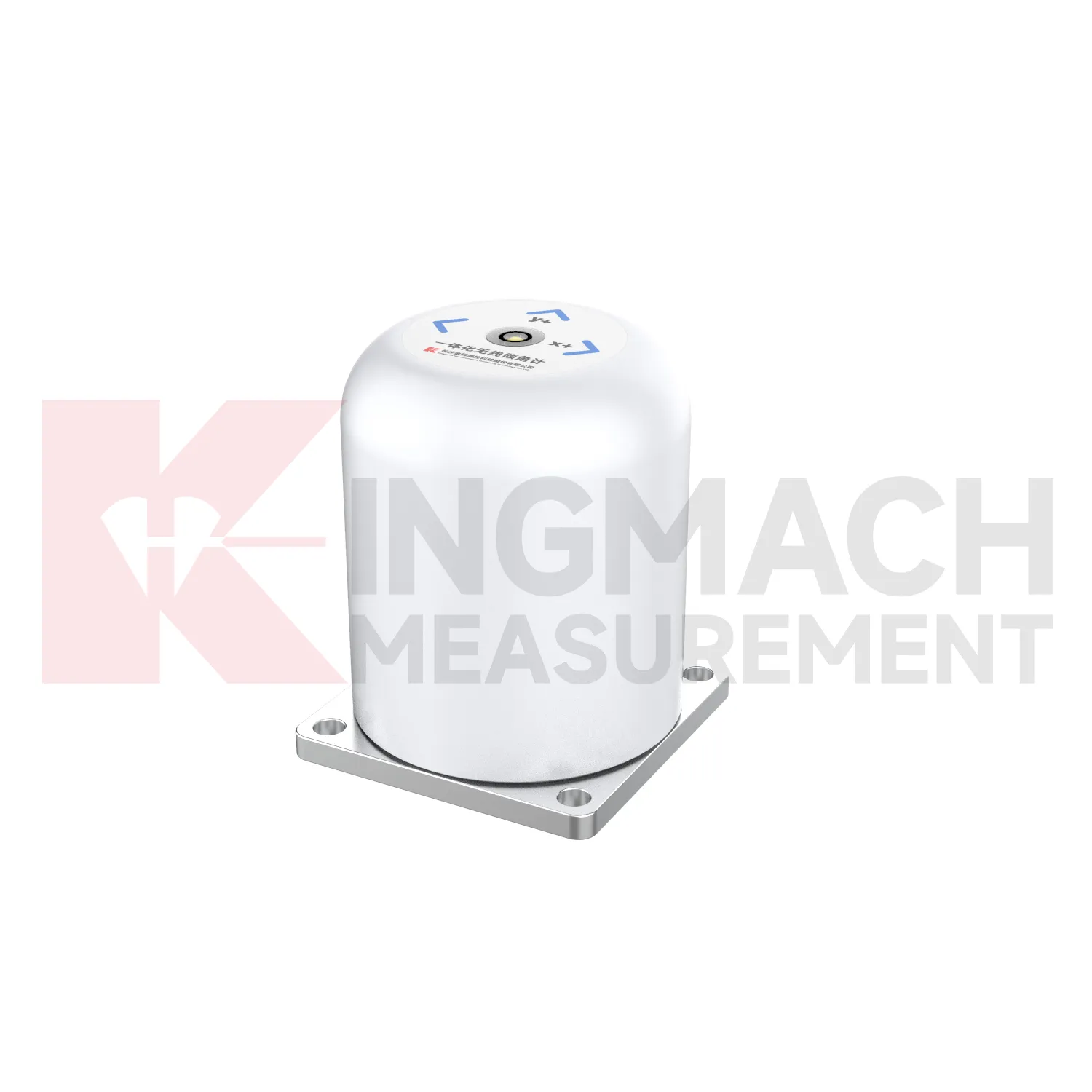
Low-power acquisition will matter more for future Vertical In-Place Inclinometer System in remote or difficult sites. JMQJ-7915ATS includes a low-power mode that powers sensors only during measurement, and JMQJ-7315RTU uses battery-based wireless operation. These features are important for slopes, dams, railways, and temporary construction areas where mains power or frequent access may be limited. Future systems will likely use smarter wake-up intervals, battery health reporting, and power-aware sampling plans. The goal is not to reduce monitoring quality; it is to match energy use to the risk level and deformation speed. A stable slope may need slower readings, while an active excavation or storm period may need denser data. Power planning will become part of measurement planning.
Care & Maintenance of Vertical In-Place Inclinometer System
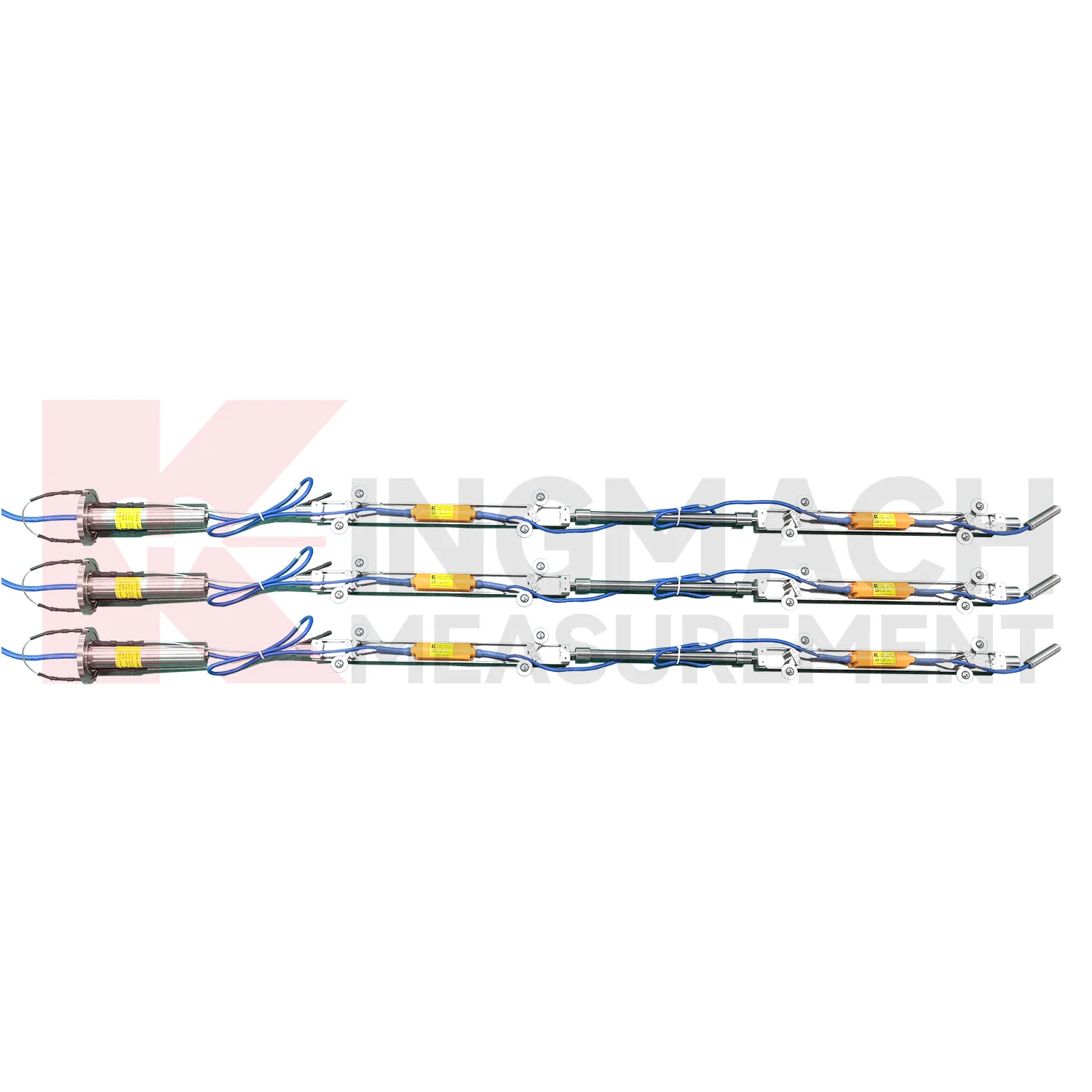
Battery and power checks keep Vertical In-Place Inclinometer System reliable in remote monitoring. JMQJ-7315RTU uses a 3.6V 38AH battery, while other instruments use DC 9V to 24V power or acquisition modules with standby and operating power modes. Maintenance staff should record battery status, power supply voltage, sleep interval, measurement interval, and any power outage. For low-power systems, confirm that sensors wake correctly during scheduled measurement. For wired cabinets, inspect terminals, fuses, grounding, moisture, and cable strain. A low-voltage condition can create missing data or unstable communication before a total failure appears. Power records are especially important for slopes, bridges, railways, and dams where access may be limited after installation.
Kingmach Vertical In-Place Inclinometer System
Kingmach Vertical In-Place Inclinometer System help turn difficult-to-observe deformation into repeatable engineering evidence. Hidden parts of structures are often the hardest to judge: deep soil, buried retaining systems, bridge substructures, railway bases, foundation pit walls, and underground construction zones. Tilt measurement gives engineers a way to see angular change before visible damage becomes obvious. The product category is used in bridges, tunnels, slopes, buildings, foundation pits, geological hazard areas, railways, dams, embankments, port engineering, and other structural scenarios. The monitoring record should connect each sensor to a drawing location, axis label, baseline date, power source, communication path, and related construction activity. Without that context, even a precise angle may be hard to interpret. With it, tilt data can support timely inspection and measured engineering decisions.
FAQ
Q: What is the difference between a fixed tiltmeter and a sliding inclinometer?
A: A fixed tiltmeter monitors one installed point continuously, while a sliding inclinometer is moved through casing to build a deformation profile by depth.Q: What is the difference between JMQJ-7315ADS and JMQJ-7315RTU?
A: JMQJ-7315ADS is a wired RS485 fixed tiltmeter, while JMQJ-7315RTU integrates wireless 4G communication and battery-powered remote monitoring.Q: When should a vertical in-place inclinometer be used?
A: Use it when deep internal deformation needs multi-point automatic monitoring inside a borehole rather than occasional manual profiling.Q: What does the JMZX-4QH module do?
A: It collects measurement data from multi-point vertical in-place inclinometer strings and uploads the data through wired or wireless means.Q: How should tilt alarms be reviewed?
A: Review angle change with rate, direction, nearby instruments, weather, construction activity, and visual inspection before deciding the response.
Reviews
Daniel Brown
Excellent environmental monitoring sensors. The data is consistent, and the system integrates smoothly with our existing setup.
David Wilson
We purchased displacement transducers and settlement sensors, and the quality exceeded our expectations. Easy installation and reliable performance.
Latest Inquiries
To protect the privacy of our buyers, only public service email domains like Gmail, Yahoo, and MSN will be displayed. Additionally, only a limited portion of the inquiry content will be shown.
Harper***@gmail.comIndia
Dear Sir, we are planning to procure a complete monitoring system including strain gauges, tiltmeter...
Mia***@gmail.comNetherlands
Dear team, we are interested in your readouts & data loggers compatible with multiple sensors. Do yo...