
 EN
EN
 ar
ar bg
bg hr
hr cs
cs da
da nl
nl fi
fi fr
fr de
de el
el hi
hi it
it ko
ko no
no pl
pl pt
pt ro
ro ru
ru es
es sv
sv tl
tl iw
iw id
id lv
lv lt
lt sr
sr sk
sk sl
sl uk
uk vi
vi et
et hu
hu th
th tr
tr fa
fa ms
ms hy
hy ka
ka ur
ur bn
bn mn
mn ta
ta kk
kk uz
uz ku
ku
ground vibration sensor
Dynamic acquisition is the part that makes Kingmach ground vibration sensor useful after installation. A short event can be missed if the recording plan is wrong. A long quiet period can hide a trend if the review interval is weak. The monitoring team should define whether the project needs continuous recording, triggered capture, periodic testing, or manual event review. Bridges, tunnels, blasting zones, machinery rooms, and seismic stations all have different rhythms. A clear acquisition plan protects the value of the sensor by making sure the important motion is actually stored, named, and available for analysis. The plan should also define who checks missing records, how alarms are reviewed, and which related channels are opened during an abnormal event. Without that process, even accurate dynamic data may be hard to use.
If the reading changes suddenly, the first check should include the sensor attachment, cable route, connector, channel name, and recent field activity. This prevents a maintenance issue from being mistaken for structural behavior.
Long-term monitoring benefits from repeatable procedure. When the same point, direction, event definition, and analysis method are preserved, new vibration records can be compared with earlier records in a defensible way.
The report should not leave the waveform isolated. It should explain what the asset was doing, why the point was measured, which event triggered interest, and what follow-up action or observation was made.
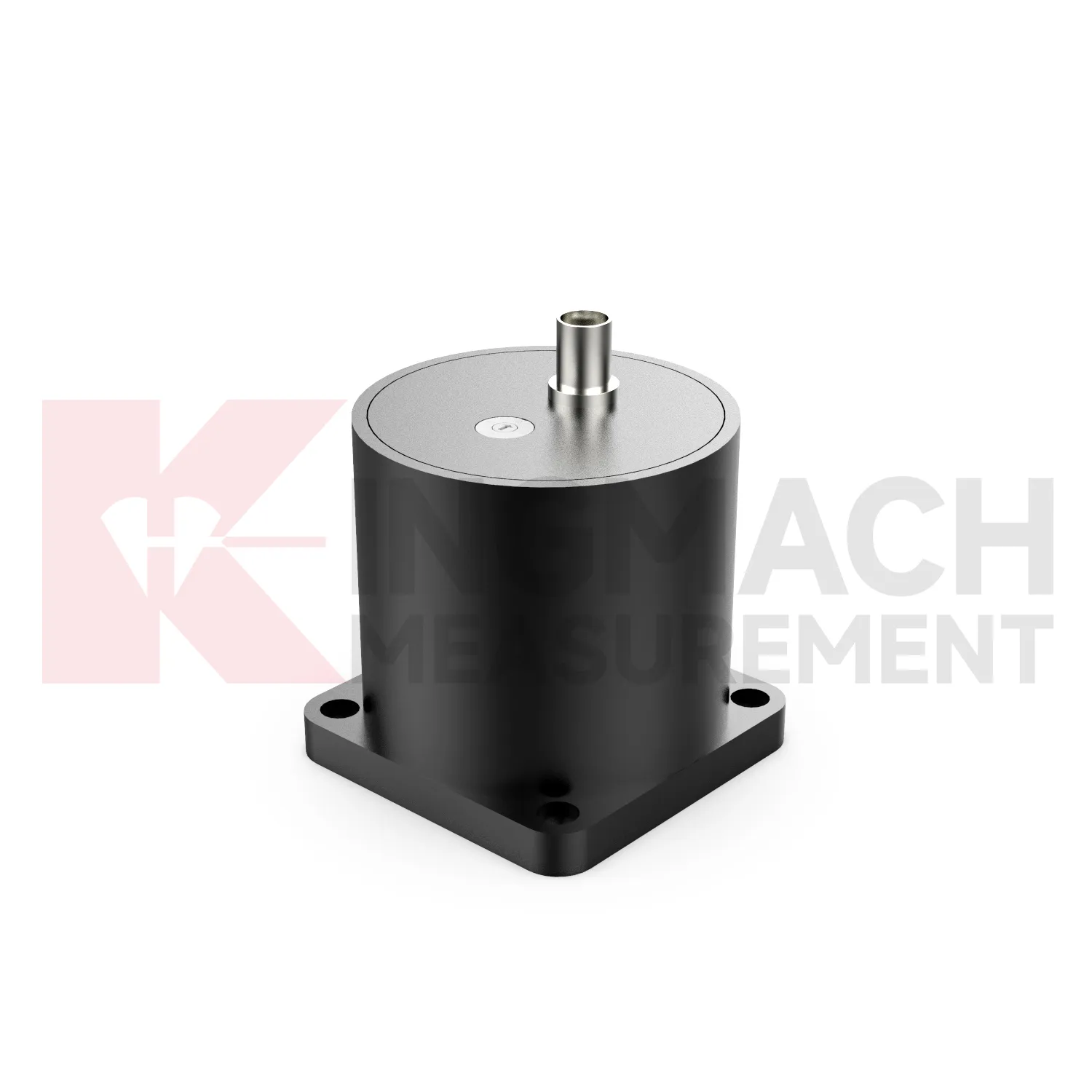
Application of ground vibration sensor
Building vibration monitoring uses Kingmach ground vibration sensor when occupants, equipment, nearby construction, traffic, or structural flexibility create motion that needs a measured record. The task may involve a floor, column, machine base, roof structure, or adjacent building. Acceleration data helps determine whether the motion is occasional, continuous, low-frequency, impact-related, or tied to a specific operating condition. A useful building record includes sensor location, mounting method, axis direction, activity during measurement, and related crack or settlement observations. This makes the result understandable to engineers, owners, and maintenance teams. It also helps separate comfort concerns from structural concerns. A floor that vibrates during machine operation may need a different response from a wall that moves during excavation nearby.
In occupied buildings, the review should connect measured motion with time of day, equipment schedules, tenant reports, nearby road activity, and any construction work. This human and operational context helps explain why a vibration is noticed, when it occurs, and whether it repeats under the same conditions.
The field team should also keep the point discreet but verifiable. A sensor hidden from accidental contact still needs a clear photo, point name, and axis record. That balance protects the device while giving engineers enough information to compare future measurements.

The future of ground vibration sensor
The future of Kingmach ground vibration sensor will include stronger quality checks on dynamic data. Flatlines, clipping, loose mounting, channel swaps, cable noise, and wrong axis labels can all weaken a record. Automated review can flag suspicious patterns before engineers spend time interpreting bad data. This is especially useful in large monitoring networks with many points. Quality checks do not replace field inspection, but they help decide where inspection is needed. Clean data is the foundation of useful dynamic analysis. A reliable warning system must know the difference between real motion and a measurement path that has gone wrong.
Future quality tools should look at behavior patterns, not only missing data. A trace that repeats the same shape at the wrong time, loses high-frequency detail, or disagrees with nearby points may reveal mounting or acquisition trouble before a complete failure occurs.
These checks will make large dynamic networks easier to operate. Engineers can focus on events that deserve interpretation, while maintenance teams receive clearer signals about which point, cable, setting, or field condition needs attention.
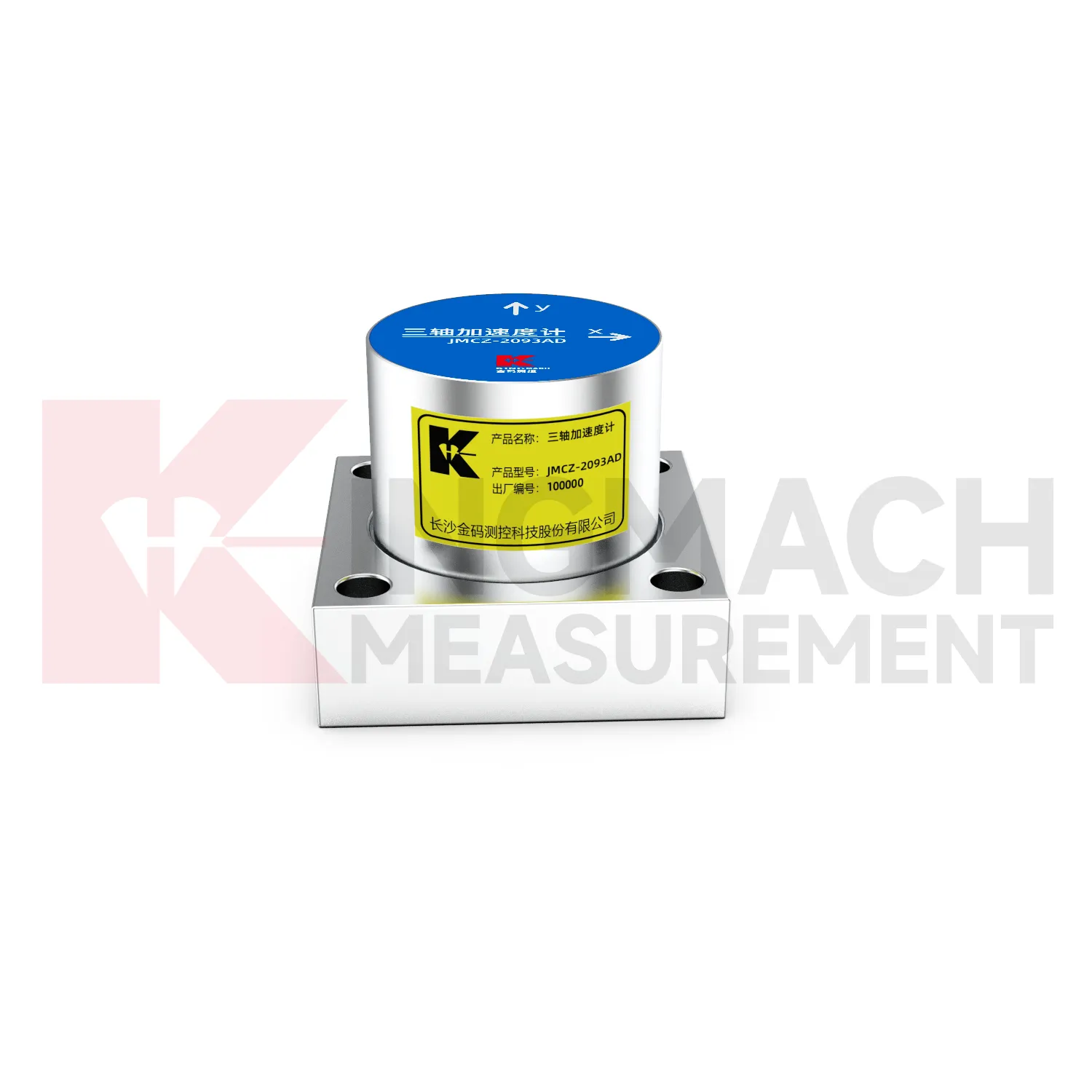
Care & Maintenance of ground vibration sensor
Axis control keeps Kingmach ground vibration sensor records understandable. A sensor may be installed vertically, longitudinally, laterally, or in three directions depending on the monitoring task. If the axis direction is not written down, later reviewers may not know what the waveform represents. Mark the direction on drawings, photographs, and channel names. If a sensor is removed and reinstalled, confirm the direction again. Axis mistakes can create years of confusing data, especially on bridges, towers, tunnels, and machinery foundations. A simple label at installation can prevent serious interpretation problems later.
Dynamic data can be sensitive to small field changes. A new bracket, nearby machine, temporary work platform, changed cable route, or software update can alter the record, so those changes belong in the maintenance history.
For owner handover, the file should include point photos, axis labels, acquisition settings, related structural channels, and examples of normal behavior. That helps future reviewers understand whether a later event is unusual.
Kingmach ground vibration sensor
Kingmach ground vibration sensor are useful because dynamic behavior often appears before visible damage. A bridge cable may change vibration frequency, a building floor may respond to nearby machinery, a tunnel structure may react to blasting, and a flexible structure may move slowly but with large amplitude. Static instruments can show position or strain, but acceleration records show motion. When time history, frequency, and event context are kept together, engineers can compare normal operation with abnormal response. The data becomes stronger when linked with displacement, tilt, load, strain, settlement, wind, temperature, and inspection notes. This wider view helps teams avoid treating every vibration as a fault while still noticing changes that deserve a field check.
If the reading changes suddenly, the first check should include the sensor attachment, cable route, connector, channel name, and recent field activity. This prevents a maintenance issue from being mistaken for structural behavior.
Long-term monitoring benefits from repeatable procedure. When the same point, direction, event definition, and analysis method are preserved, new vibration records can be compared with earlier records in a defensible way.
FAQ
Q: What is event-based vibration monitoring?
A: It records motion during traffic, wind, blasting, impact, machine operation, earthquake activity, or other defined events.
Q: What makes a useful event record?
A: A useful record includes time, sensor location, axis direction, event type, nearby site condition, and related sensor behavior.
Q: How are building vibration records interpreted?
A: They are checked against equipment operation, traffic, construction work, occupancy notes, and structural observations.
Q: How are bridge vibration records interpreted?
A: They may be compared with cable behavior, traffic, wind, strain, displacement, and inspection results.
Q: What causes misleading vibration readings?
A: Loose mounting, cable noise, wrong channel names, poor grounding, local equipment, or missing event notes can mislead reviewers.
Long-term monitoring benefits from repeatable procedure. When the same point, direction, event definition, and analysis method are preserved, new vibration records can be compared with earlier records in a defensible way.
The report should not leave the waveform isolated. It should explain what the asset was doing, why the point was measured, which event triggered interest, and what follow-up action or observation was made.
Reviews
Joshua Clark
We ordered a full monitoring solution including sensors and data loggers. Everything works seamlessly together. Great supplier!
Andrew Lee
The visualization software is intuitive and powerful. It helps us analyze monitoring data efficiently.
Latest Inquiries
To protect the privacy of our buyers, only public service email domains like Gmail, Yahoo, and MSN will be displayed. Additionally, only a limited portion of the inquiry content will be shown.
Mia***@gmail.comNetherlands
Dear team, we are interested in your readouts & data loggers compatible with multiple sensors. Do yo...
Harper***@gmail.comIndia
Dear Sir, we are planning to procure a complete monitoring system including strain gauges, tiltmeter...