
 EN
EN
 ar
ar bg
bg hr
hr cs
cs da
da nl
nl fi
fi fr
fr de
de el
el hi
hi it
it ko
ko no
no pl
pl pt
pt ro
ro ru
ru es
es sv
sv tl
tl iw
iw id
id lv
lv lt
lt sr
sr sk
sk sl
sl uk
uk vi
vi et
et hu
hu th
th tr
tr fa
fa ms
ms hy
hy ka
ka ur
ur bn
bn mn
mn ta
ta kk
kk uz
uz ku
ku
wireless tiltmeter
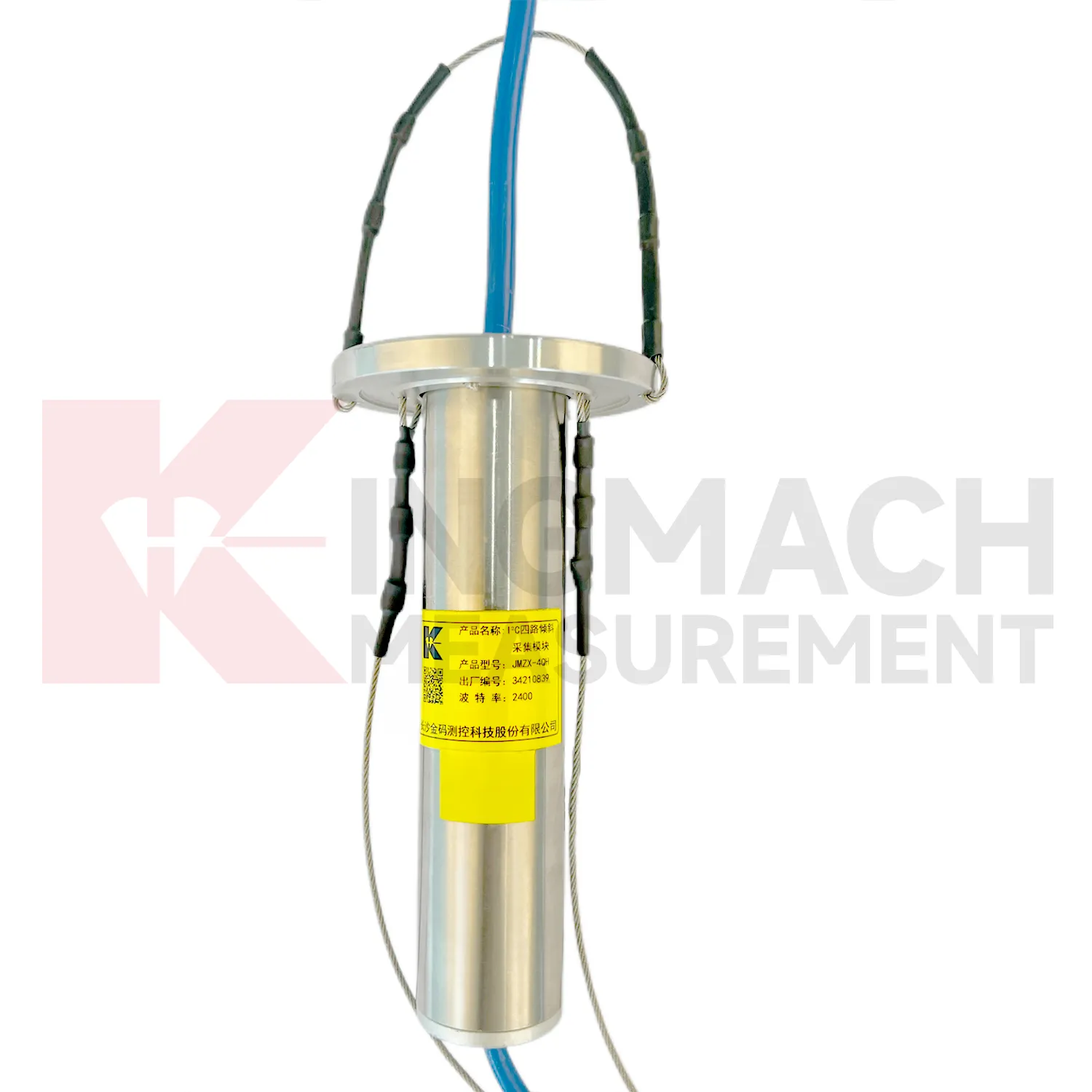
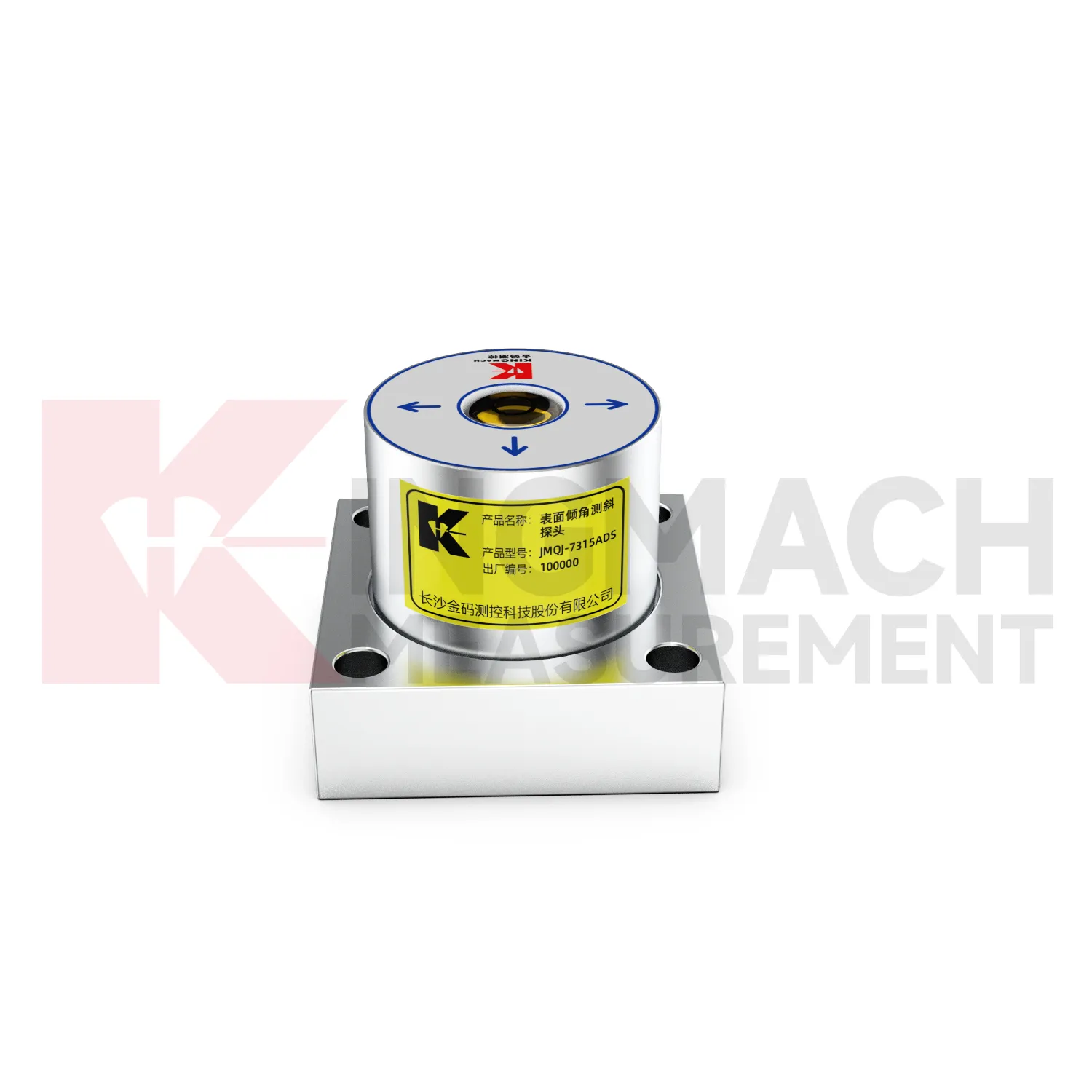
Kingmach wireless tiltmeter use different communication paths for different field needs. JMQJ-7315ADS uses RS485 digital output and works well in wired automated systems. JMQJ-7315RTU uses wireless 4G digital output and is better suited to sites where cables are difficult to run or where remote unattended measurement is expected. JMZX-7100L uses Bluetooth for mobile field reading and can store large amounts of inclinometer data for later analysis. JMQJ-7915ATS and JMZX-4QH support downhole multi-point data collection through grouped communication and acquisition modules. Communication planning should define cable route, antenna position, cabinet protection, baud rate, channel address, sampling interval, power mode, and fallback manual check method. The communication method is part of measurement quality because lost data, wrong channel names, or unstable power can confuse the tilt trend.
Application of wireless tiltmeter
Tunnel projects use wireless tiltmeter to observe lining deformation, invert response, station box movement, shaft walls, and surrounding ground behavior. Fixed tiltmeters can be installed on structural surfaces, while in-place inclinometer systems can measure internal movement near excavation zones or adjacent slopes. JMQJ-7315ADS has IP68 protection and RS485 output, making it suitable for wet underground environments when the cable route and cabinet are protected. JMQJ-7315RTU may be useful where wireless transmission is practical. Data review should include excavation stage, support closure, groundwater, vibration, train operation, displacement readings, and crack records. The installation file should show chainage, ring number, side, axis direction, and photographs because many tunnel points look similar after construction finishes.
The future of wireless tiltmeter
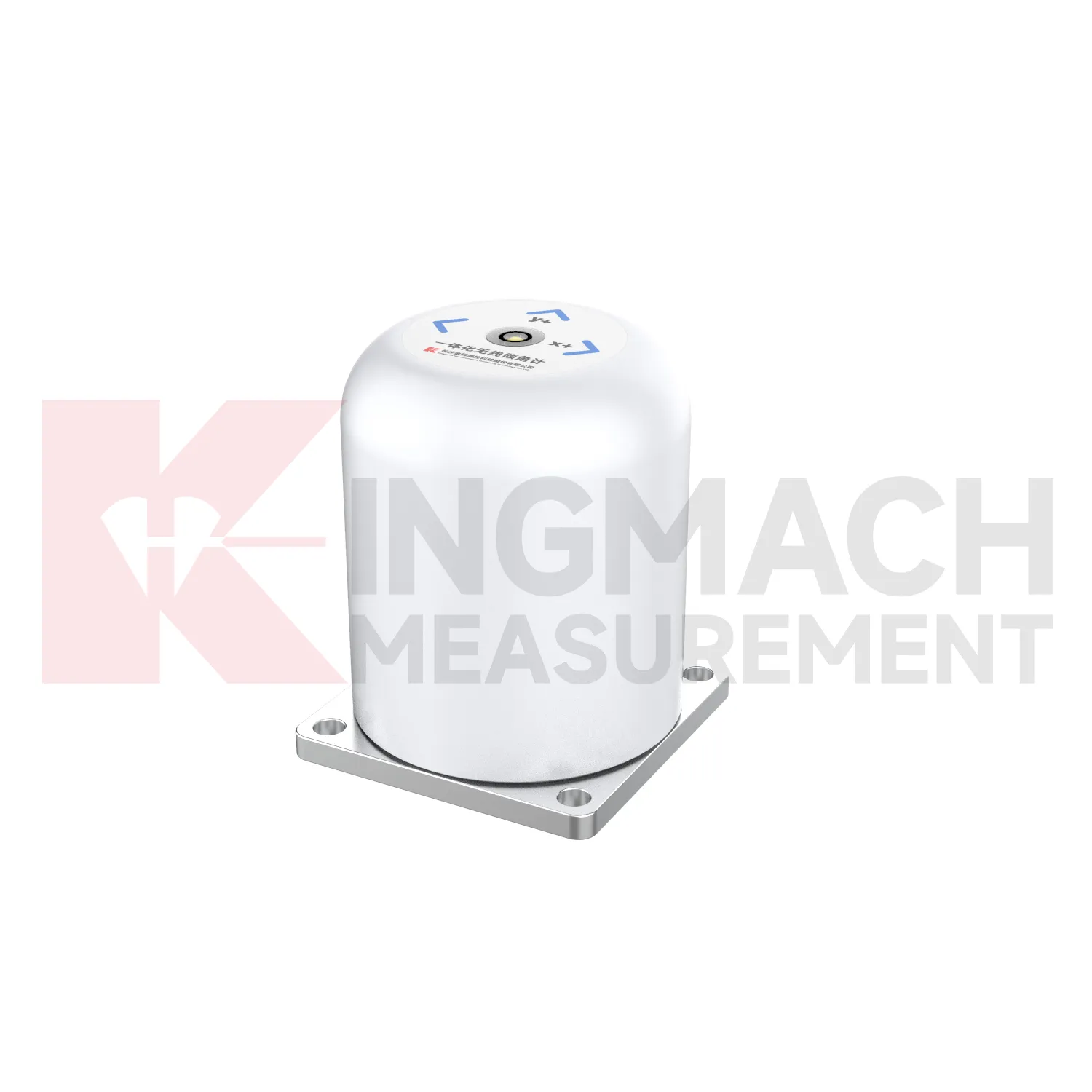
Wireless monitoring will play a larger role in future wireless tiltmeter projects. JMQJ-7315RTU already combines MEMS tilt sensing with 4G digital output and battery power, which helps when cable routes are long, exposed, or disruptive. Future projects will likely use wireless tilt points on bridges, buildings, slopes, towers, and temporary construction structures where fast deployment matters. Wireless work still needs disciplined planning: antenna location, sampling interval, battery status, data upload timing, and fallback field checks must be defined. The best wireless tilt record will not simply send more data; it will send the right data with enough context for engineers to understand what changed, when it changed, and whether the site needs inspection.
Care & Maintenance of wireless tiltmeter
Replacement of wireless tiltmeter should preserve measurement continuity. When changing a fixed tiltmeter, integrated wireless unit, in-place string component, acquisition module, or sliding inclinometer accessory, record model, serial number, range, old reading, new reading, reason, date, technician, and any change to axis direction or channel name. Do not hide the replacement by forcing the new curve to look continuous without explanation. If a borehole string is reconfigured, update depth mapping and group communication records. If a wireless unit is replaced, check battery, antenna, and upload timing. A clear replacement record lets future engineers understand the curve and prevents maintenance work from being mistaken for structural deformation.
Kingmach wireless tiltmeter
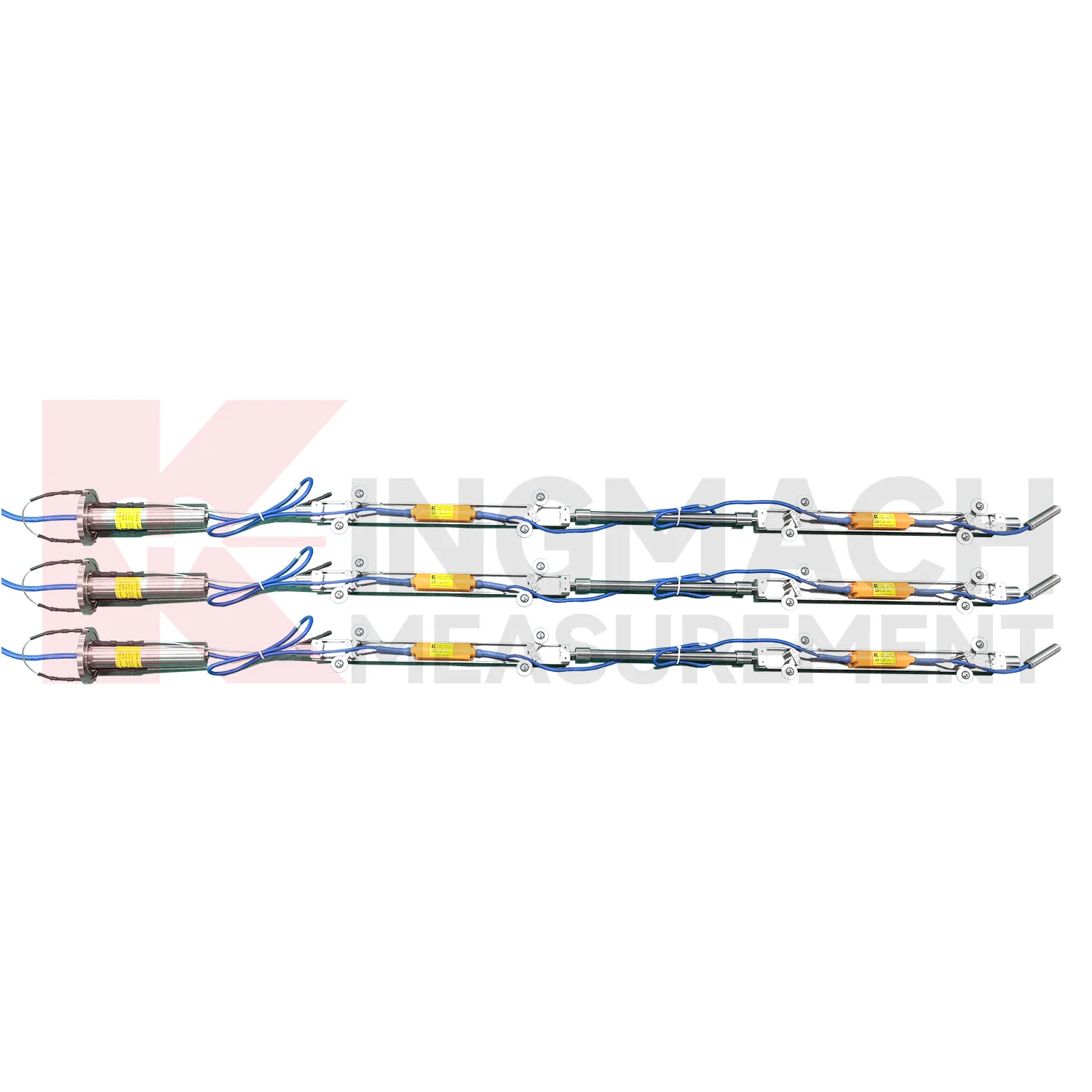
Kingmach wireless tiltmeter support both surface structural tilt monitoring and deep internal deformation monitoring. Surface tilt instruments measure the angular change of buildings, bridges, railways, towers, walls, and equipment bases relative to the horizontal plane. Deep inclinometer systems, by contrast, follow angle changes inside soil or structural bodies through a borehole. The JMQJ-7915ATS vertical in-place inclinometer system uses a multi-array MEMS design, universal joints, connecting rods, and an orifice acquisition module to collect multi-point readings. This gives engineers a depth profile rather than one surface reading. That distinction is important in slopes, dams, embankments, foundation pits, and underground works. A surface point may remain calm while a deeper layer starts moving. Using the right tilt method makes the deformation pattern easier to locate.
FAQ
Q: What is the difference between a fixed tiltmeter and a sliding inclinometer?
A: A fixed tiltmeter monitors one installed point continuously, while a sliding inclinometer is moved through casing to build a deformation profile by depth.Q: What is the difference between JMQJ-7315ADS and JMQJ-7315RTU?
A: JMQJ-7315ADS is a wired RS485 fixed tiltmeter, while JMQJ-7315RTU integrates wireless 4G communication and battery-powered remote monitoring.Q: When should a vertical in-place inclinometer be used?
A: Use it when deep internal deformation needs multi-point automatic monitoring inside a borehole rather than occasional manual profiling.Q: What does the JMZX-4QH module do?
A: It collects measurement data from multi-point vertical in-place inclinometer strings and uploads the data through wired or wireless means.Q: How should tilt alarms be reviewed?
A: Review angle change with rate, direction, nearby instruments, weather, construction activity, and visual inspection before deciding the response.
Reviews
Robert Taylor
The weir flow meter is well-built and delivers accurate measurements. Great value for water management applications.
James Thompson
The tiltmeters and accelerometers are very sensitive and provide precise data. Perfect for our structural health monitoring system.
Latest Inquiries
To protect the privacy of our buyers, only public service email domains like Gmail, Yahoo, and MSN will be displayed. Additionally, only a limited portion of the inquiry content will be shown.
Emma***@gmail.comCanada
Dear Sir/Madam, we are interested in displacement transducers and settlement sensors for a geotechni...
Mia***@gmail.comNetherlands
Dear team, we are interested in your readouts & data loggers compatible with multiple sensors. Do yo...