
 EN
EN
 ar
ar bg
bg hr
hr cs
cs da
da nl
nl fi
fi fr
fr de
de el
el hi
hi it
it ko
ko no
no pl
pl pt
pt ro
ro ru
ru es
es sv
sv tl
tl iw
iw id
id lv
lv lt
lt sr
sr sk
sk sl
sl uk
uk vi
vi et
et hu
hu th
th tr
tr fa
fa ms
ms hy
hy ka
ka ur
ur bn
bn mn
mn ta
ta kk
kk uz
uz ku
ku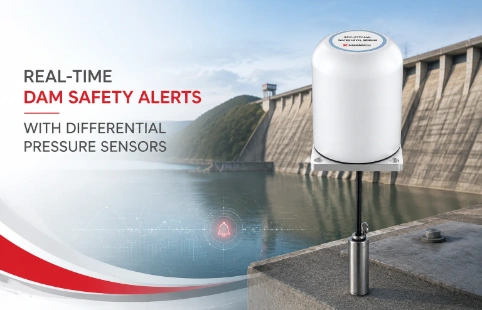
Real-Time Dam Safety Alerts with Differential Pressure Water Level Sensors
Key Takeaways An alert chain needs more than a sensor: define field in...

Smart Vibrating Wire Strain Gauge (Surface Model)
When a retaining wall starts to tilt or a bridge girder shows unexpected flex, engineers need data they can trust. A surface-mounted vibrating wire strain gauge offers one way to capture that data—directly from the structure’s surface. At Kingmach, we manufacture a smart vibrating wire strain gauge (surface model) that balances ease of installation with long-term measurement stability. The gauge includes an internal thermistor for temperature correction, so you’re not guessing about thermal effects. It’s designed to survive weather extremes, from freeze-thaw cycles to tropical humidity. We’ve supplied these gauges to monitoring projects worldwide, often customizing cable lengths or mounting brackets to suit the job. Whether it’s for a dam, a high-rise, or a historic masonry arch, the aim is the same: consistent, low-drift strain readings that help you make timely decisions.
Technical Detail
The smart vibrating wire strain gauge (surface model) from Kingmach is built for direct attachment to concrete, steel, or other structural materials. It operates on the proven vibrating wire principle: a tensioned steel wire inside the gauge changes frequency as the gauge body deforms with the structure. This frequency output is inherently resistant to electrical noise and cable-length effects, which is why many long-term monitoring projects prefer VW sensors over electrical resistance types. Each gauge comes with a built-in NTC thermistor, allowing you to monitor temperature variations and compensate strain readings accordingly. The surface mounting design uses anchor lugs or spot-welded brackets—no need to embed the sensor inside fresh concrete. That makes it practical for existing structures, or in situations where embedding isn’t possible. Kingmach produces these gauges in-house, with quality checks at every stage. We offer standard ranges (typically up to 3000 microstrain) but can adjust the range and sensitivity for specific jobs. The sensor body is stainless steel, sealed against moisture, and suitable for direct burial or submersion with proper cable termination. We also supply compatible dataloggers, multiplexers, and the software to manage readings—so you get a complete system, not just a sensor. Our customers often ask about long-term drift. Like any high-quality VW gauge, if installed correctly and protected from physical damage, drift rates are low—often a few microstrain per year. The key is proper initial tensioning and a well-sealed cable splice. Technical support is part of the package. Our engineers can help with installation planning, recommend the right adhesive or grout, and assist with data interpretation if needed. And because we maintain distribution partners in several regions, support and spare parts are usually available locally. In short, when your project demands reliable surface strain monitoring, Kingmach delivers a sensor that’s straightforward to install, compatible with standard readout units, and backed by people who understand geotechnical instrumentation.
News
Key Takeaways An alert chain needs more than a sensor: define field in...
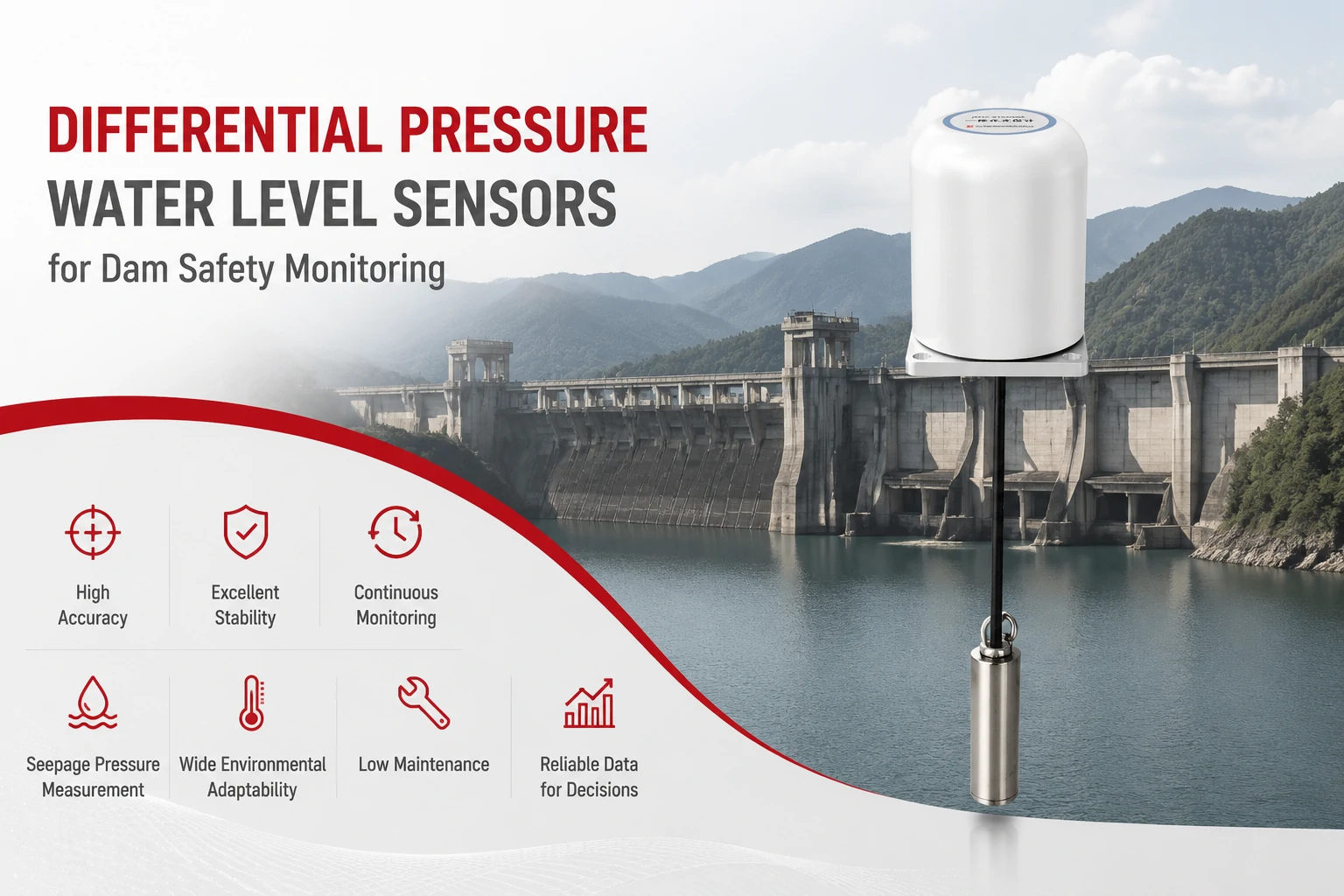
Key Takeaways The strongest fit is usually a confined, submerged, or s...
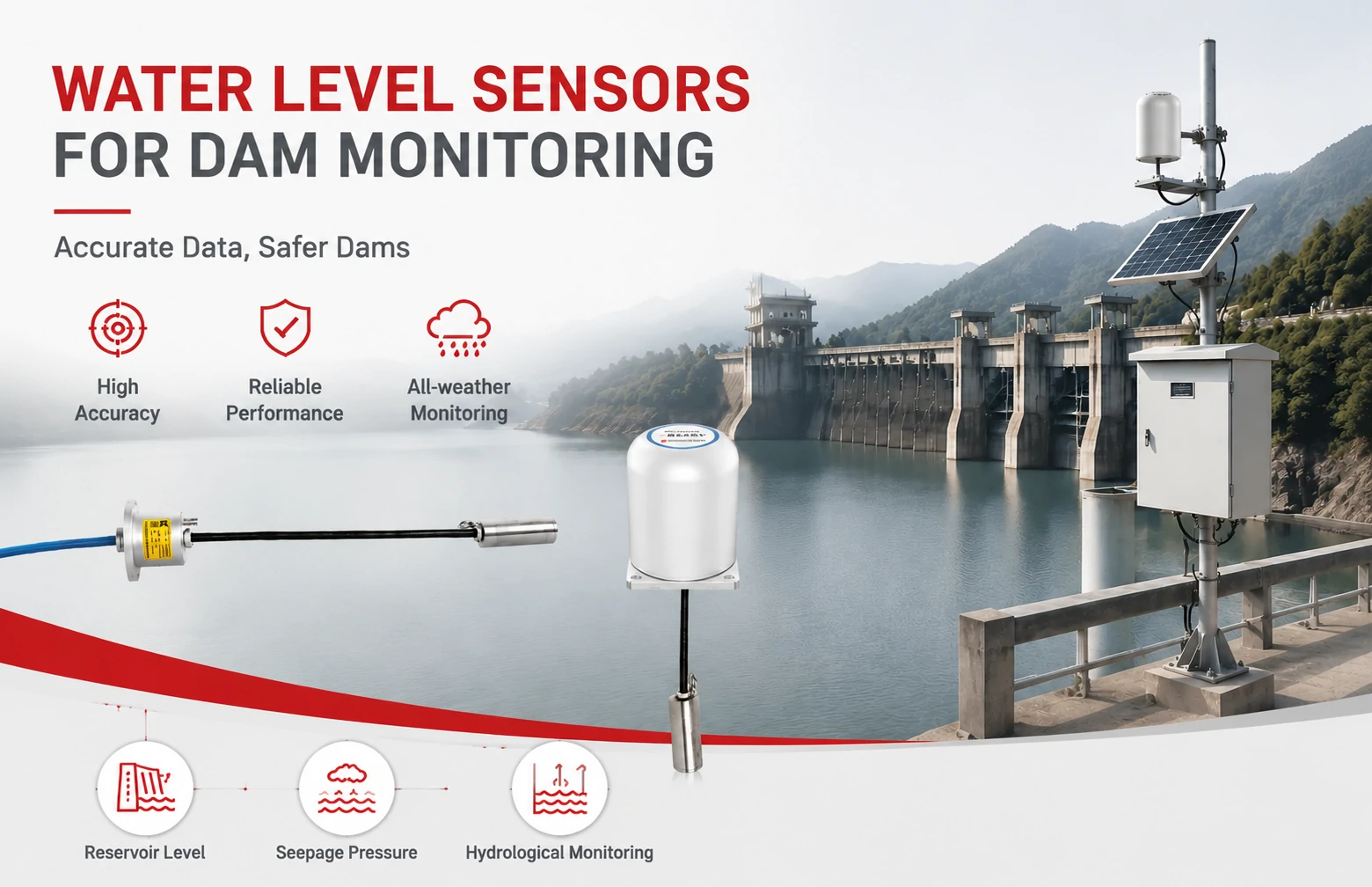
Kingmach Water Level Sensors for Dam Monitoring: A Buyer's Guide to Differential Pre...
Products
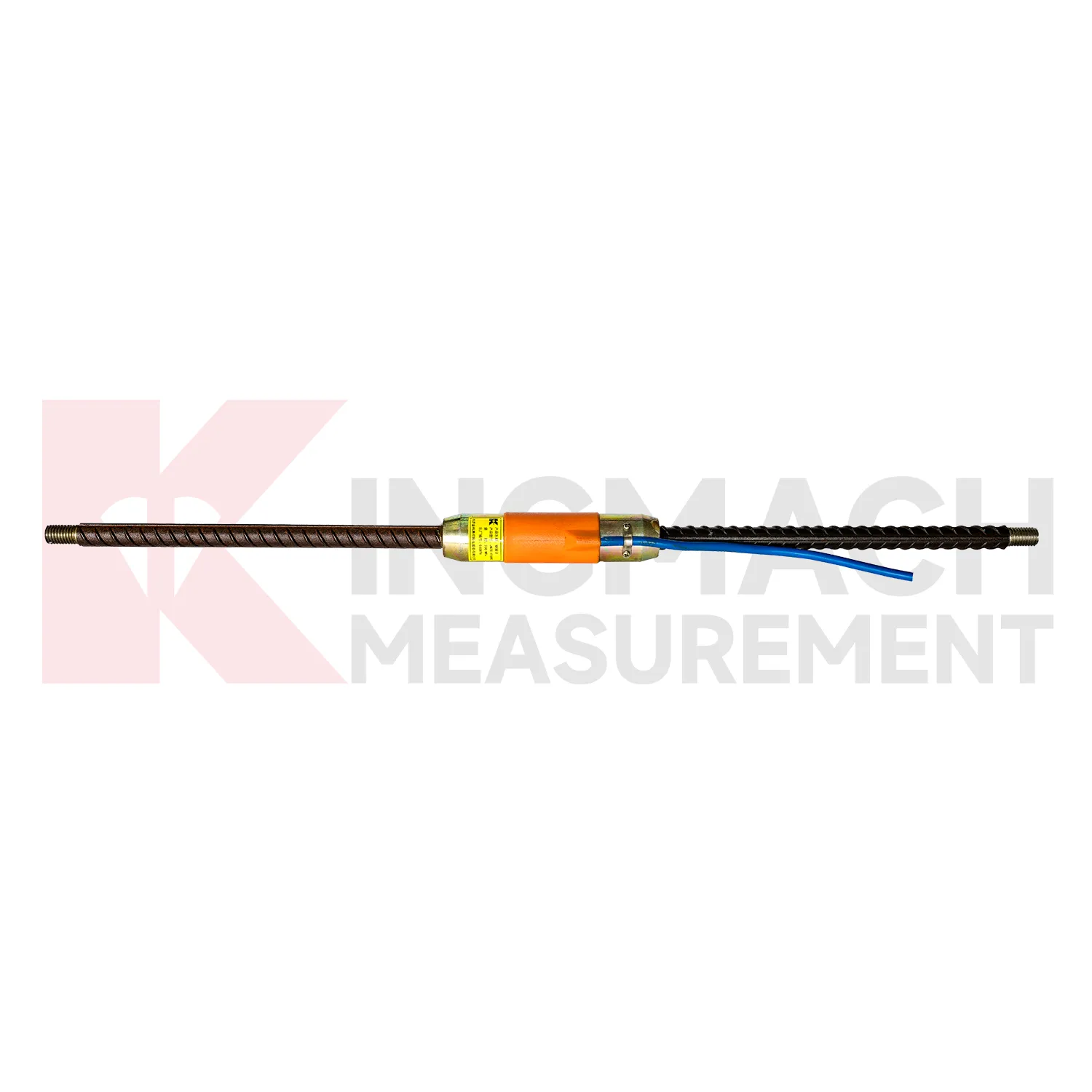
Rebar Strainmeters ( VW & Smart Type) JMZX-4XXHAT/HB
View Details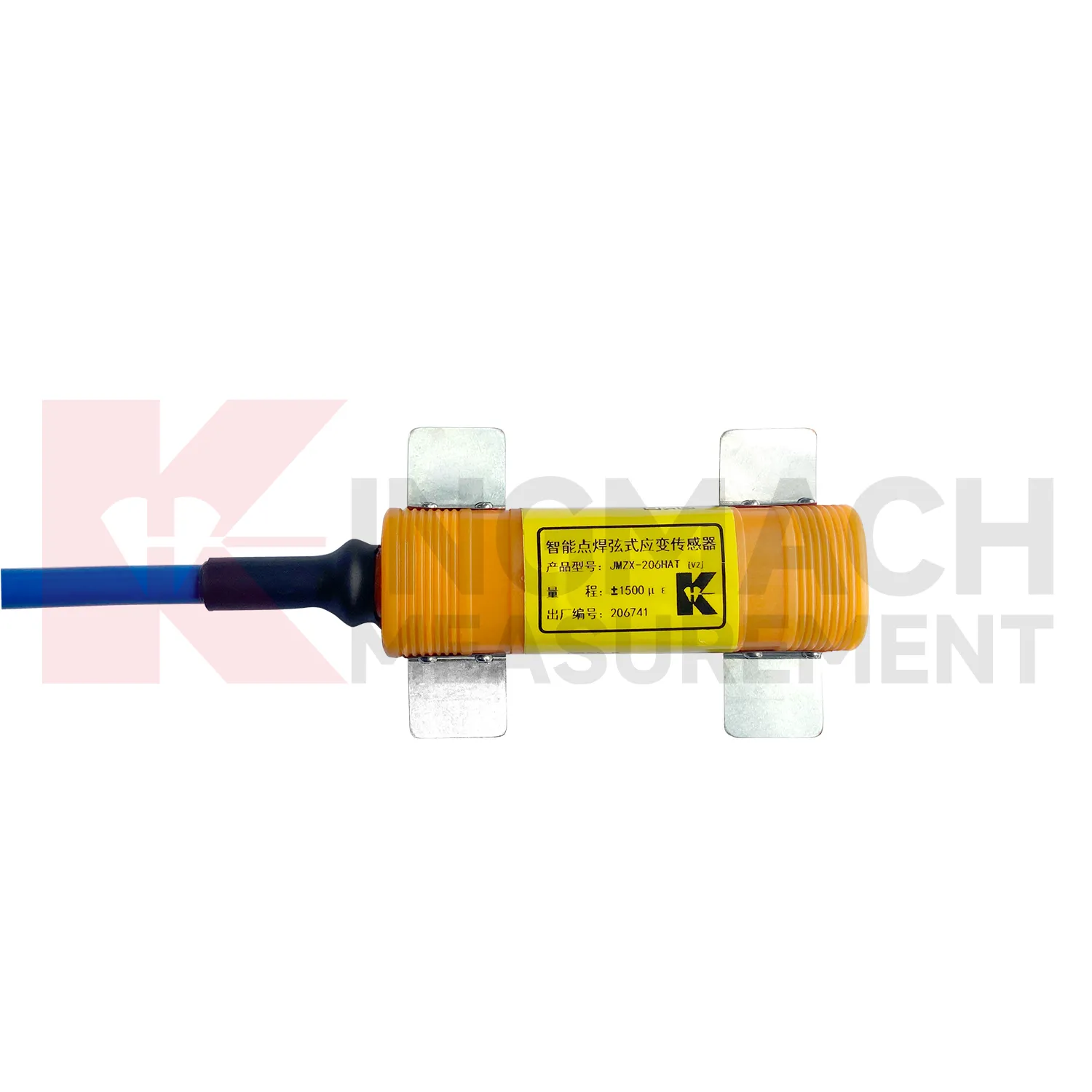
Smart vibrating wire strain gauge (surface welded model) JMZX-206HAT
View Details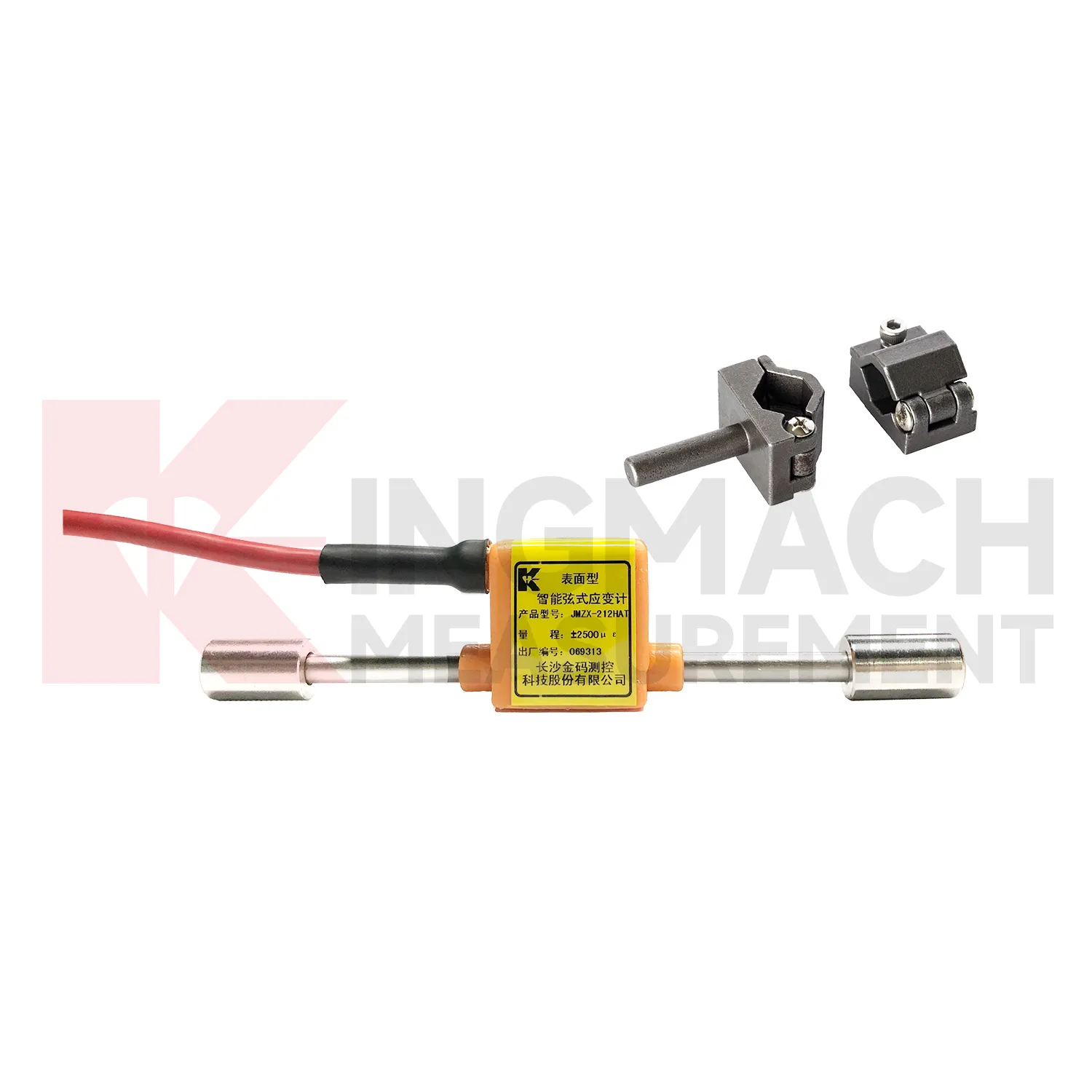
Smart vibrating wire strain gauge (surface model) JMZX-212HAT/HB
View DetailsFAQ
A surface model is bolted or welded onto the outside of a structure, while an embedment gauge is cast inside concrete. Surface gauges are great for retrofits and exposed steel; embedment types measure internal strains. Both use the same vibrating wire technology, but mounting method determines which one you choose.
Yes, you can use a cold-bonding method with high-strength epoxy, as long as the surface is prepared properly. Welding is an option if you need fast installation and minimal downtime, but epoxy bonding works well when welding isn't permitted or practical.
The gauge includes a thermistor. You record temperature along with the strain reading. The gauge's thermal expansion coefficient is matched to common structural materials, but you can apply a correction factor if your material has a very different coefficient. Many dataloggers do the math automatically.
Because it's a frequency signal, cable length has little effect—you can run several hundred meters with proper shielding. We generally recommend keeping it under 1 km for practical installation, but longer runs are possible.
Absolutely. We manufacture to order, so we can customize the range up to about 5000 microstrain, provide longer cables, or adjust the mounting centers to fit your existing anchor bolts.
Share your product type, target capacity, and application requirements. Our team can review the details and recommend a practical next step.
If you are interested in our products or want to become our partner.
Please leave your contact information, our team will contact you as soon as possible.
Mail: [email protected]
Contact Us: +8613808434127
Address: No. 188 Tongzipo West Rd, Changsha, Hunan, China