
 EN
EN
 ar
ar bg
bg hr
hr cs
cs da
da nl
nl fi
fi fr
fr de
de el
el hi
hi it
it ko
ko no
no pl
pl pt
pt ro
ro ru
ru es
es sv
sv tl
tl iw
iw id
id lv
lv lt
lt sr
sr sk
sk sl
sl uk
uk vi
vi et
et hu
hu th
th tr
tr fa
fa ms
ms hy
hy ka
ka ur
ur bn
bn mn
mn ta
ta kk
kk uz
uz ku
ku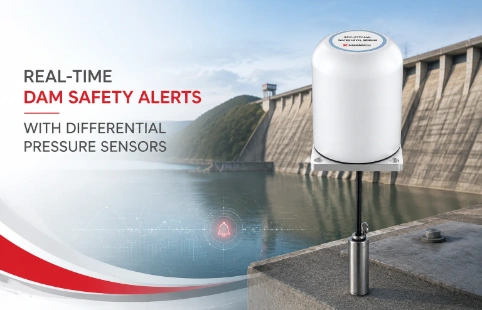
Real-Time Dam Safety Alerts with Differential Pressure Water Level Sensors
Key Takeaways An alert chain needs more than a sensor: define field in...

Load Cell Class: How to Choose the Right Accuracy
A sensor’s accuracy class rarely appears on a purchase order, yet it determines whether a batching system drifts or weighbridge readings hold up under inspection. When someone searches for “load cell class,” they’re usually trying to match an application’s tolerance to a standardized rating. Under OIML R60, classes like C3, C4, or C6 define the maximum number of verification intervals and the allowed error over temperature and time. Kingmach load cells sit at the midpoint between commodity sensor pricing and metrology-lab performance, so we focus on delivering the class you actually need—backed by factory calibration data rather than optimistic datasheets. Our range covers C3 for basic industrial weighing and geotechnical instrumentation, through C4 and C6 for higher-resolution blending and filling. Because we manufacture and compensate strain gauge assemblies in-house, we can hold tighter class tolerances for custom requests without adding months to lead times. This matters a lot in structural health monitoring, where a load cell embedded in a bridge bearing gets tested once a year at best; you want its initial class rating to hold over a decade, not just out of the box. Field teams often ask us whether moving from C3 to C4 on a silo weighing job is worth the extra cost—the answer usually depends on whether the weight data feeds into invoicing or just inventory tracking. Get that choice right, and the class pays for itself.
Technical Detail
An OIML R60 class designation, such as C3 or C4, encodes several performance limits at once: the rated capacity, the minimum verification interval vmin, the temperature range for error compensation, and the maximum number of verification intervals nmax. A C3 load cell, for instance, is allowed up to 3000 intervals, with a maximum error of ±0.02% of rated output over the industrial temperature range −10°C to +40°C. Move to C6, and the interval count doubles to 6000, tightening the acceptable drift. These aren’t just paperwork differences—they directly affect how a scale performs in a warehouse that swings from 5°C at night to 35°C by afternoon. Kingmach builds its sensor line to align with mid-range project realities. Customers get cells that hold their class rating through typical field conditions without lab-level conditioning. The base line starts with C3 compliance, compatible with most weighing indicators and PLC modules accepting 2 mV/V or 3 mV/V analog signals. For customers digitizing older installations, our digital-output modules embed the A/D conversion close to the strain gauge, reducing cabling errors that often degrade the effective class of an analog system. These digital packages can maintain C4 or better across cable runs of 50 meters or more—a practical advantage when you’re retrofitting a hopper scale with the control room far from the vessel. Compatibility goes beyond signal format. Mounting geometry, material certification, and cable entry sealing all influence whether a cell can sustain its class in the field. Kingmach offers nickel-plated alloy steel and stainless steel bodies with IP68-rated cable glands for outdoor geotechnical use. Because our factory manages the full strain gauge bonding and compensation process, we can document how each batch meets its declared class, and when a project demands an odd capacity or a mixed-class calibration curve, the spec sheet matches what ships. That traceability spares integrators the awkward conversation when a third-party audit questions a scale’s approved class. Global distribution means fast replacement of the same class cell in five continents, and our technical support routinely helps with class selection questions—not just quoting an accuracy percentage, but evaluating whether the actual weighing process (dynamic loading, off-center loads, vibrations) will let the sensor perform at its rated class. This service bent is what sets a specialist manufacturer apart from a catalog reseller.
News
Key Takeaways An alert chain needs more than a sensor: define field in...
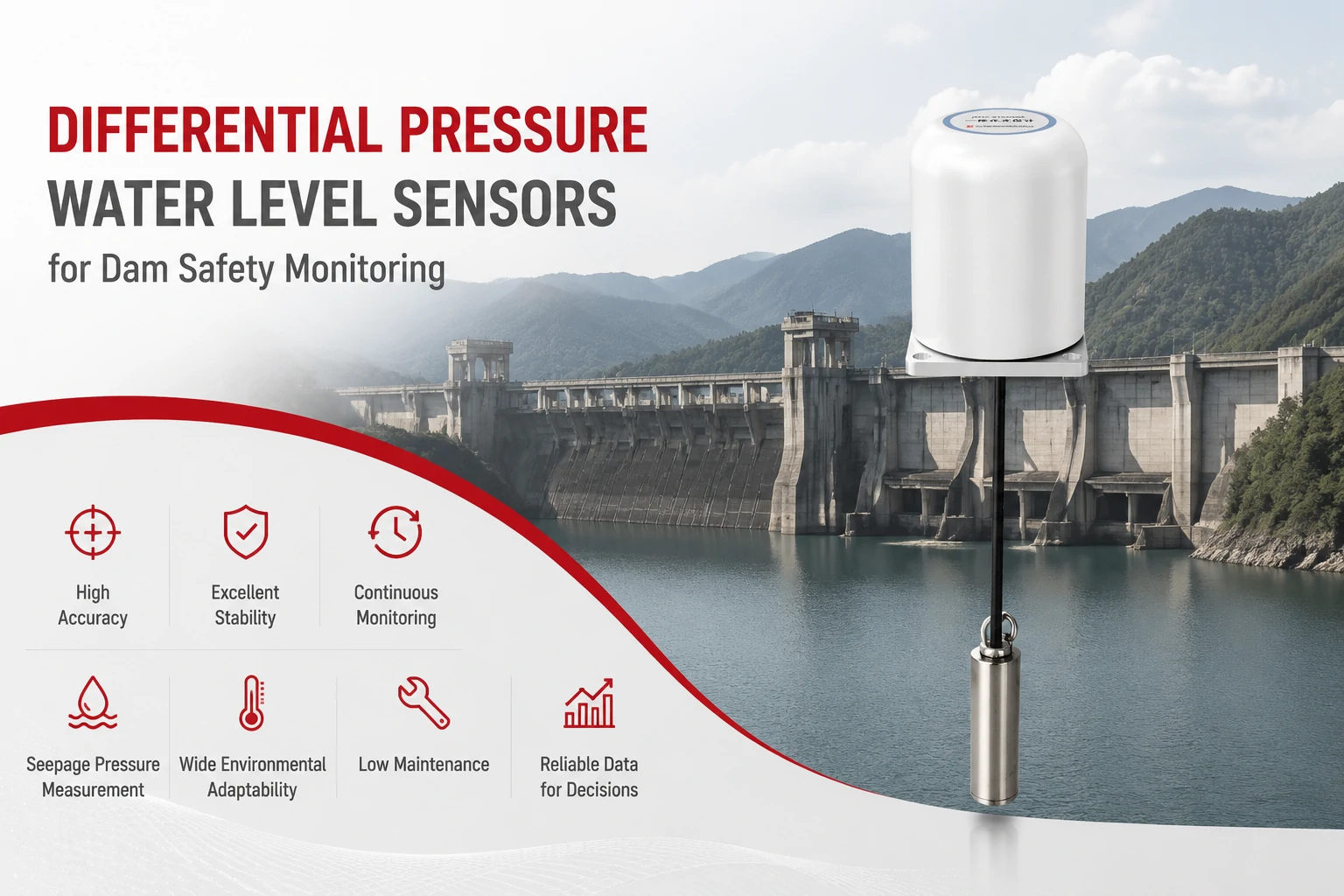
Key Takeaways The strongest fit is usually a confined, submerged, or s...
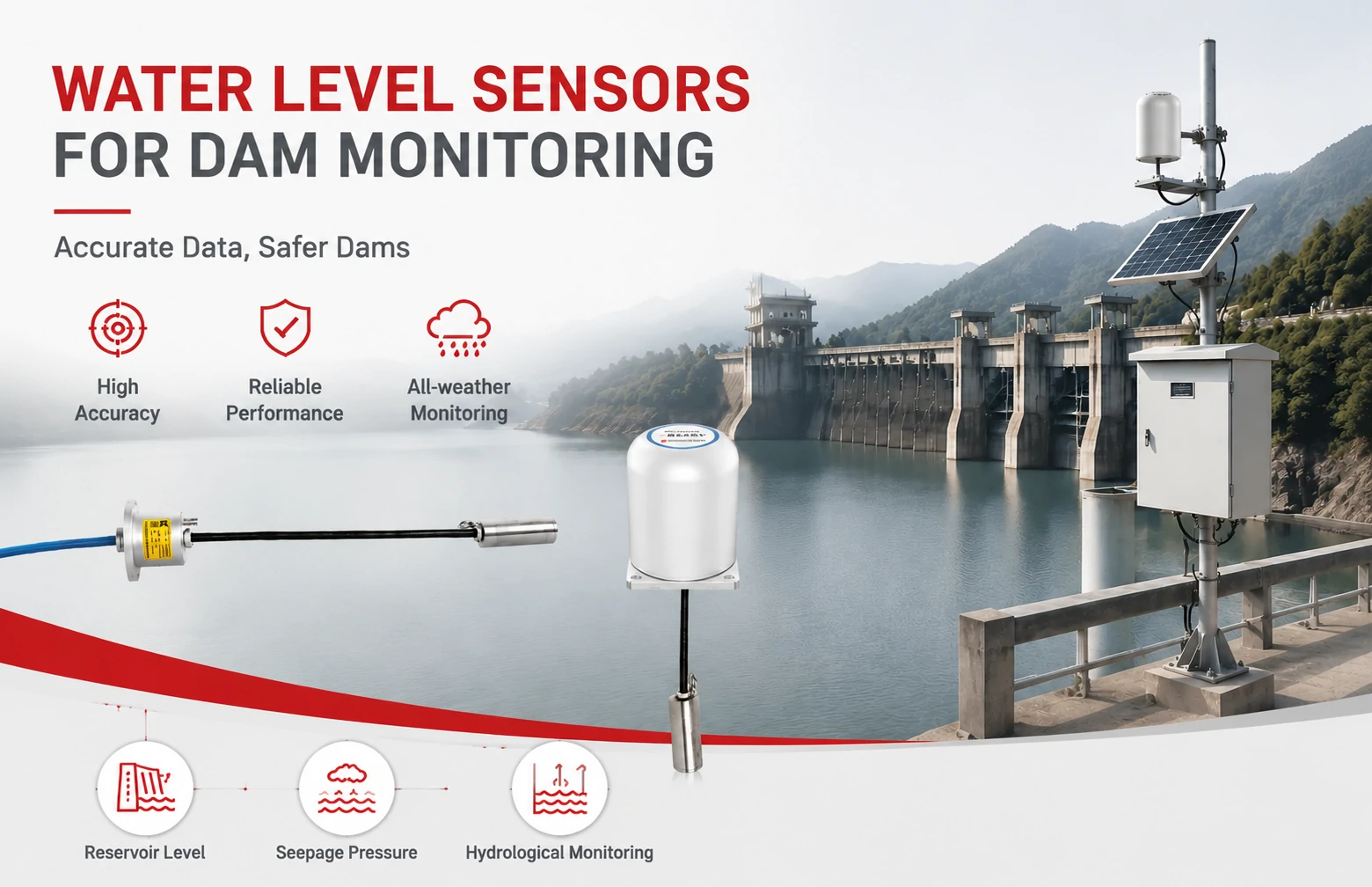
Kingmach Water Level Sensors for Dam Monitoring: A Buyer's Guide to Differential Pre...
Products
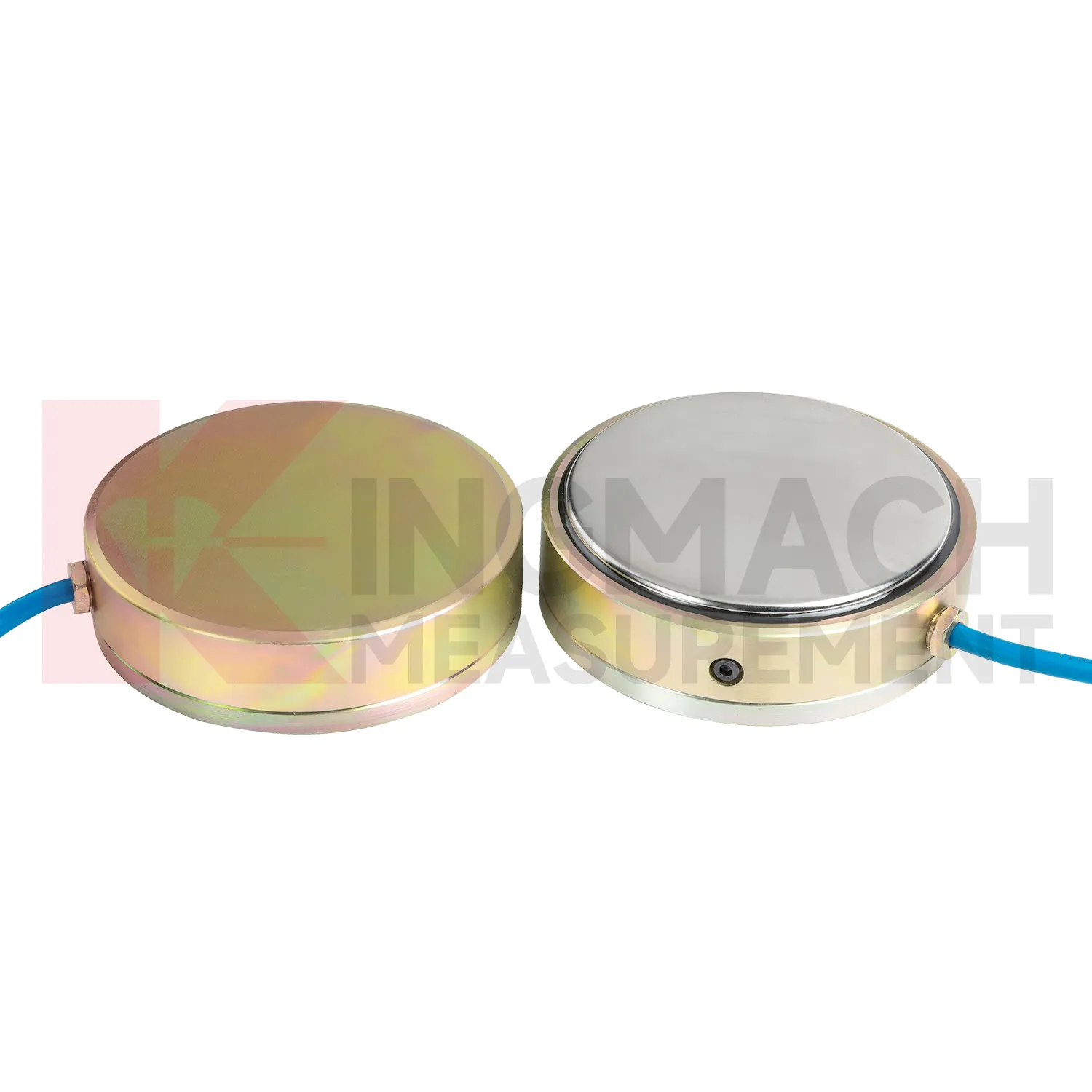
Large Earth Pressure Cell ( VW & Smart Type) JMZX-51XXAT/ ATM
View Details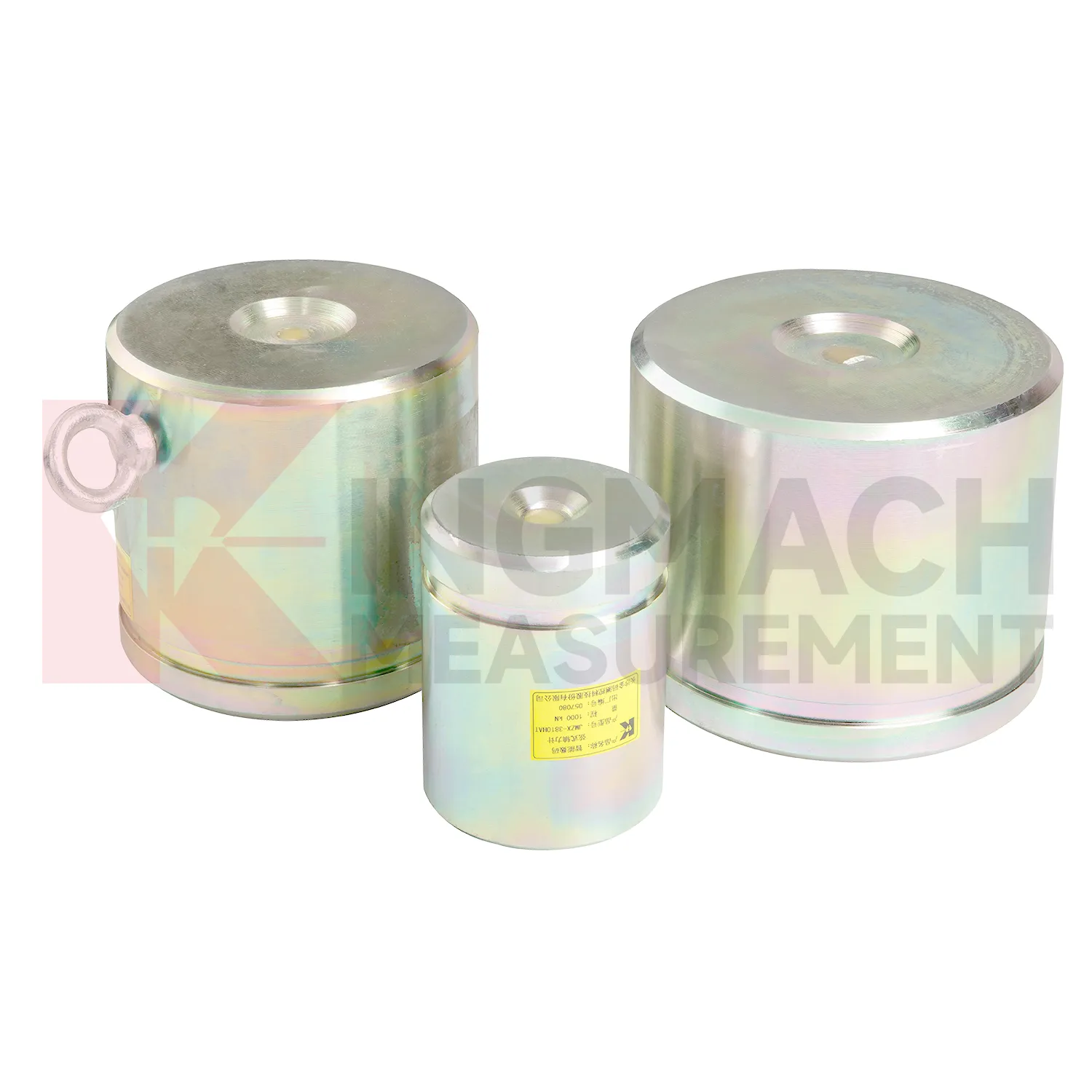
Axial Force Load Meter ( VW & Smart Type)JMZX-38XXHAT
View Details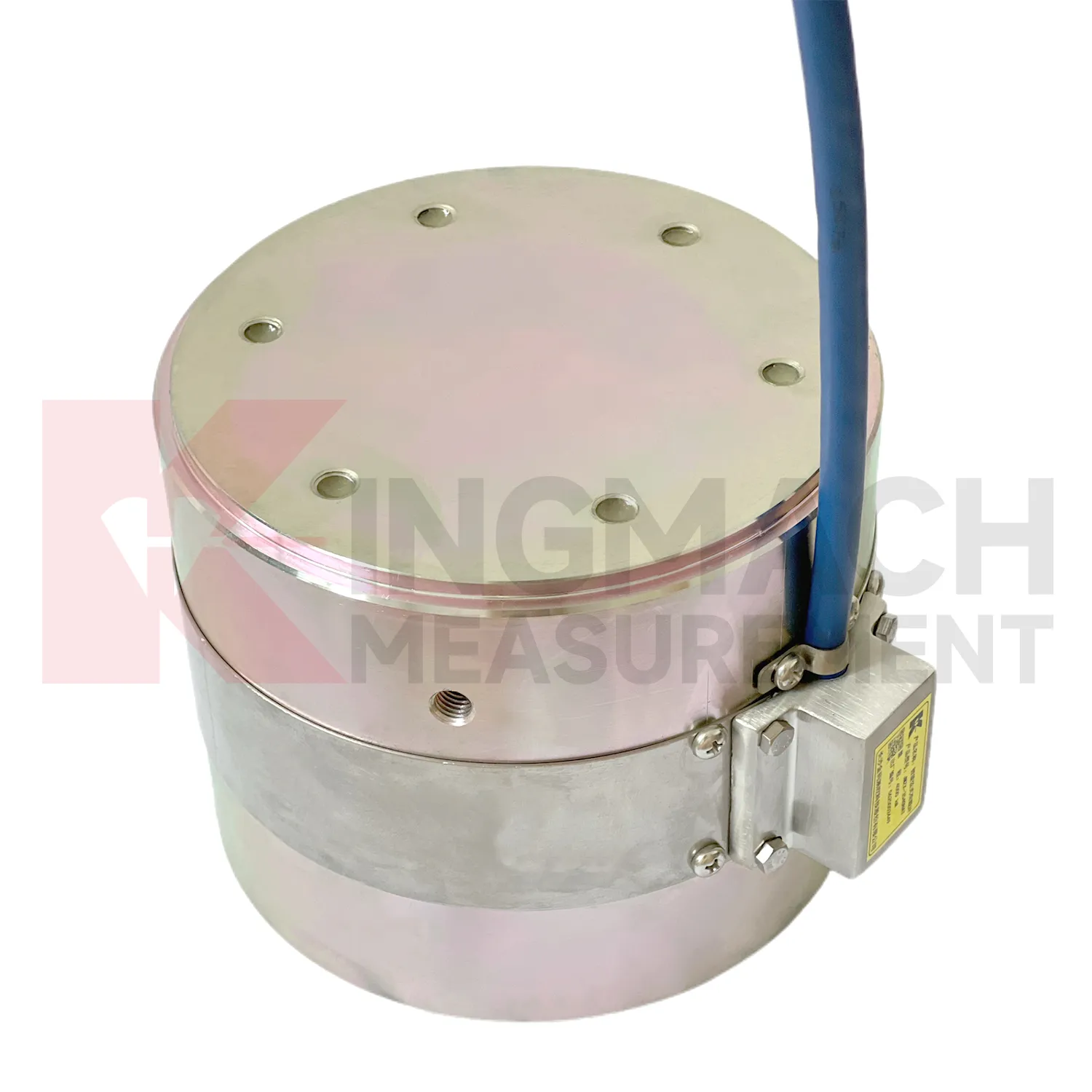
Solid load cell JMZX-34XXHAT、35XXHAT、36XXHAT
View DetailsFAQ
The C classification follows OIML R60, where C indicates the load cell is suitable for single-cell or multi-cell scales with a defined number of verification intervals. The number after C is nmax divided by 1000, so C3 means a maximum of 3000 intervals. In practical terms, a C3 cell can support a scale divided into 3000 equal parts, with each part meeting legal-for-trade error limits. C4 and C6 push this to 4000 and 6000 intervals, tightening the allowable error.
Start by checking whether the weight data is used for billing or custody transfer—if yes, regulations may mandate C4 or better. For internal inventory tracking, C3 often suffices. Also consider the vessel’s structural environment: if temperature swings exceed 20°C daily or if vibration from nearby agitators is constant, a higher class gives you headroom so the sensor’s effective accuracy doesn’t drop below your required tolerance. Our sales engineers can review your specific layout and recommend whether the extra cost of C4 makes sense, based on how the cells will be loaded and wired.
Yes, because we control the strain gauge bonding and compensation steps internally. For large geotechnical projects, we’ve supplied load cells with combined class specifications—for example, meeting C3 linearity but with extended temperature compensation that aligns with C4 limits. This hybrid approach keeps budget in check while delivering the long-term stability needed for dam or bridge monitoring. Every custom order comes with a calibration certificate documenting the actual performance, so you’re not relying on a generic datasheet.
Share your product type, target capacity, and application requirements. Our team can review the details and recommend a practical next step.
If you are interested in our products or want to become our partner.
Please leave your contact information, our team will contact you as soon as possible.
Mail: [email protected]
Contact Us: +8613808434127
Address: No. 188 Tongzipo West Rd, Changsha, Hunan, China