
 EN
EN
 ar
ar bg
bg hr
hr cs
cs da
da nl
nl fi
fi fr
fr de
de el
el hi
hi it
it ko
ko no
no pl
pl pt
pt ro
ro ru
ru es
es sv
sv tl
tl iw
iw id
id lv
lv lt
lt sr
sr sk
sk sl
sl uk
uk vi
vi et
et hu
hu th
th tr
tr fa
fa ms
ms hy
hy ka
ka ur
ur bn
bn mn
mn ta
ta kk
kk uz
uz ku
ku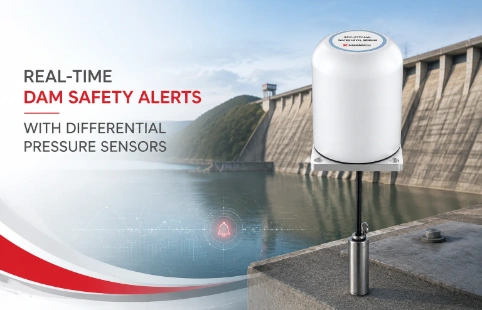
Real-Time Dam Safety Alerts with Differential Pressure Water Level Sensors
Key Takeaways An alert chain needs more than a sensor: define field in...

Soil Moisture Sensors That Deliver Consistent Field Data
Soil moisture measurement can get complicated fast—varying soil types, salinity, temperature swings. Kingmach keeps it practical. Our soil moisture sensors are built around dielectric measurement methods like FDR, which read volumetric water content without constant tinkering. We focus on output stability, corrosion resistance, and easy integration into existing data loggers or SCADA. You will find versions with analog loops, SDI-12, or Modbus, so they fit neatly into your monitoring stack. Custom lead lengths, probe housings, and even multi-depth arrays are standard requests we handle. The goal is not to dazzle with specs you will never verify but to ship a sensor that holds its calibration through wet seasons, dry spells, and years underground.
Technical Detail
Kingmach manufactures soil moisture sensors for professionals who need readings they can rely on without fuss. Our approach is straightforward: use proven frequency domain reflectometry (FDR) to measure soil volumetric water content from near-saturation to bone-dry conditions. Typical output options include 4–20 mA, 0–2.5 V, or RS485 with Modbus RTU, so integrating with Campbell Scientific, LabJack, or custom PLC systems is trouble-free. Probe bodies are machined from stainless steel or durable plastics rated to IP68, and the sensing rods are sealed against moisture ingress. We also offer custom rod lengths, multi-depth combinations, and specific connector types to match your cable routing. Calibration is done against standard reference media, with in-field offsets easily adjusted via our software. With a global distribution network and local technical support, we respond to project-specific needs—whether you are instrumenting a single embankment or a network of agricultural lysimeters. No magic numbers, just hardware that works.
News
Key Takeaways An alert chain needs more than a sensor: define field in...
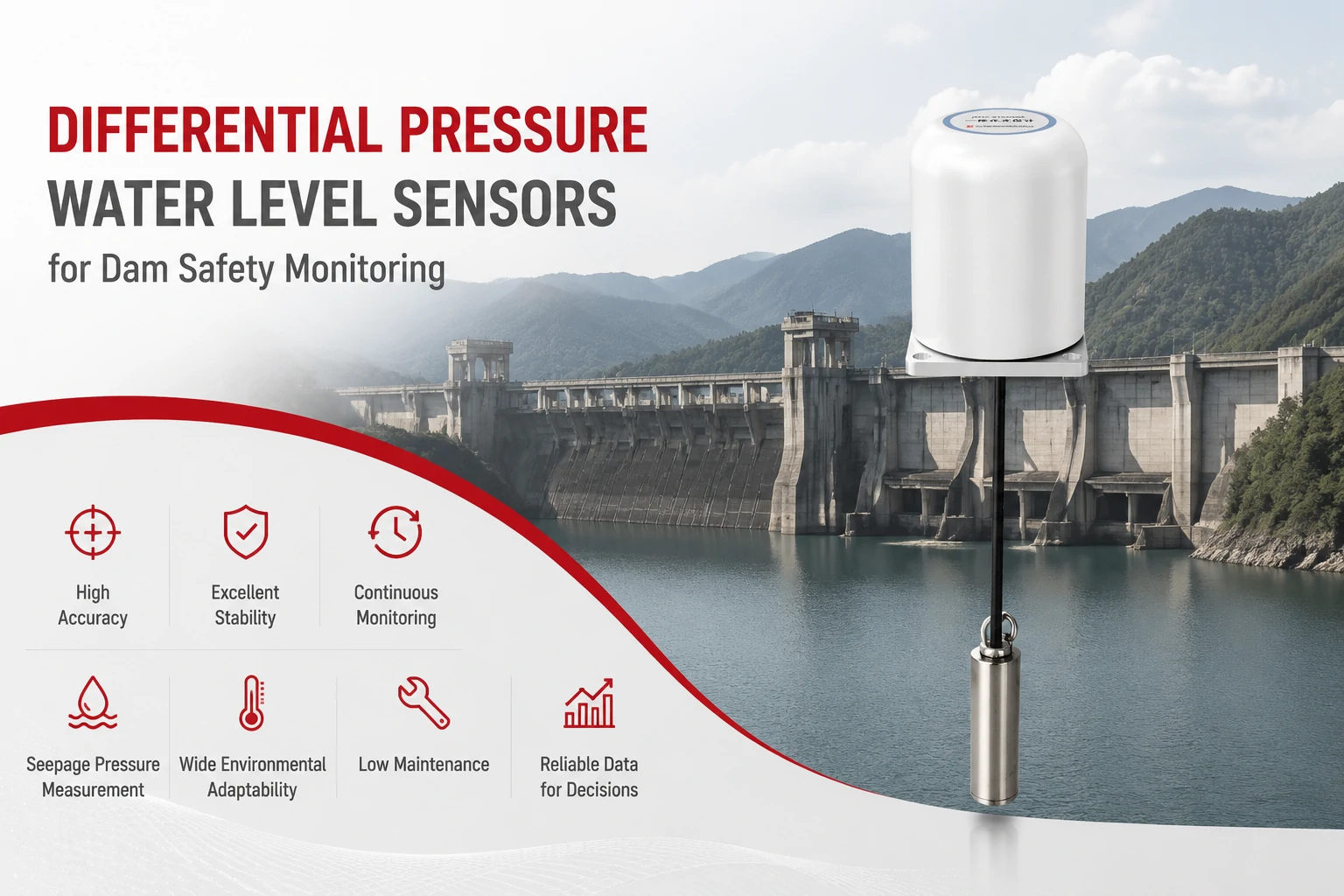
Key Takeaways The strongest fit is usually a confined, submerged, or s...
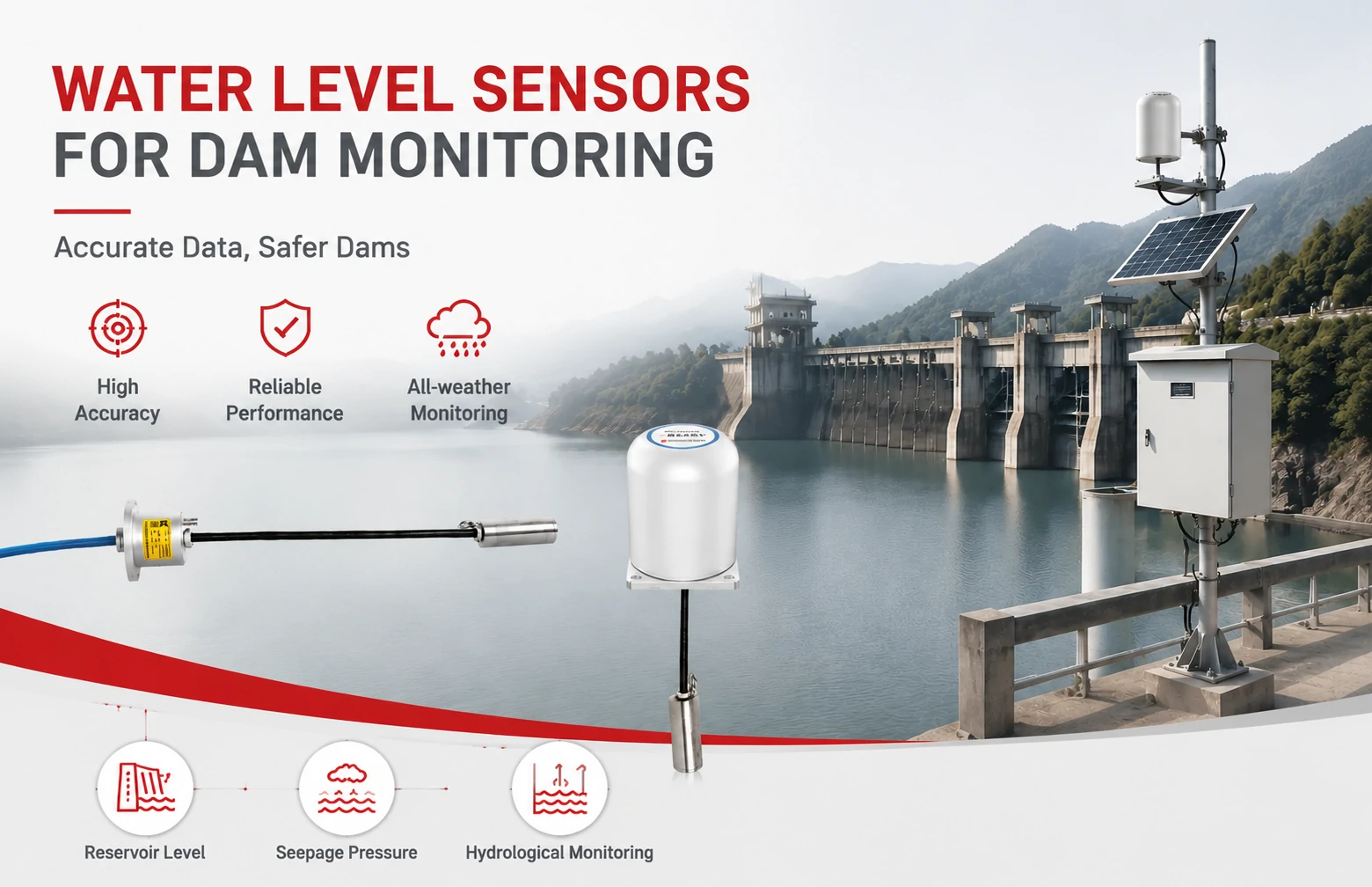
Kingmach Water Level Sensors for Dam Monitoring: A Buyer's Guide to Differential Pre...
Products
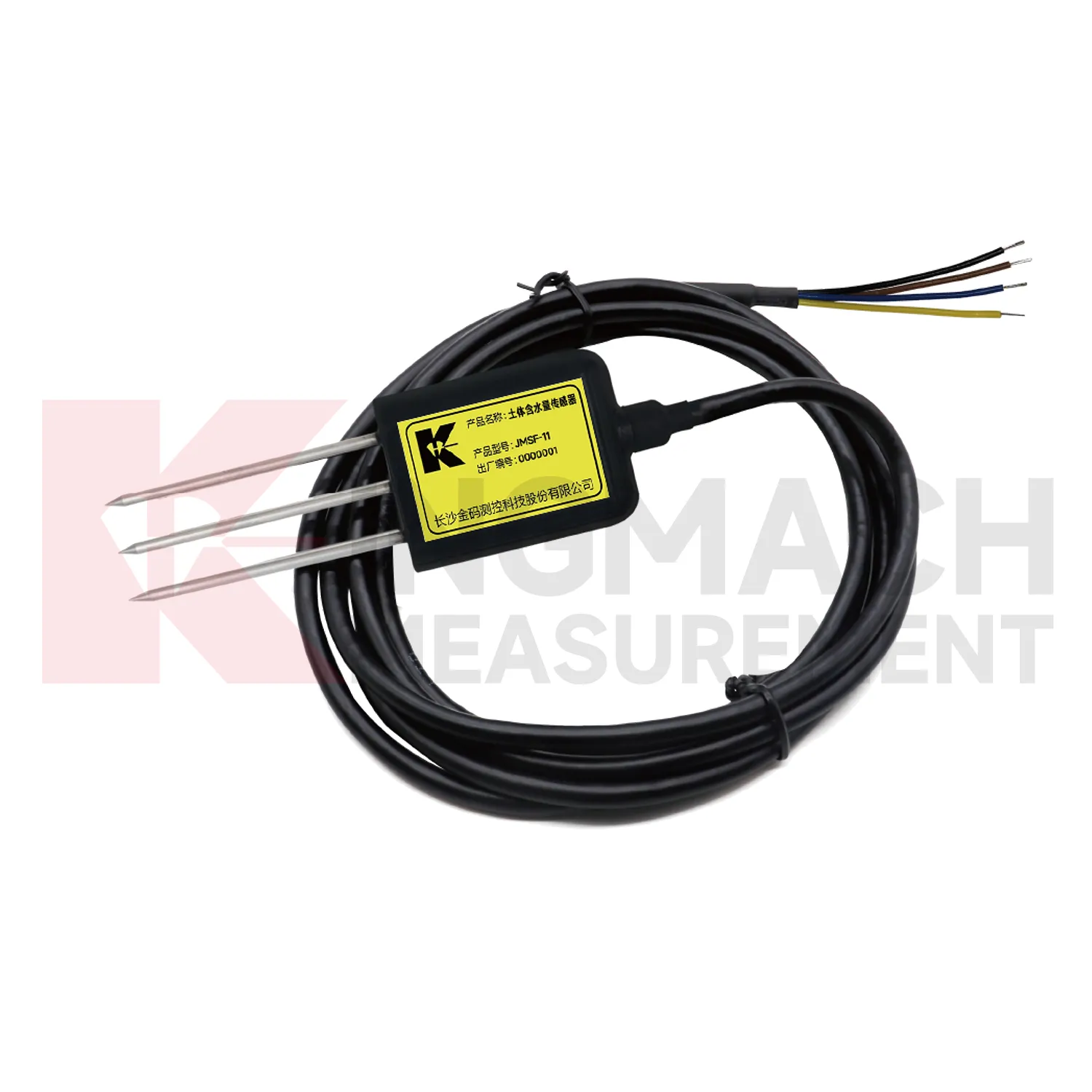
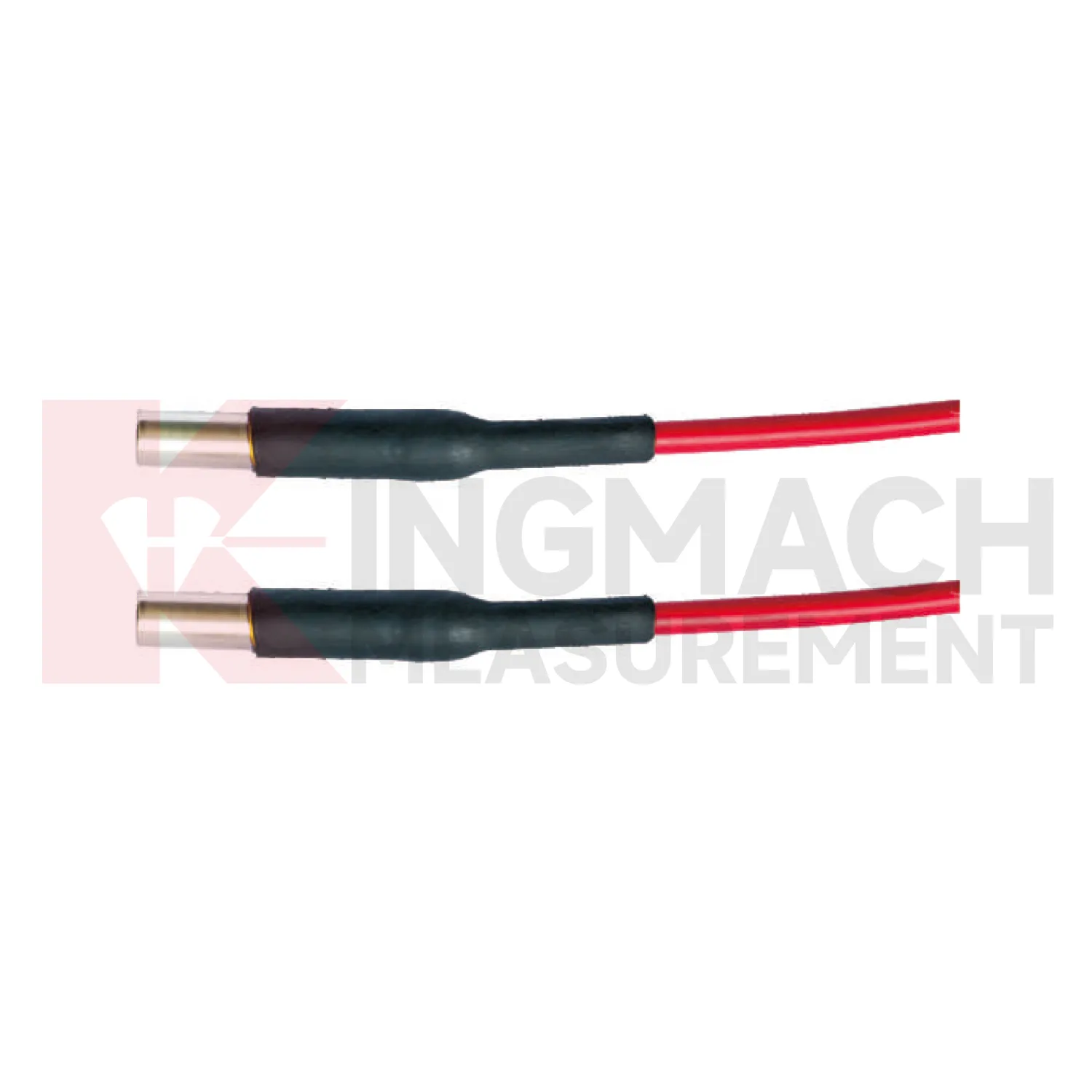
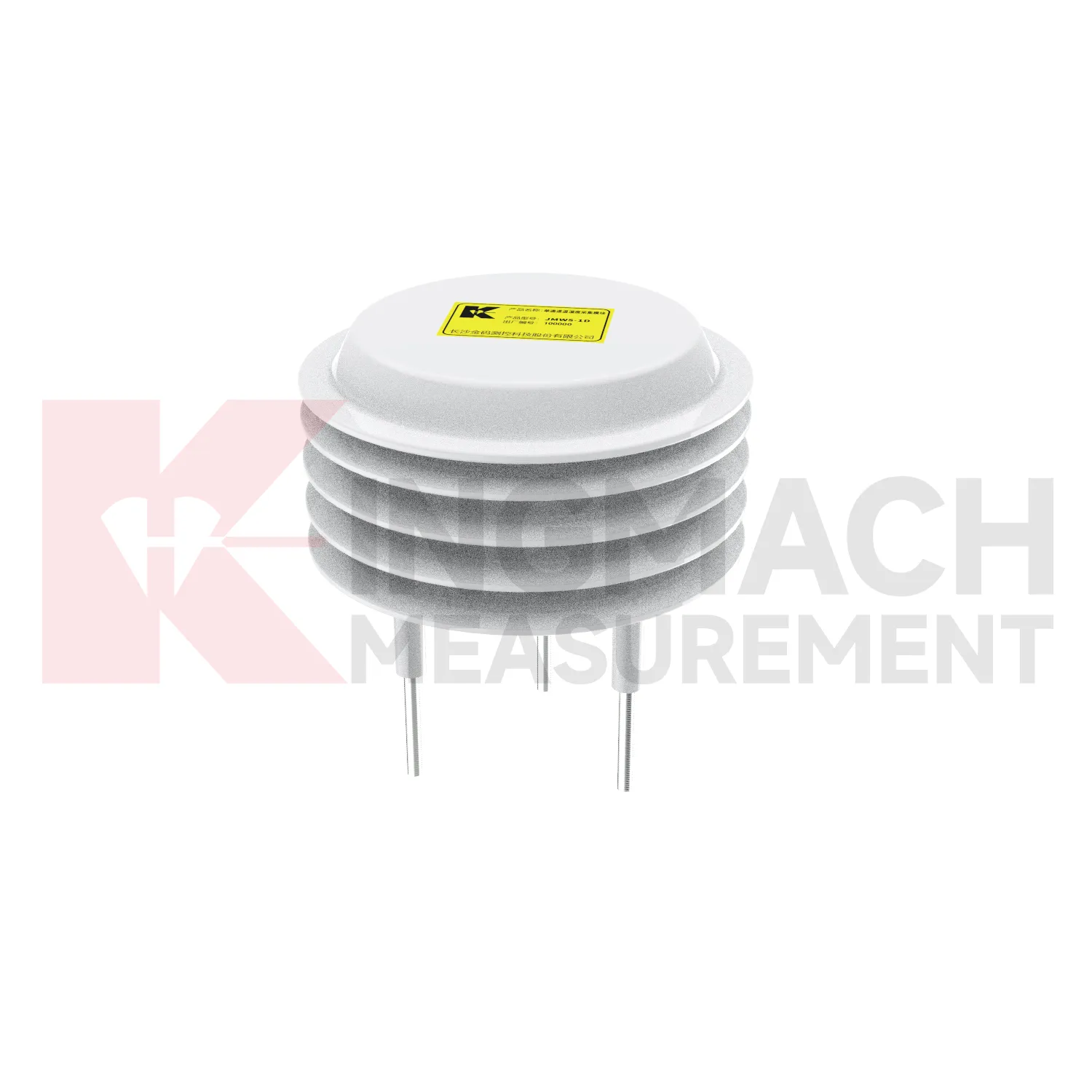
Single-Channel Temperature and Humidity Acquisition Module JMWS-1D
View DetailsFAQ
It depends on your data acquisition setup. Analog (4–20 mA or voltage) is simple and works over long cable runs with minimal hardware. Digital (RS485 Modbus or SDI-12) gives you addressable sensors and direct engineering units. If you are using a datalogger like a CR1000, analog is often the simplest path. For newer IIoT gateways, Modbus is cleaner.
They come pre-calibrated for mineral soils, which covers most geotechnical and agricultural applications. If you are working in extremely high organic matter or unusual substrates, you can apply a soil-specific offset through our configuration tool. The factory curve is stable for years, so routine recalibration is not needed unless you suspect drift.
That is project-specific. For slope stability monitoring, we often place sensors at 30 cm, 60 cm, and 1 m to capture the wetting front. In agricultural applications, 10–30 cm may be enough. We offer single-depth probes as well as segmented multi-depth sensors.
The stainless steel probes are resistant to corrosion in most soils, but in highly aggressive environments we can supply titanium alloy options. For installation, bury the sensor in a slurry of native soil to avoid air gaps and protect the cable with conduit where it exits the ground.
Share your product type, target capacity, and application requirements. Our team can review the details and recommend a practical next step.
If you are interested in our products or want to become our partner.
Please leave your contact information, our team will contact you as soon as possible.
Mail: [email protected]
Contact Us: +8613808434127
Address: No. 188 Tongzipo West Rd, Changsha, Hunan, China