
 EN
EN
 ar
ar bg
bg hr
hr cs
cs da
da nl
nl fi
fi fr
fr de
de el
el hi
hi it
it ko
ko no
no pl
pl pt
pt ro
ro ru
ru es
es sv
sv tl
tl iw
iw id
id lv
lv lt
lt sr
sr sk
sk sl
sl uk
uk vi
vi et
et hu
hu th
th tr
tr fa
fa ms
ms hy
hy ka
ka ur
ur bn
bn mn
mn ta
ta kk
kk uz
uz ku
ku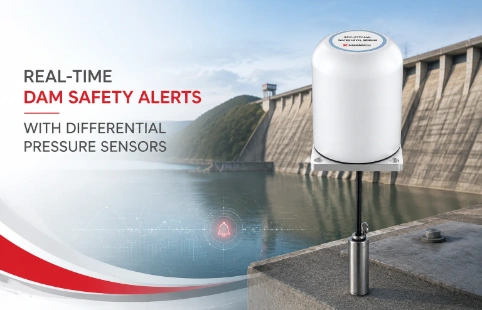
Real-Time Dam Safety Alerts with Differential Pressure Water Level Sensors
Key Takeaways An alert chain needs more than a sensor: define field in...

Strain Gauge Full Bridge Force Sensors for Reliable Measurement
Full bridge strain gauge force sensors get the job done when you need repeatable, low-drift force readings in the field. Four active strain gauges compensate for temperature shifts and cancel out bending moments, so the signal you see is mostly the axial load. That matters in geotechnical applications where sensors sit in boreholes, embed in concrete, or clamp onto structural members for years. Kingmach supplies these sensors as part of a broader range of monitoring instruments, with a focus on making them work with your existing data loggers and readout units. If the standard configuration does not match your project, customization is available—different cable lengths, mounting adapters, or sealing for high humidity environments. We ship from a global distribution network and provide technical support for installation and troubleshooting.
Technical Detail
A full bridge strain gauge force sensor uses four strain gauges wired in a Wheatstone bridge to convert a physical load into a millivolt signal. When you apply force, two gauges see tension and two see compression, which doubles the bridge output compared to a quarter bridge and cancels common-mode temperature effects. This makes them suitable for long-term monitoring where ambient temperature swings are a fact of life. Kingmach integrates these sensors into geotechnical and structural health monitoring systems. Typical uses include anchor force measurement, strut load monitoring, rock bolt testing, and pile load tests. The sensors are designed so that field crews can connect them directly to portable readout units or fixed data acquisition systems. Output is often mV/V, and many are compatible with standard 4-wire or 6-wire measurement circuits. Compared to half bridge or quarter bridge arrangements, the full bridge configuration delivers better linearity and temperature compensation without external dummy gauges. Because the signal is already compensated inside the sensor, you spend less time on site adjusting internal bridge resistors. We offer multiple capacity ranges and housing styles, including tension-compression models and low-profile compression-only designs. If your project calls for non-standard dimensions or submersible enclosures, we can discuss what is feasible. Installation is straightforward: the sensor bolts into the load path, and the bridge signal feeds into a strain gauge indicator or data logger channel. Most models have a dedicated calibration sheet, so setting up the readout is a two-minute job. Commissioning tests typically verify zero balance and shunt calibration. For static applications like tie-back load monitoring, the drift over months is usually negligible once the sensor is properly seated. Since we manufacture in-house, we can also supply matching signal conditioning modules or cable assemblies to simplify installation. After the sale, our support team can help troubleshoot noise issues, moisture ingress, or unexpected zero shifts based on field data.
News
Key Takeaways An alert chain needs more than a sensor: define field in...
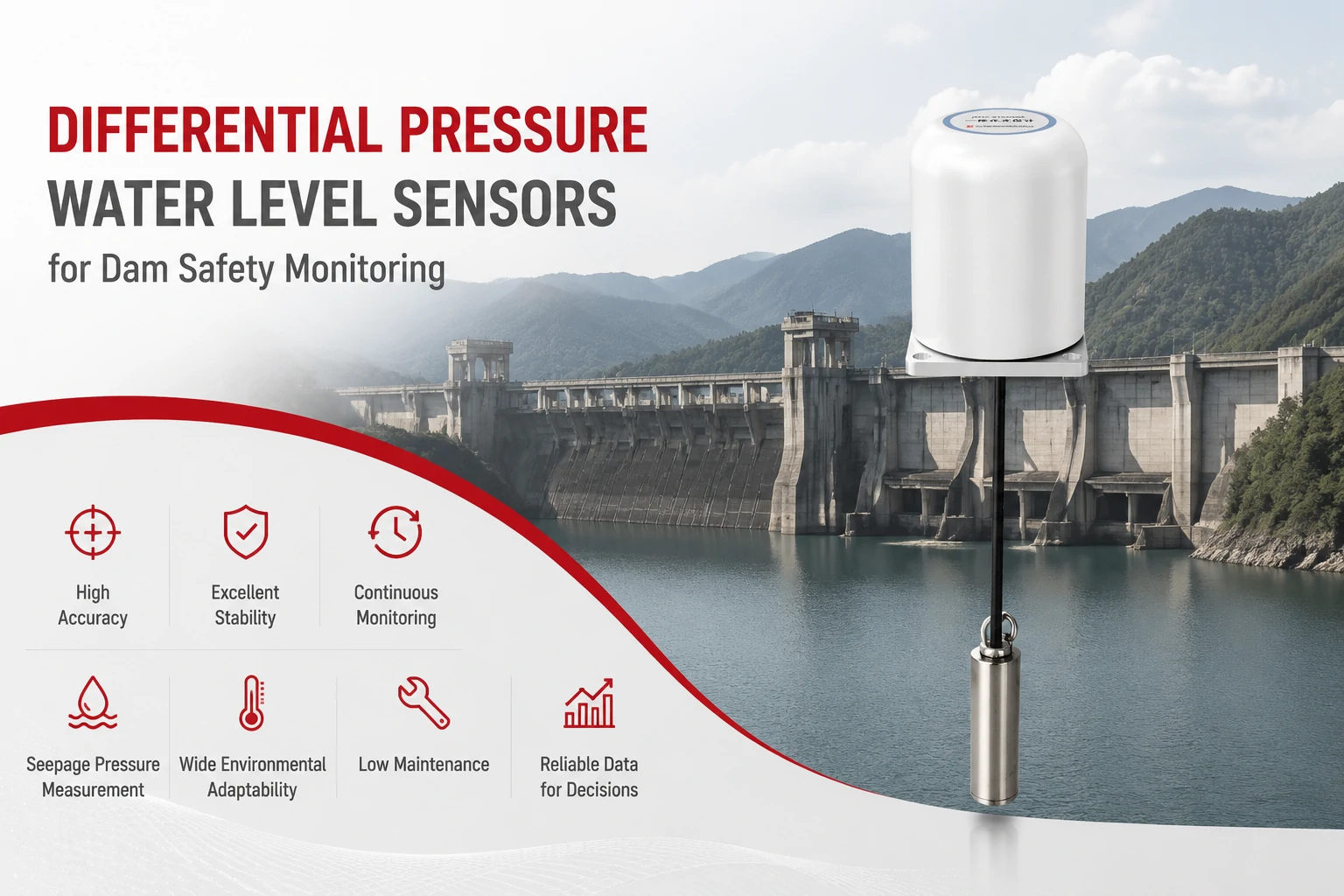
Key Takeaways The strongest fit is usually a confined, submerged, or s...
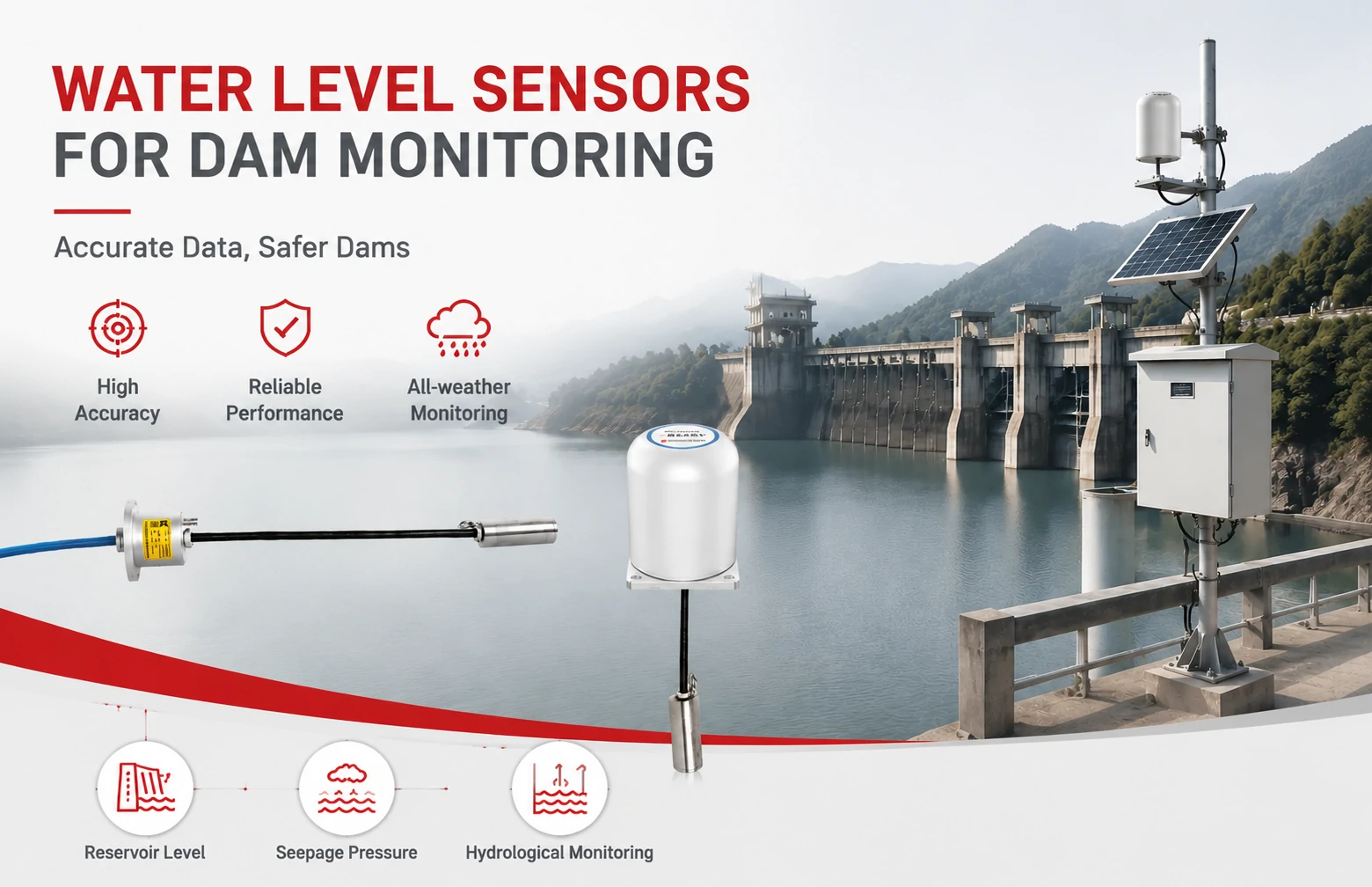
Kingmach Water Level Sensors for Dam Monitoring: A Buyer's Guide to Differential Pre...
Products
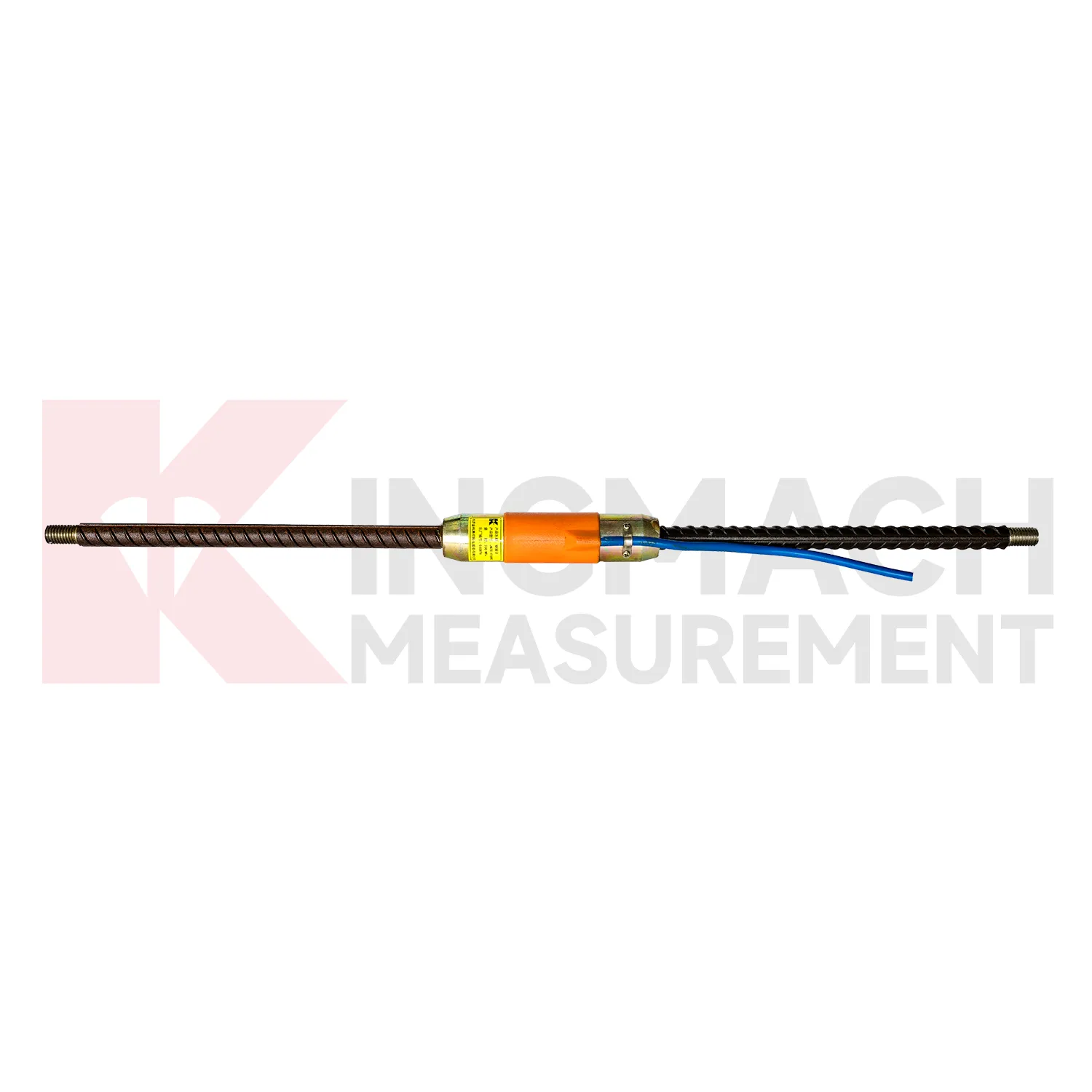
Rebar Strainmeters ( VW & Smart Type) JMZX-4XXHAT/HB
View Details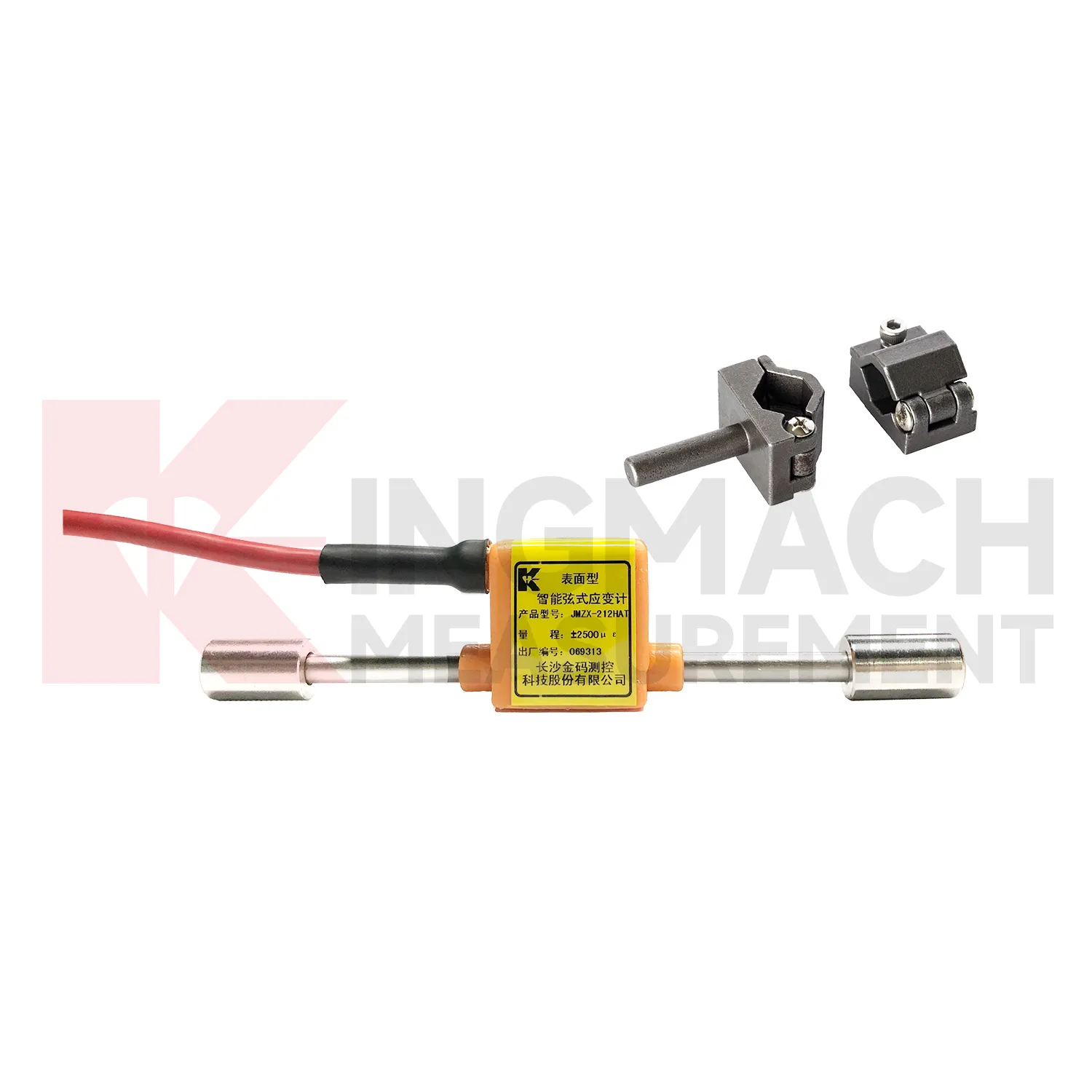
Smart vibrating wire strain gauge (surface model) JMZX-212HAT/HB
View Details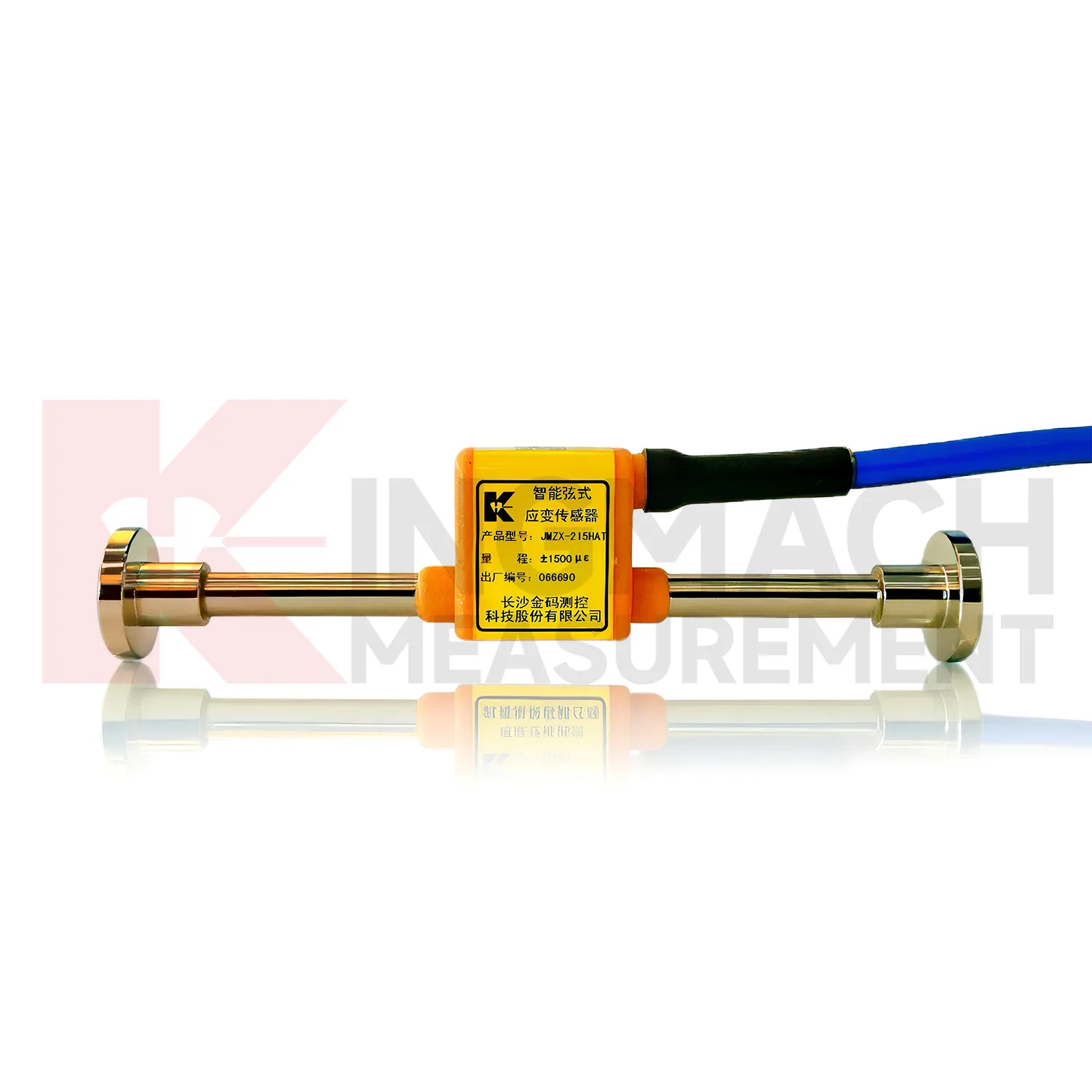
Smart vibrating wire strain gauge (embedment model) JMZX-215HA/215HAT/HB
View DetailsFAQ
Most sensors provide a ratiometric output in mV/V, meaning the signal scales with the excitation voltage. You will normally see 2 mV/V or 3 mV/V at full scale. Check the calibration sheet for the exact value.
We can provide sensors with hermetic sealing or IP67/IP68 housings for wet environments. The cable gland area needs extra attention during installation; if water gets in through a damaged cable, the bridge resistance will drift.
Use a 4-wire connection for shorter cable runs and a 6-wire connection when the cable exceeds about 10 meters to cancel lead wire resistance errors. The logger should have a strain gauge input module or a dedicated Wheatstone bridge input.
Periodic shunt calibration checks are recommended to verify the calibration factor. Look for zero shifts caused by overload or moisture. If the sensor is in a dynamic loading situation, check the mounting bolts for loosening.
Yes, we can design adapter plates, threaded studs, or clamp arrangements based on your drawings. Provide the load range and the physical constraints, and we will propose a solution.
Share your product type, target capacity, and application requirements. Our team can review the details and recommend a practical next step.
If you are interested in our products or want to become our partner.
Please leave your contact information, our team will contact you as soon as possible.
Mail: [email protected]
Contact Us: +8613808434127
Address: No. 188 Tongzipo West Rd, Changsha, Hunan, China