
 EN
EN
 ar
ar bg
bg hr
hr cs
cs da
da nl
nl fi
fi fr
fr de
de el
el hi
hi it
it ko
ko no
no pl
pl pt
pt ro
ro ru
ru es
es sv
sv tl
tl iw
iw id
id lv
lv lt
lt sr
sr sk
sk sl
sl uk
uk vi
vi et
et hu
hu th
th tr
tr fa
fa ms
ms hy
hy ka
ka ur
ur bn
bn mn
mn ta
ta kk
kk uz
uz ku
ku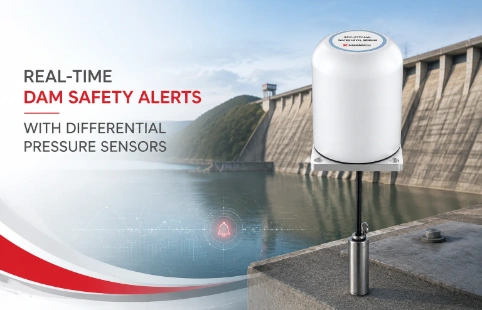
Real-Time Dam Safety Alerts with Differential Pressure Water Level Sensors
Key Takeaways An alert chain needs more than a sensor: define field in...

Strain Gauge Load Cells Built for Field Demands
Install a sensor in a borehole 50 meters down, and you want it to keep reading right through wet, shifting ground for years. That kind of dependability doesn't come from a catalog part. At Kingmach, we make strain gauge load cells for exactly this—anchors, struts, piles, rock bolts. Our background in geotechnical instruments means the load cell isn't an afterthought; it's the focus. You get a sensor that fits your monitoring layout, with output you can trust when conditions turn difficult. No generic sales pitch, just what we've learned from decades of supplying monitoring networks around the world.
Technical Detail
Kingmach's strain gauge load cells convert force into a measurable electrical signal using bonded foil strain gauges. The sensing element is sealed inside a rugged steel body. For civil engineering, we typically supply annular or solid cylindrical forms, often with a center hole that lets a tendon or anchor bar pass through. Ranges start from low kN to several MN, and the output is usually mV/V or 4-20 mA for easy integration with dataloggers. Because most of our customers run long-term monitoring programs, we pay attention to things like creep recovery, temperature compensation, and waterproofing. The strain gauge bridge is assembled in-house, and each unit gets a calibration certificate that's traceable. We also handle special requests—unusual dimensions, dual bridges, high-temperature versions, or built-in surge protection. Beyond the hardware, we can pre-configure cables, connectors, and even help with data interpretation setups. Our distribution network covers Asia, Europe, the Americas, and Africa, so logistics and local support aren't problems. If you need a load cell that will sit under a dam for a decade, or temporary ones for an excavation, talk to our engineers. We'll spec it right, rather than selling you something off the shelf that might not hold up.
News
Key Takeaways An alert chain needs more than a sensor: define field in...
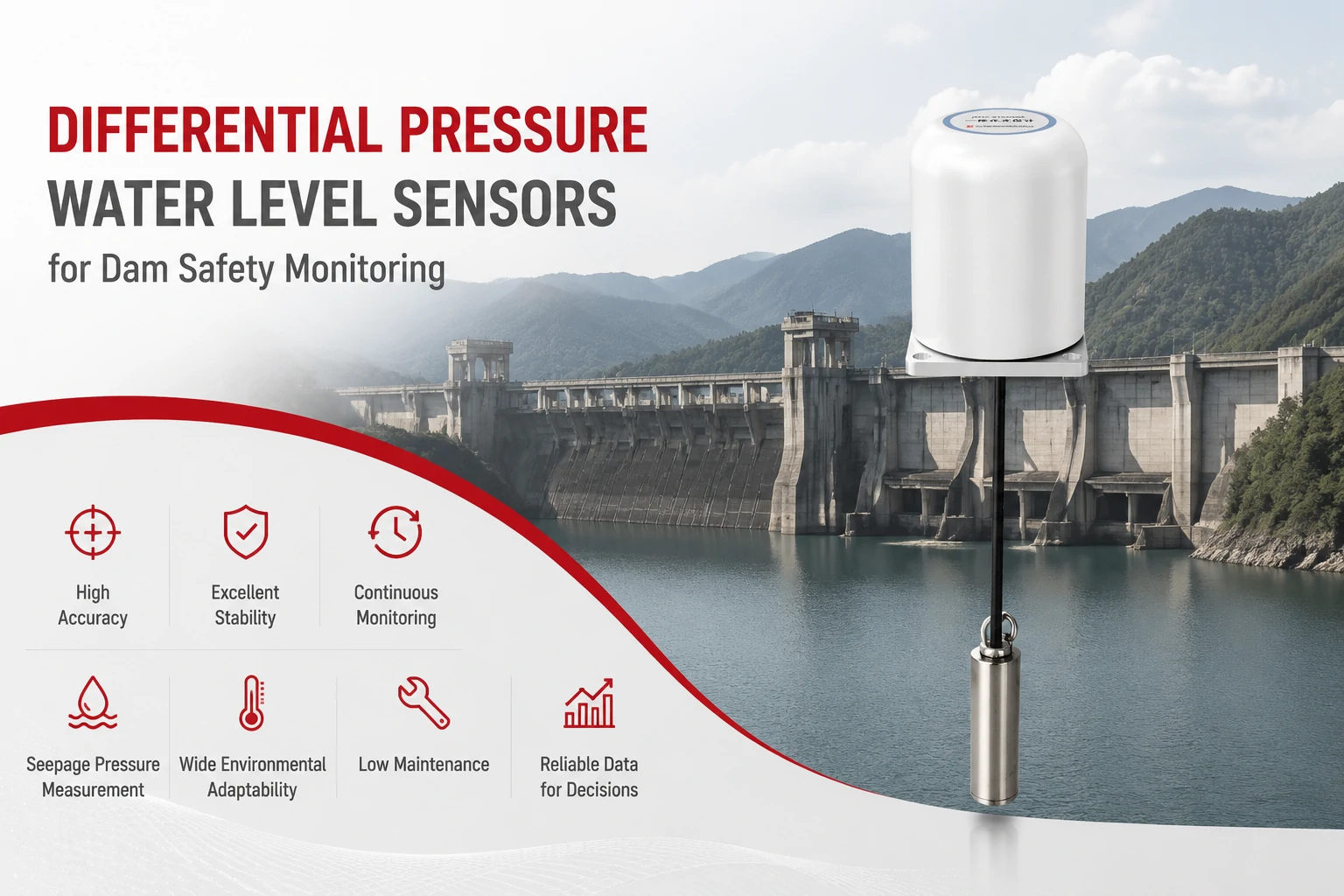
Key Takeaways The strongest fit is usually a confined, submerged, or s...
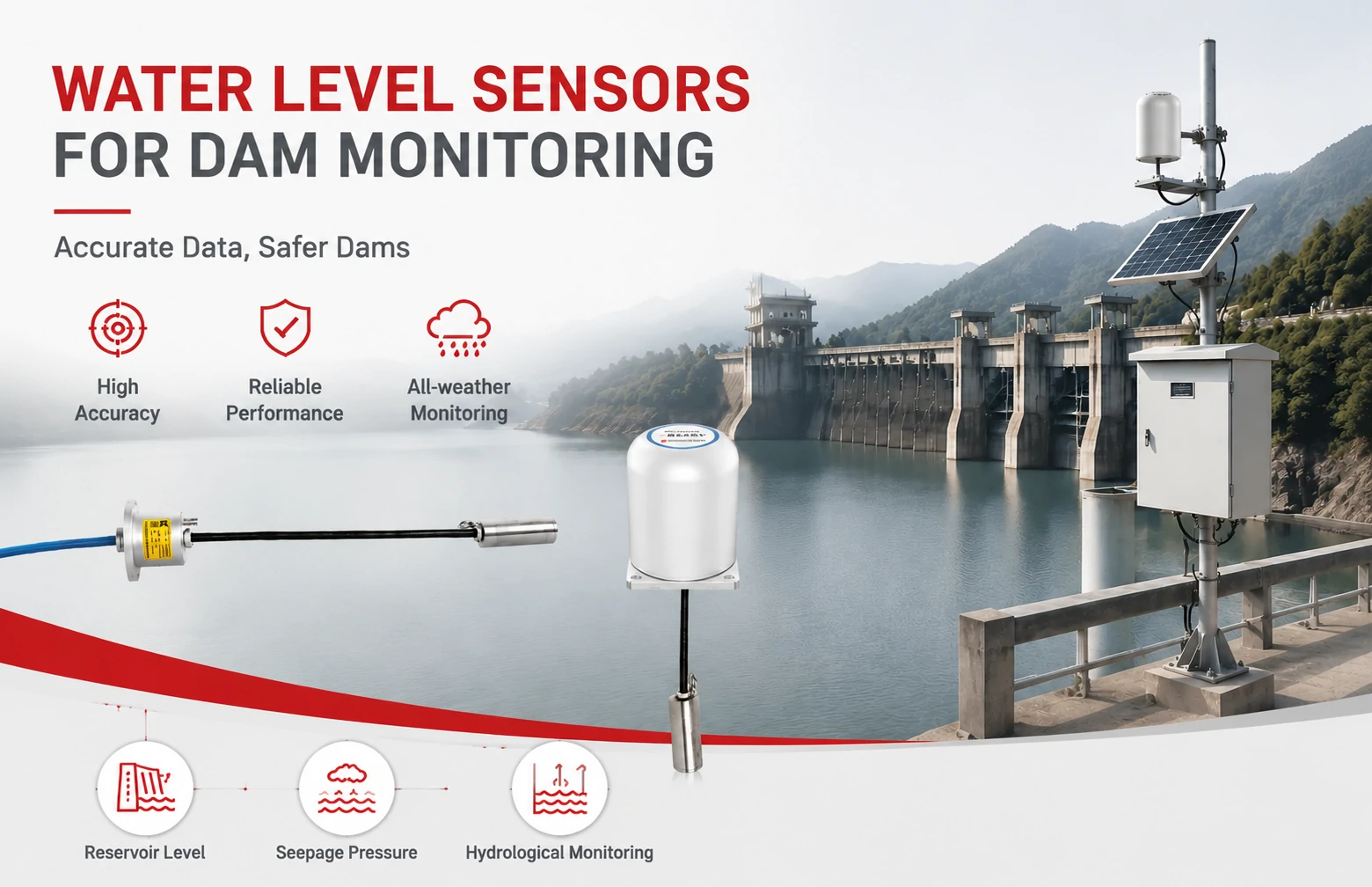
Kingmach Water Level Sensors for Dam Monitoring: A Buyer's Guide to Differential Pre...
Products
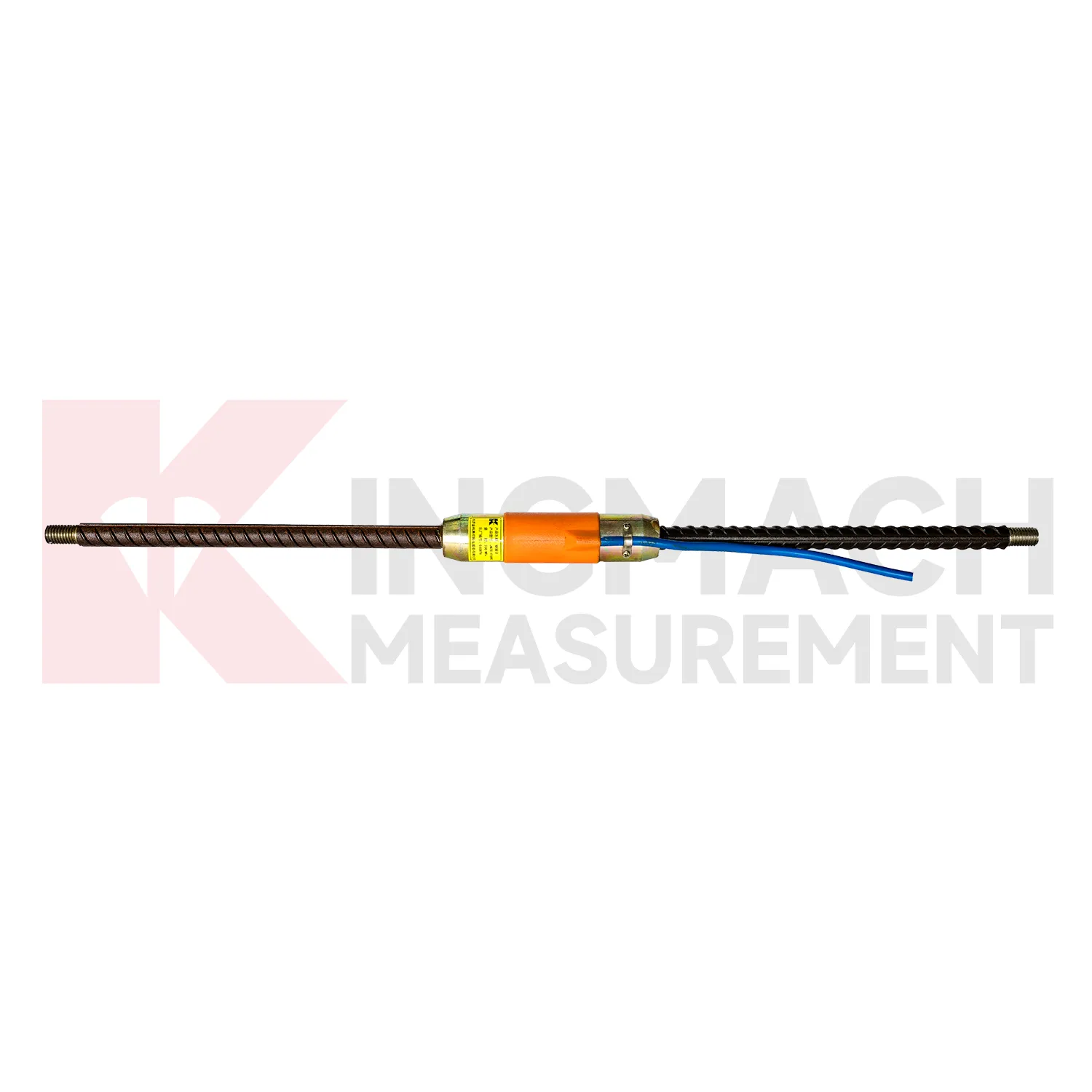
Rebar Strainmeters ( VW & Smart Type) JMZX-4XXHAT/HB
View Details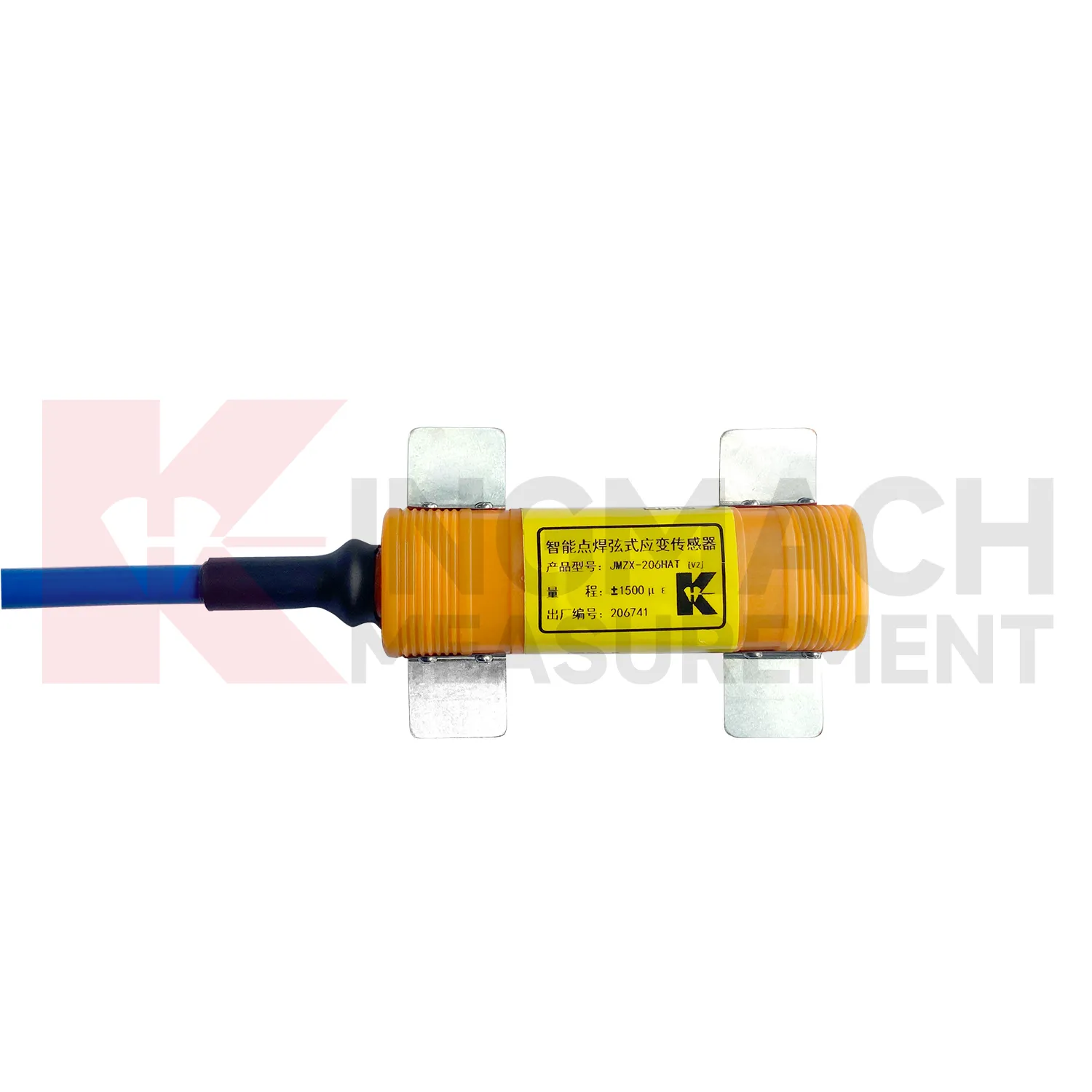
Smart vibrating wire strain gauge (surface welded model) JMZX-206HAT
View Details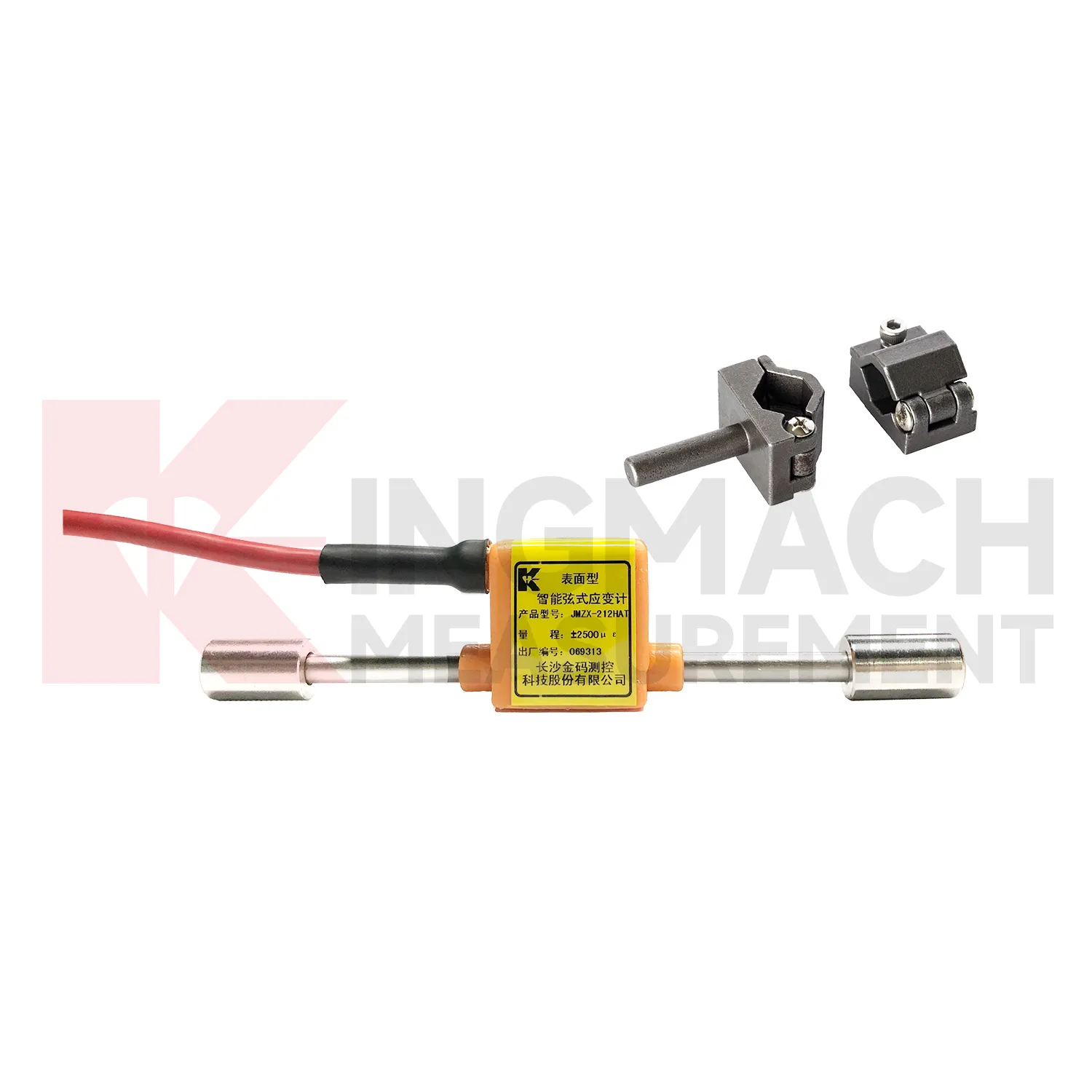
Smart vibrating wire strain gauge (surface model) JMZX-212HAT/HB
View DetailsFAQ
Strain gauge cells give faster dynamic response and are typically used for short-term or real-time monitoring. Vibrating wire cells are often chosen for very long-term stability in static applications. We make both, so we'll recommend based on your project duration and data needs.
Yes. We regularly modify center hole diameters to match anchor heads or tendon sizes. Give us the dimension, and we'll check if it fits a standard model or needs a small customization.
Our strain gauge bridges include temperature compensation matched to the steel body. For applications with big temperature swings, we can add a dummy gauge or provide a thermal correction factor. Let us know the expected range.
Standard is a PVC or PUR cable with a vent tube for pressure equalization. We can also fit military-style connectors, junction boxes, or wireless nodes if that's easier for your site layout.
Every unit leaves our factory with a traceable calibration sheet. If you need an accredited certificate or extra test points, we can arrange that through our calibration lab.
Share your product type, target capacity, and application requirements. Our team can review the details and recommend a practical next step.
If you are interested in our products or want to become our partner.
Please leave your contact information, our team will contact you as soon as possible.
Mail: [email protected]
Contact Us: +8613808434127
Address: No. 188 Tongzipo West Rd, Changsha, Hunan, China