
 EN
EN
 ar
ar bg
bg hr
hr cs
cs da
da nl
nl fi
fi fr
fr de
de el
el hi
hi it
it ko
ko no
no pl
pl pt
pt ro
ro ru
ru es
es sv
sv tl
tl iw
iw id
id lv
lv lt
lt sr
sr sk
sk sl
sl uk
uk vi
vi et
et hu
hu th
th tr
tr fa
fa ms
ms hy
hy ka
ka ur
ur bn
bn mn
mn ta
ta kk
kk uz
uz ku
ku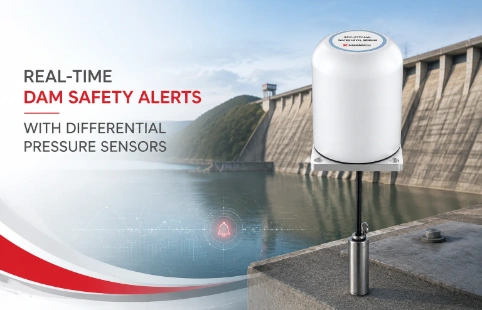
Real-Time Dam Safety Alerts with Differential Pressure Water Level Sensors
Key Takeaways An alert chain needs more than a sensor: define field in...

Strain Gauge Measurement for Reliable Monitoring
When a tunnel lining shows unexpected deformation, the difference between a costly repair and timely intervention often comes down to one thing: accurate strain gauge measurement. In geotechnical and structural projects, strain data isn’t just a number—it’s the early warning system that keeps assets safe and budgets on track. Kingmach Measurement & Monitoring Technology has focused on this niche for years, building a range of instruments that balance field robustness with lab-grade precision. Instead of offering one-size-fits-all sensors, we work with engineers to match the measurement principle (vibrating wire, resistive, or fiber optic) to the specific soil, concrete, or steel environment. Our network spans from local distributors to direct technical support, ensuring that when a reading looks off, you’re not left guessing. Whether it’s a dam, a deep excavation, or a heritage structure, the right strain gauge measurement setup can mean the difference between reacting to failure and preventing it. We don’t just sell sensors—we help design the monitoring strategy that makes sense for your site conditions and data requirements.
Technical Detail
Kingmach’s strain gauge measurement portfolio covers a range of sensor types suitable for embedment in concrete, surface mounting on steel, or welding onto pipes. Each sensor goes through a multi-point calibration routine to keep non-linearity below industry norms, though exact specs depend on the selected model. For long-term geotechnical applications, we often recommend vibrating wire strain gauges because they resist signal degradation over long cable runs and don’t drift due to temperature changes. In shorter-term or dynamic scenarios, resistive foil gauges with high-frequency response might be a better fit. All our instruments are designed to withstand the messy realities of construction sites: rugged stainless steel housings, fully potted electronics, and IP68-rated sealing come as standard options. We also provide multi-channel data loggers and cloud-based monitoring software that can pull data from dozens of strain gauges simultaneously, triggering alarms when preset thresholds are breached. Because no two projects are identical, we configure the gauge length, cable termination, and even the bolt pattern to match your installation method. Our in-house calibration lab traces back to national standards, and every sensor ships with a certificate. Add to that a support team that can walk your field crew through wiring issues at 2 a.m., and you get a supplier that acts more like a partner than a catalog vendor. Whether you’re measuring strain in a tunnel liner, a bridge bearing, or a nuclear containment structure, Kingmach provides the measurement backbone without the premium price tag.
News
Key Takeaways An alert chain needs more than a sensor: define field in...
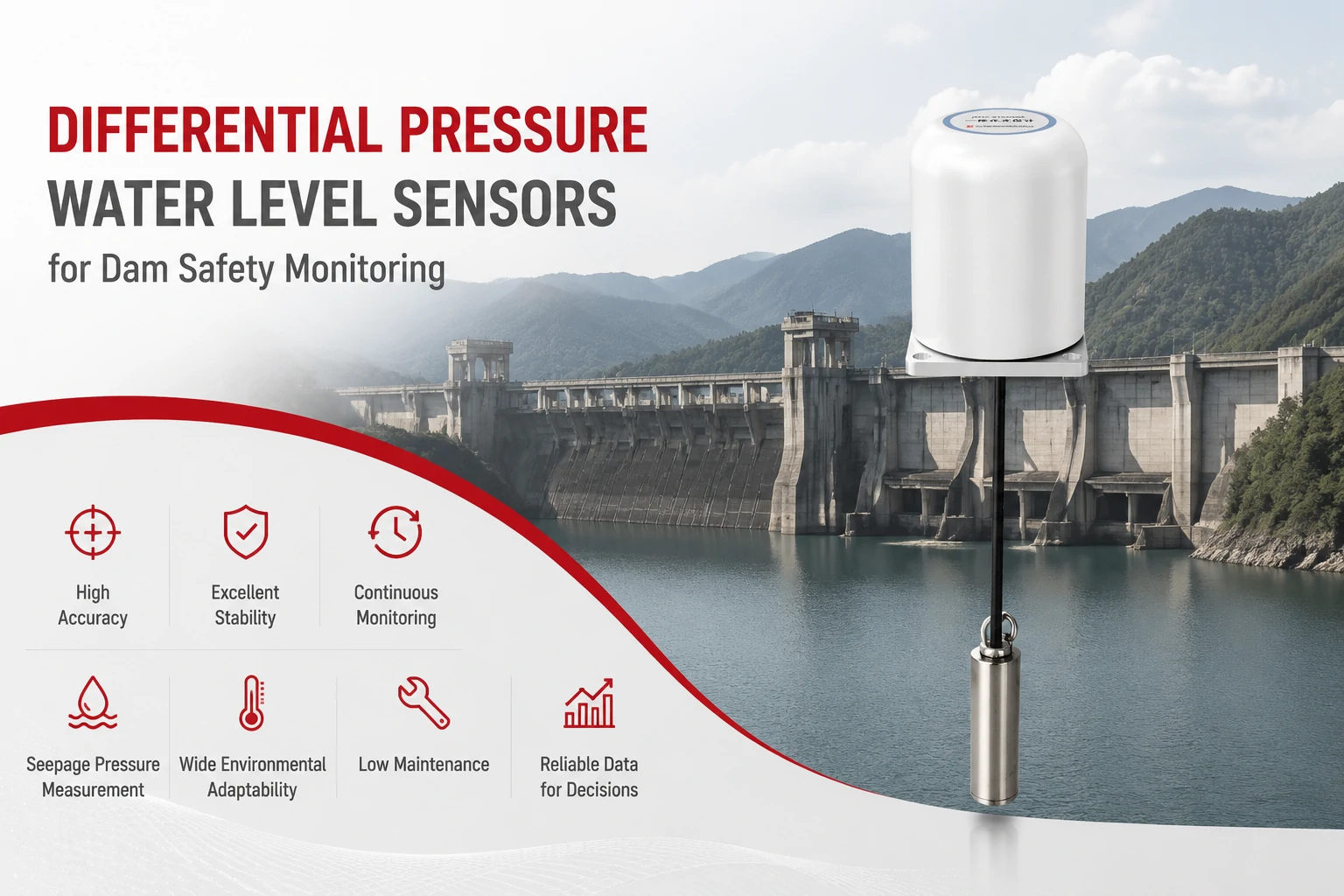
Key Takeaways The strongest fit is usually a confined, submerged, or s...
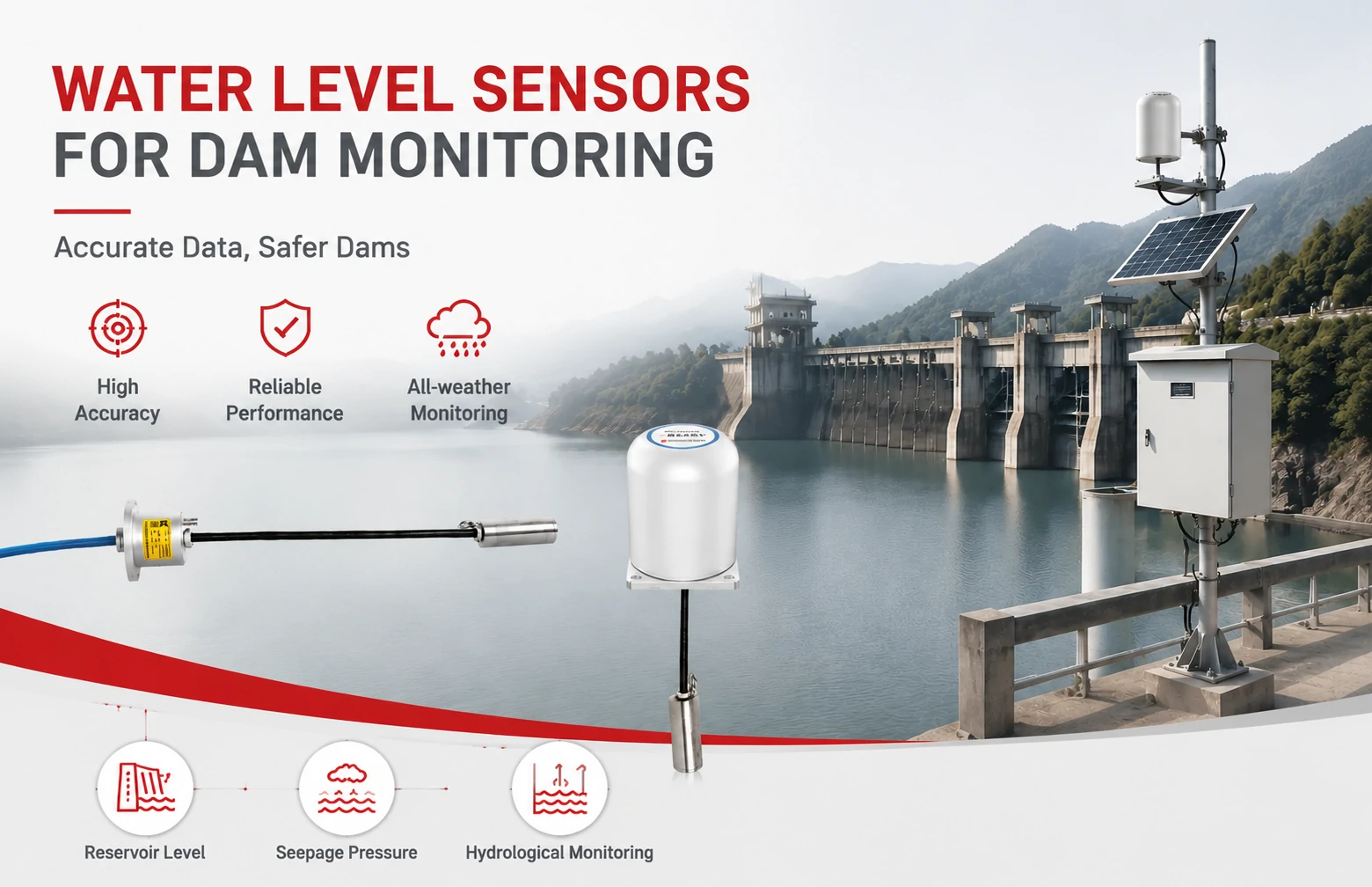
Kingmach Water Level Sensors for Dam Monitoring: A Buyer's Guide to Differential Pre...
Products
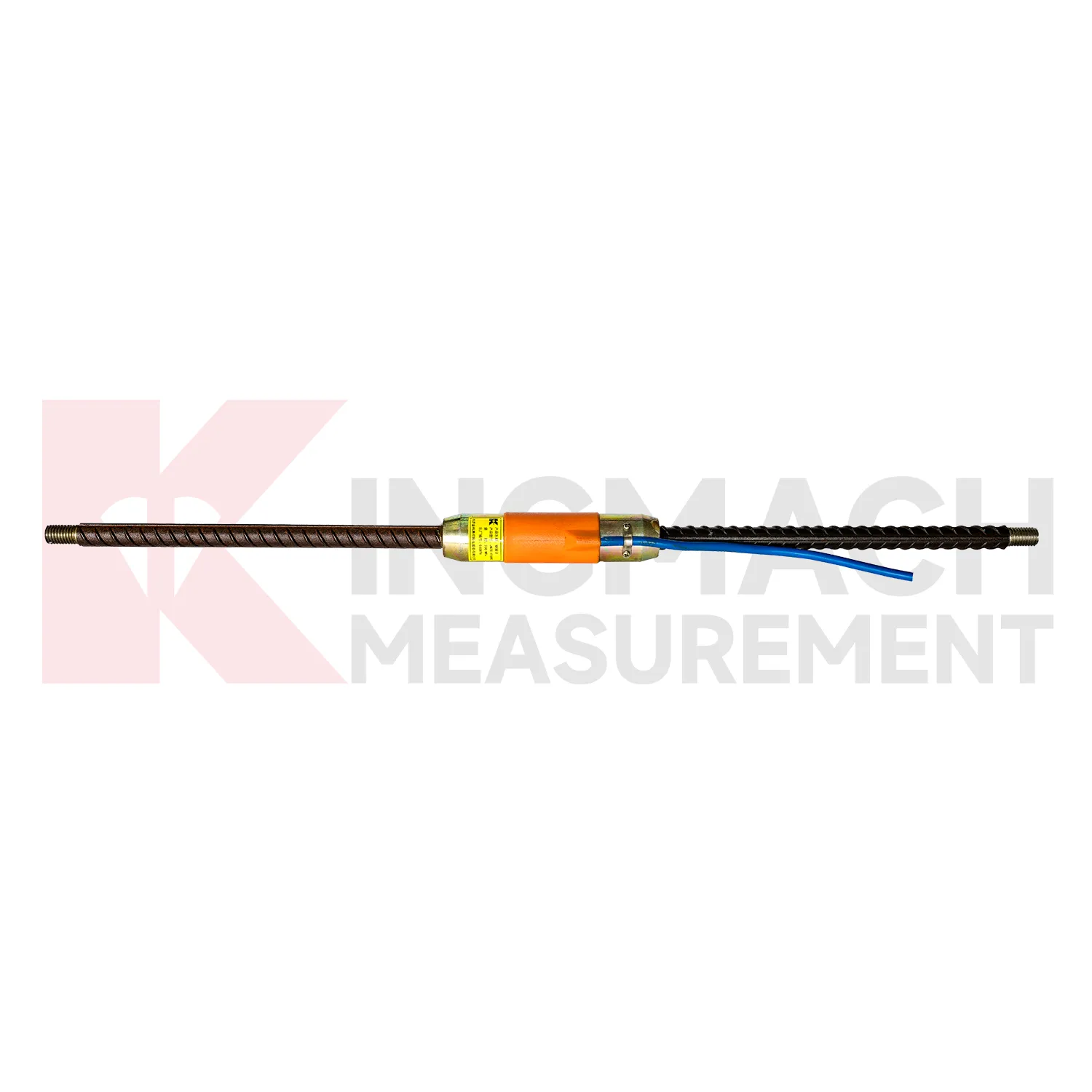
Rebar Strainmeters ( VW & Smart Type) JMZX-4XXHAT/HB
View Details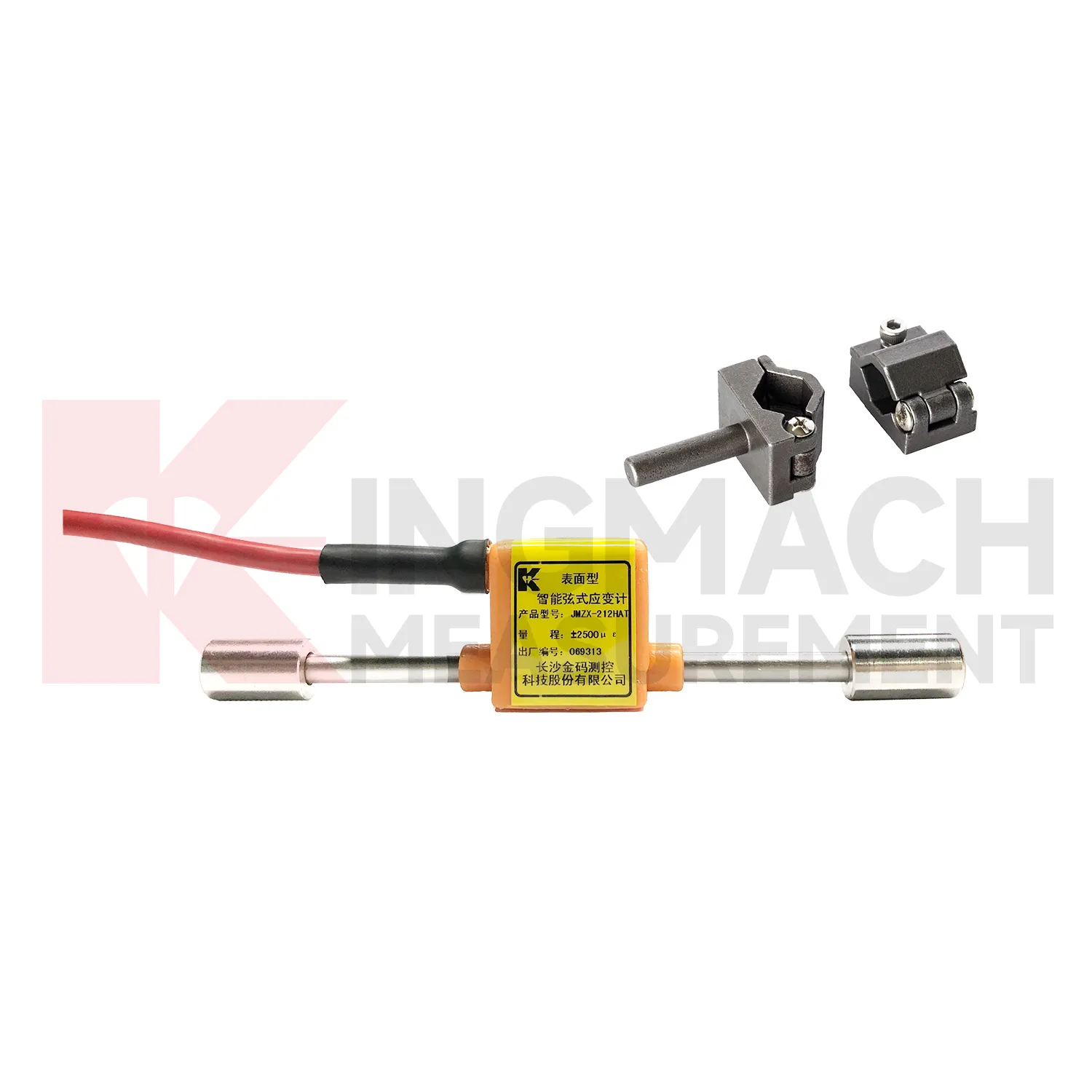
Smart vibrating wire strain gauge (surface model) JMZX-212HAT/HB
View Details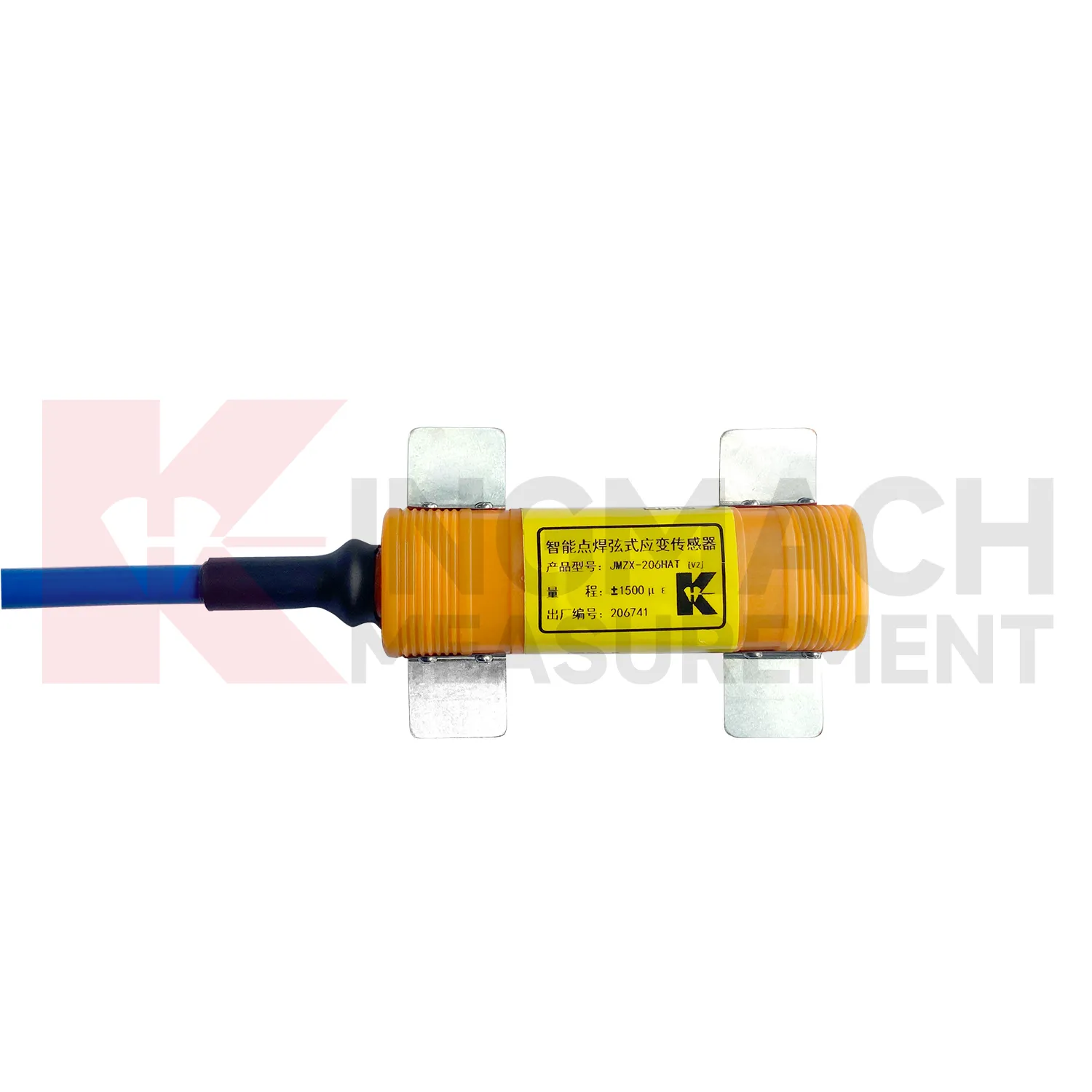
Smart vibrating wire strain gauge (surface welded model) JMZX-206HAT
View DetailsFAQ
For concrete dams, vibrating wire strain gauges are often the preferred choice. They offer excellent long-term stability because the frequency-based signal isn’t affected by cable resistance changes, which can be a problem with resistive gauges over decades. Kingmach’s vibrating wire gauges are built with a robust steel body and come with integrated thermistors for temperature correction. We also match the gauge’s stiffness to the concrete mix so that the readings accurately reflect strain in the structure, not just the sensor’s own behavior.
Absolutely. Customization is a core part of what we do. We’ve supplied gauges with non-standard bolt patterns for irregular steel beams, extended cables for deep borehole installations, and even installed gauges inside prefabricated housings that the client welded on before we shipped. Just send us a sketch or a photo of your mounting surface, and our engineers will suggest a configuration that fits without compromising the sensor’s performance.
Temperature compensation is essential because both the structure and the gauge itself expand with heat. Most Kingmach strain gauges include a built-in thermistor, and our data loggers can automatically apply a correction factor if you input the material’s coefficient of thermal expansion. For the most critical applications, we also offer dummy gauges that can be connected in a Wheatstone bridge configuration to cancel out thermal output directly at the hardware level.
We don’t disappear after the sale. Depending on the project, we offer remote support for initial setup, on-site commissioning if needed, and troubleshooting via video call. Our team has helped clients interpret noisy data, troubleshoot grounding loops, and even guide them through waterproofing connections in a trench during a rainstorm. You’re not just buying a sensor—you’re getting access to engineers who actually understand field conditions.
Stability comes from design and calibration. We age our gauges through thermal cycling before calibration to reduce early drift, and we calibrate each sensor individually against a traceable reference. Our calibration reports include the gauge factor over the full measurement range, not just a single point. For vibrating wire units, we also verify the tensioned wire’s frequency stability over a simulated lifespan. Combined with corrosion-resistant materials and full epoxy sealing, these practices help ensure that a gauge installed today will still deliver reliable data in 10 or 20 years.
Share your product type, target capacity, and application requirements. Our team can review the details and recommend a practical next step.
Related Keywords
If you are interested in our products or want to become our partner.
Please leave your contact information, our team will contact you as soon as possible.
Mail: [email protected]
Contact Us: +8613808434127
Address: No. 188 Tongzipo West Rd, Changsha, Hunan, China