
 EN
EN
 ar
ar bg
bg hr
hr cs
cs da
da nl
nl fi
fi fr
fr de
de el
el hi
hi it
it ko
ko no
no pl
pl pt
pt ro
ro ru
ru es
es sv
sv tl
tl iw
iw id
id lv
lv lt
lt sr
sr sk
sk sl
sl uk
uk vi
vi et
et hu
hu th
th tr
tr fa
fa ms
ms hy
hy ka
ka ur
ur bn
bn mn
mn ta
ta kk
kk uz
uz ku
ku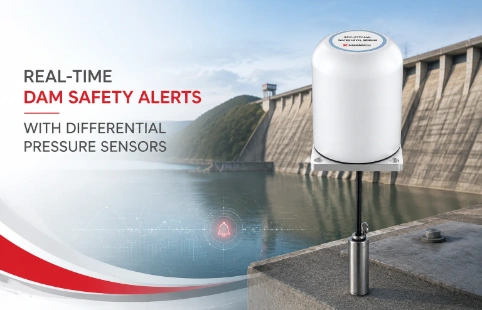
Real-Time Dam Safety Alerts with Differential Pressure Water Level Sensors
Key Takeaways An alert chain needs more than a sensor: define field in...

Tiltmeters for Reliable Deformation Monitoring
Monitoring tiny angular changes in a retaining wall, a dam, or a historic façade isn’t about ticking boxes on a checklist. It’s about catching the early signs of instability before they turn into bigger problems. Tiltmeters sit at the core of that early warning system. Whether you’re tracking slope movement along a highway cut or keeping tabs on a tunnel’s convergence, reliable tilt data gives you a clear picture of what’s moving—and how fast. Kingmach understands that no two sites are the same. That’s why our range spans from simple, cost-effective beam sensor tiltmeters for broad-area coverage to high-accuracy electrolytic or MEMS-based units for sub-arc-second precision. With a background in geotechnical instrumentation and a catalogue that covers everything from in-place inclinometers to full monitoring systems, we help you pick the right tiltmeter for the job. Custom mounting brackets, extended cable lengths, or special output signals? We sort those out without making every order a custom engineering project. The goal is straightforward: get you reliable, repeatable tilt measurement data that you can trust, backed by people who know the instruments inside out.
Technical Detail
Tiltmeters measure angular rotation relative to gravity—usually in degrees, arc-minutes, or arc-seconds. The technology inside varies with the application. For broad, low-cost monitoring of slopes or embankments, vibrating wire or MEMS beam sensors often do the job, connecting dozens of nodes along a line. When you need higher resolution—say for dam buttresses or pile load tests—electrolytic tiltmeters or servo-accelerometer-based units deliver stability down to microradians. At Kingmach, we build and supply tiltmeters that cover this whole spectrum. Our product line includes portable tilt plates for manual spot checks, in-place beam sensors for long-term installations, and compact single–axis or biaxial tiltmeters for tight spots like tunnel linings or machine foundations. Most can be integrated with automated data loggers, wireless nodes, or your existing SCADA setup. Because we’re a specialist geotechnical instrument manufacturer, not just a reseller, we can tweak designs to match your project—longer cables, different mounting hardware, IP68 sealing—without losing the consistency that batch production brings. That matters when you’re buying fifty units for a site and need them all to behave the same way. We ship globally from our facility, with technical support available before and after installation. No matter if you’re a contractor on a six-month job or an engineering consultant specifying instruments for a decade-long monitoring programme, we keep the focus on delivering tiltmeters that work as expected, every time.
News
Key Takeaways An alert chain needs more than a sensor: define field in...
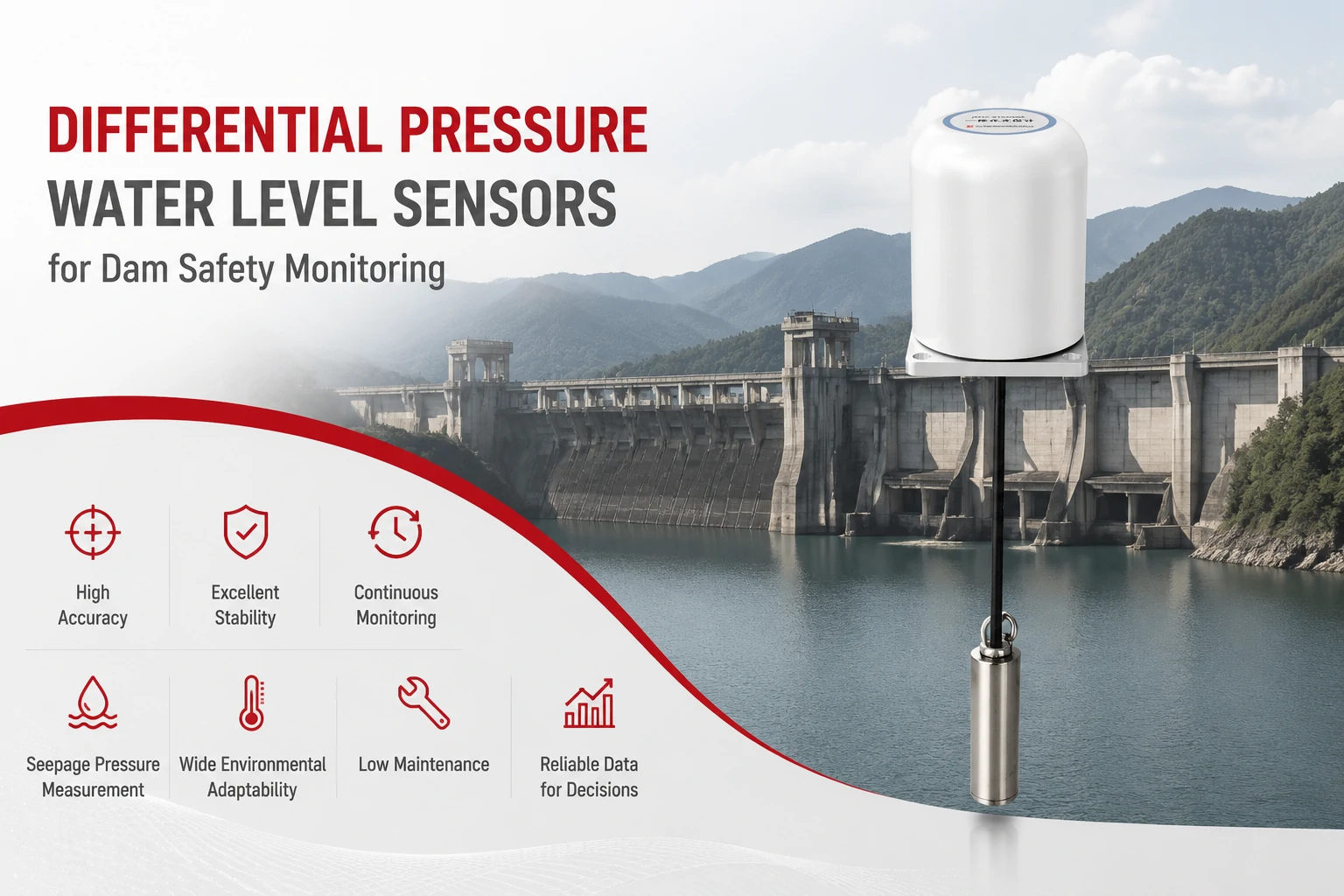
Key Takeaways The strongest fit is usually a confined, submerged, or s...
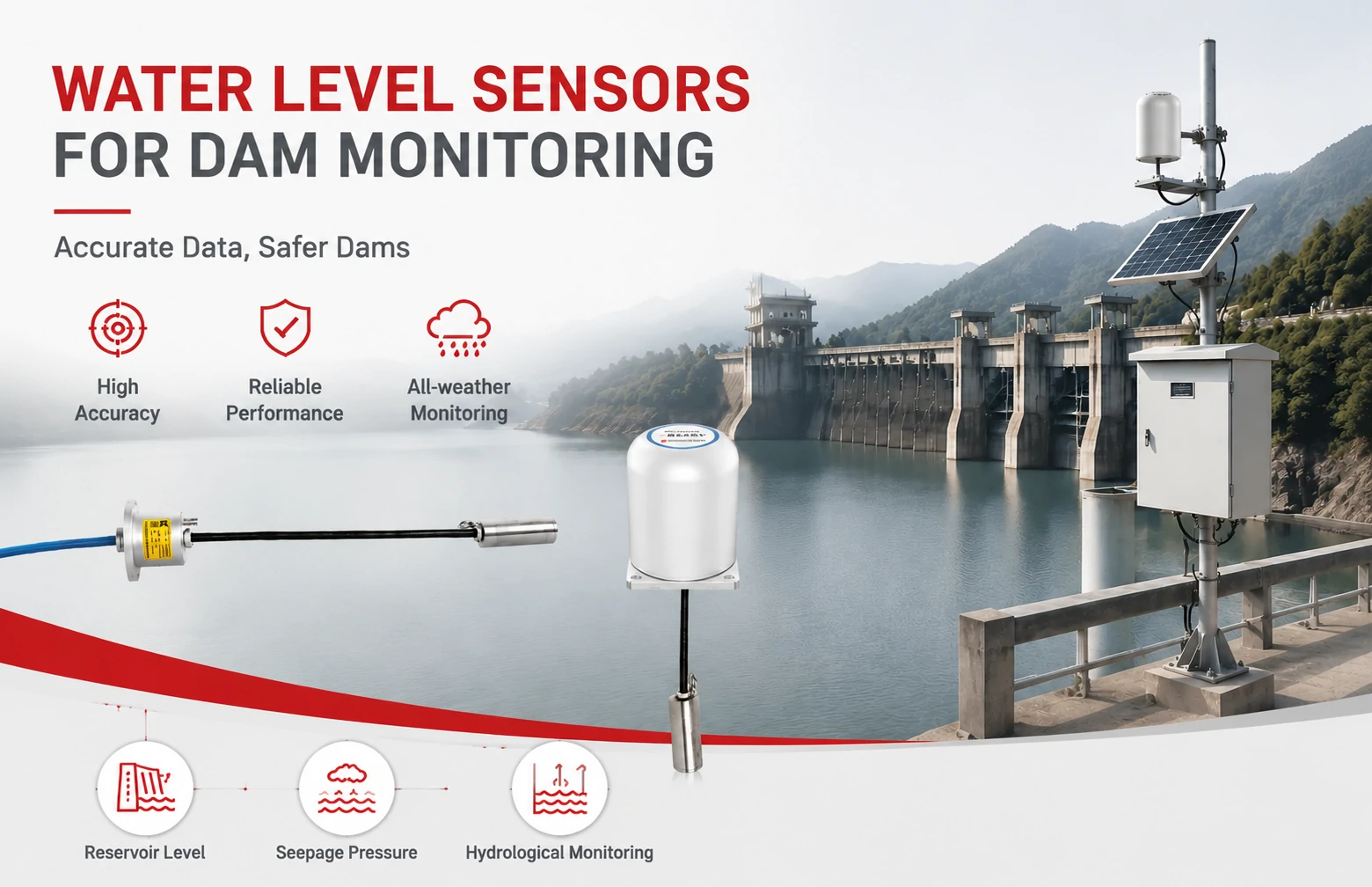
Kingmach Water Level Sensors for Dam Monitoring: A Buyer's Guide to Differential Pre...
Products
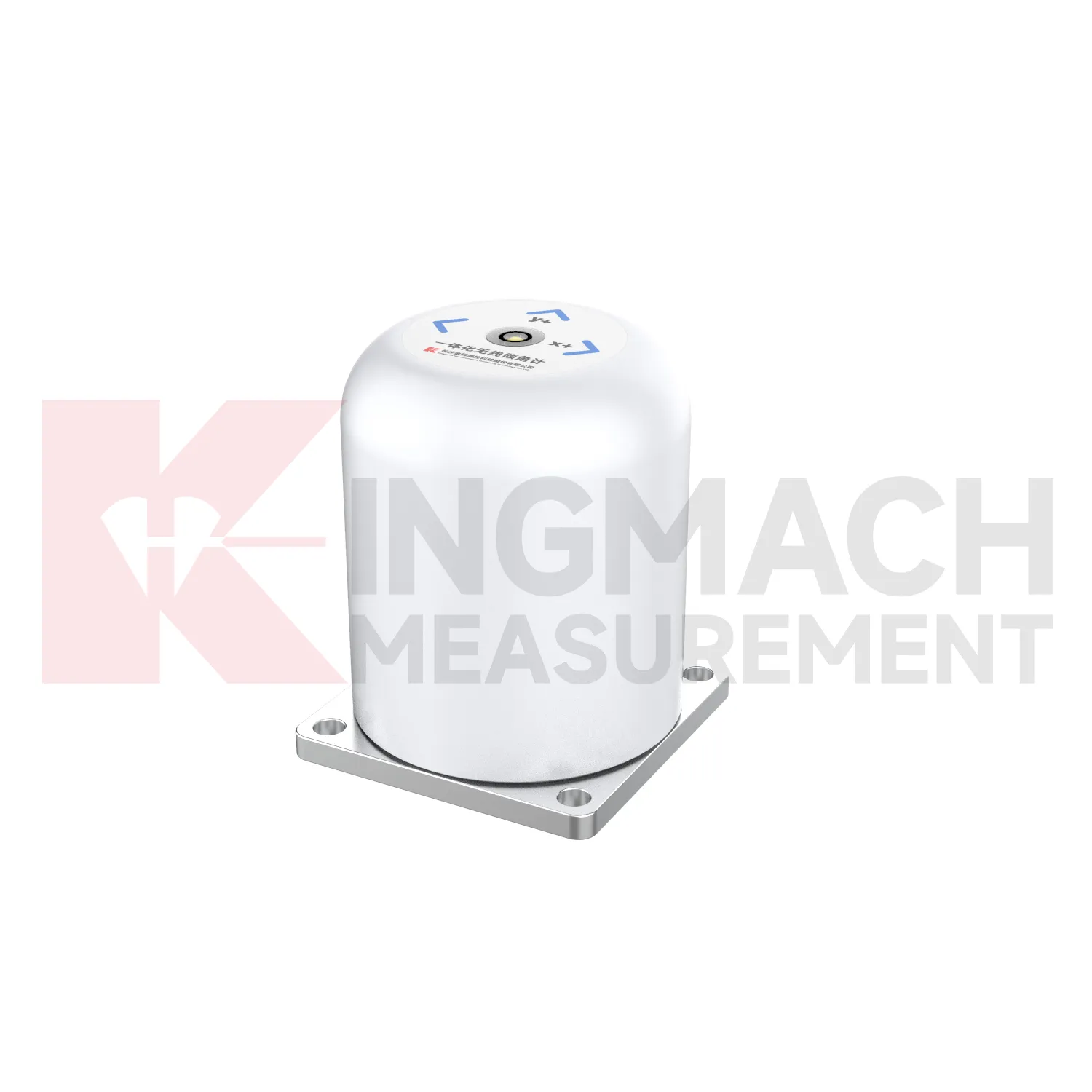
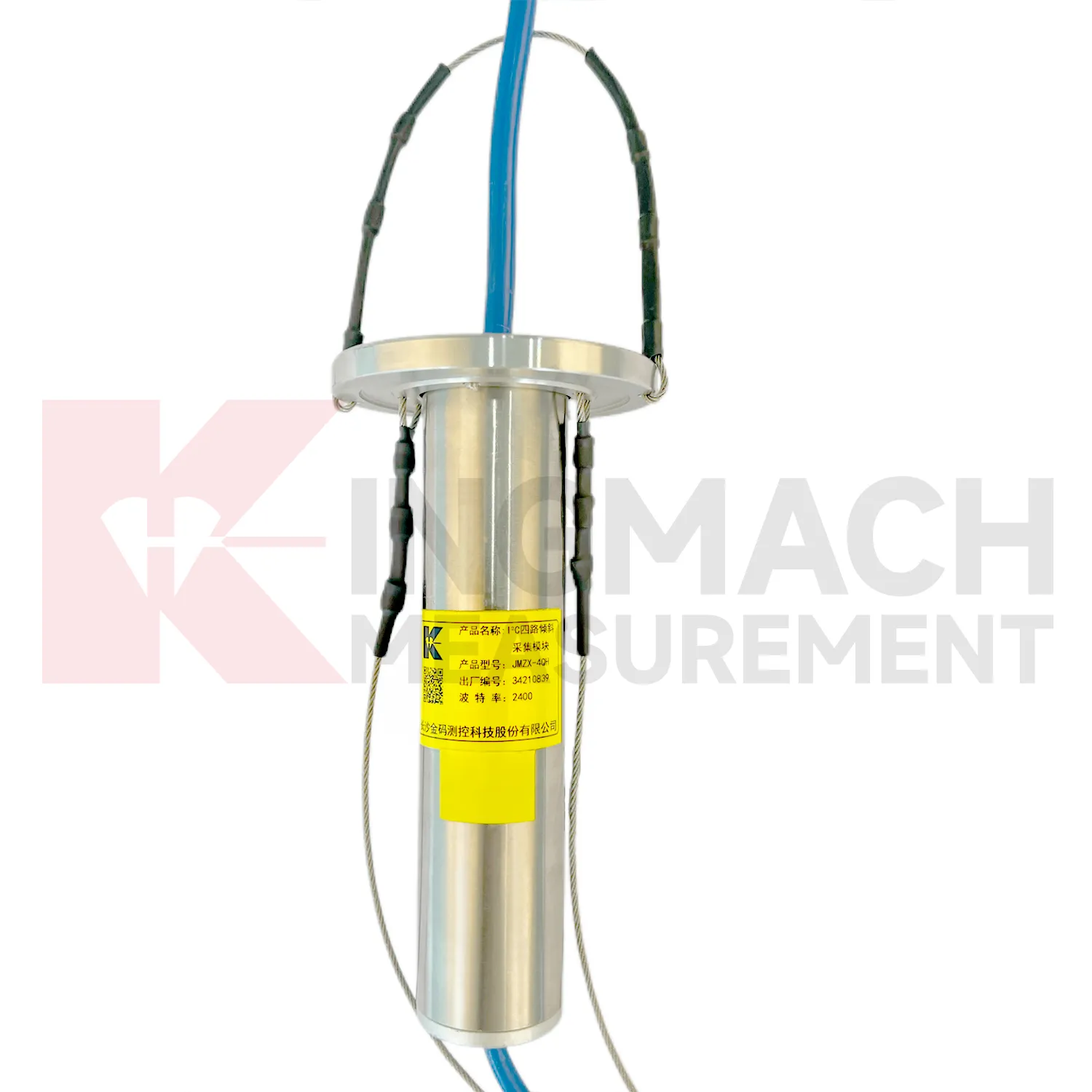
I²C 4-Channel Inclination Acquisition Module JMZX-4QH
View Details
FAQ
It comes down to resolution and long-term stability needs. MEMS tiltmeters are robust and cost-effective, typically resolving down to a few arc-seconds, which works fine for many structural applications. Electrolytic tiltmeters can reach sub-arc-second resolution and exhibit very low drift over years, making them a better fit when you’re tracking micro-rotations in dams or performing precise levelling. Our engineers can look at your spec and suggest which technology makes sense—no hard sell.
Yes. Most of our in-place tiltmeters output a standard 4–20 mA, RS-485, or voltage signal, so they connect easily to most off-the-shelf data loggers and wireless nodes. If you tell us which system you’re using, we can supply the unit with the correct connector and cable configuration, or even pre-configure the output range to match your logger’s input.
Common changes like non-standard cable lengths, different mounting brackets, or specific IP ratings are usually handled at no extra cost on reasonable quantities. More involved modifications—like a custom measurement range or special housing material—go through a quick engineering review. We try to keep custom instruments affordable because we do the R&D and assembly in-house.
For short-term jobs, a portable tilt plate can be a practical choice—you bond stainless steel plates onto the structure and take manual readings with a portable readout unit. It’s low-cost, no cabling, and you only pay for readings when you need them. If you want some automation, a simple MEMS beam sensor with a low-power wireless node will push data to your phone. Either way, we can help you keep the budget in check.
We provide detailed installation manuals and can walk your team through the process over a video call. For larger projects, our regional partners can often arrange on-site commissioning. We’ve found that most issues come down to proper mounting and electrical protection, so we spend time making sure that part is clear before you start.
Share your product type, target capacity, and application requirements. Our team can review the details and recommend a practical next step.
If you are interested in our products or want to become our partner.
Please leave your contact information, our team will contact you as soon as possible.
Mail: [email protected]
Contact Us: +8613808434127
Address: No. 188 Tongzipo West Rd, Changsha, Hunan, China