
 EN
EN
 ar
ar bg
bg hr
hr cs
cs da
da nl
nl fi
fi fr
fr de
de el
el hi
hi it
it ko
ko no
no pl
pl pt
pt ro
ro ru
ru es
es sv
sv tl
tl iw
iw id
id lv
lv lt
lt sr
sr sk
sk sl
sl uk
uk vi
vi et
et hu
hu th
th tr
tr fa
fa ms
ms hy
hy ka
ka ur
ur bn
bn mn
mn ta
ta kk
kk uz
uz ku
ku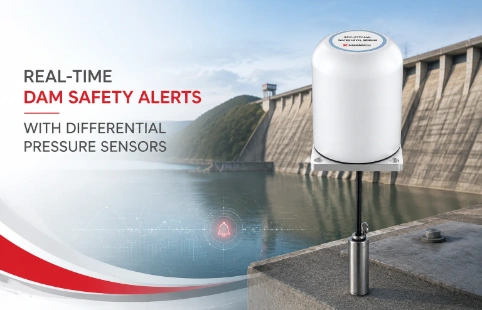
Real-Time Dam Safety Alerts with Differential Pressure Water Level Sensors
Key Takeaways An alert chain needs more than a sensor: define field in...

Tipping Rain Bucket Gauge: Reliable Rainfall Measurement
Rainfall data shapes decisions in everything from irrigation scheduling to flood forecasting. A tipping rain bucket gauge remains one of the simplest yet most dependable ways to capture that data. It works by collecting water in a small bucket that tips once it reaches a set volume, sending a pulse with each tip. This straightforward mechanism means fewer components that can drift or fail. Kingmach, a manufacturer of geotechnical instruments, supplies these gauges for projects ranging from agricultural weather stations to urban drainage studies. The focus is on consistency and ease of integration—most models output a simple switch closure signal that data loggers or PLCs read without hassle. No complex calibration routines, no delicate sensors that need constant attention. In many installations, a tipping rain bucket gauge runs for years with just a quick field check to remove debris.
Technical Detail
The tipping rain bucket gauge from Kingmach uses a proven two-bucket mechanism. Rain fills one side until it balances at a pre-set volume—commonly 0.1 mm or 0.2 mm per tip—then pivots, sending a magnetic switch signal. That signal corresponds to a known rainfall increment, so recording it over time gives total and intensity data. The design avoids electronics in the wet section, which reduces corrosion risk and makes field checks straightforward. Construction is typically stainless steel with an outer housing that shields the mechanism from wind and splashing. A leaf screen at the funnel keeps out most debris, and the base plate has adjustable feet for leveling on uneven ground. These details matter when the gauge sits outdoors for years, sometimes in remote watersheds or agricultural fields. Kingmach positions this instrument for organizations that need practical, mid-range equipment. You get the essential function—accurate tipping count—without paying for laboratory-grade extras you may not need. Customization covers resolution choice, signal output (reed switch, relay, or even 4–20 mA converters), and mounting brackets for different installations. The company also stocks parts like replacement buckets and screens, so upkeep doesn’t become a procurement headache. In terms of integration, the gauge connects to most data loggers, single-board computers, or PLCs because the signal is just a dry contact closure. That simplicity extends to software: no proprietary protocol, just count the pulses. If your project requires Modbus or SDI-12 output, Kingmach can integrate those interfaces. After-sales support includes technical guidance for installation angles, recommended maintenance intervals, and advice on data validation. Distributors in several regions keep delivery times short, and the engineering team can tweak dimensions or materials if a project spec demands it. Overall, it’s a workhorse rain gauge built for consistent daily use rather than occasional lab demonstrations.
News
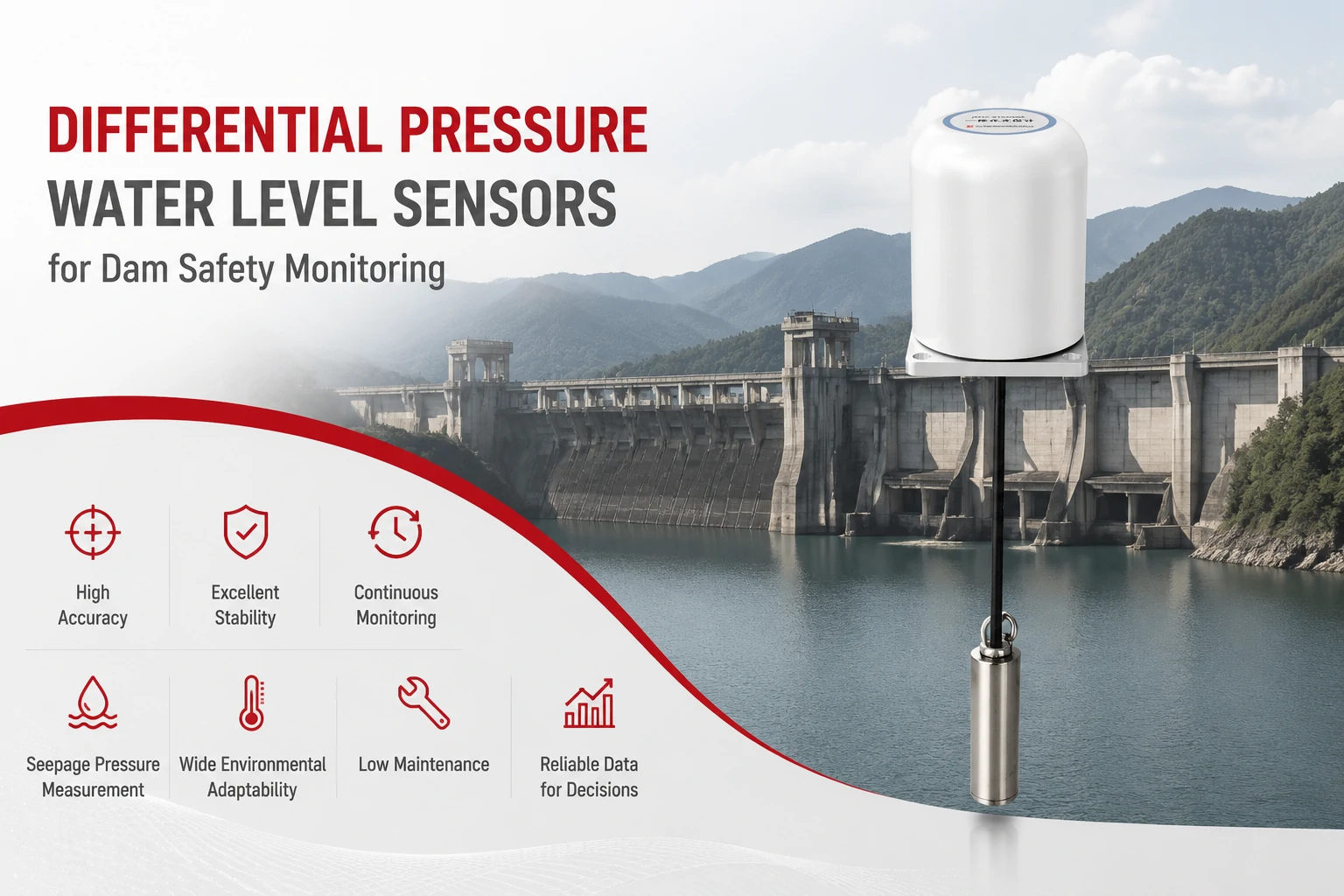
Key Takeaways An alert chain needs more than a sensor: define field in...
Key Takeaways The strongest fit is usually a confined, submerged, or s...
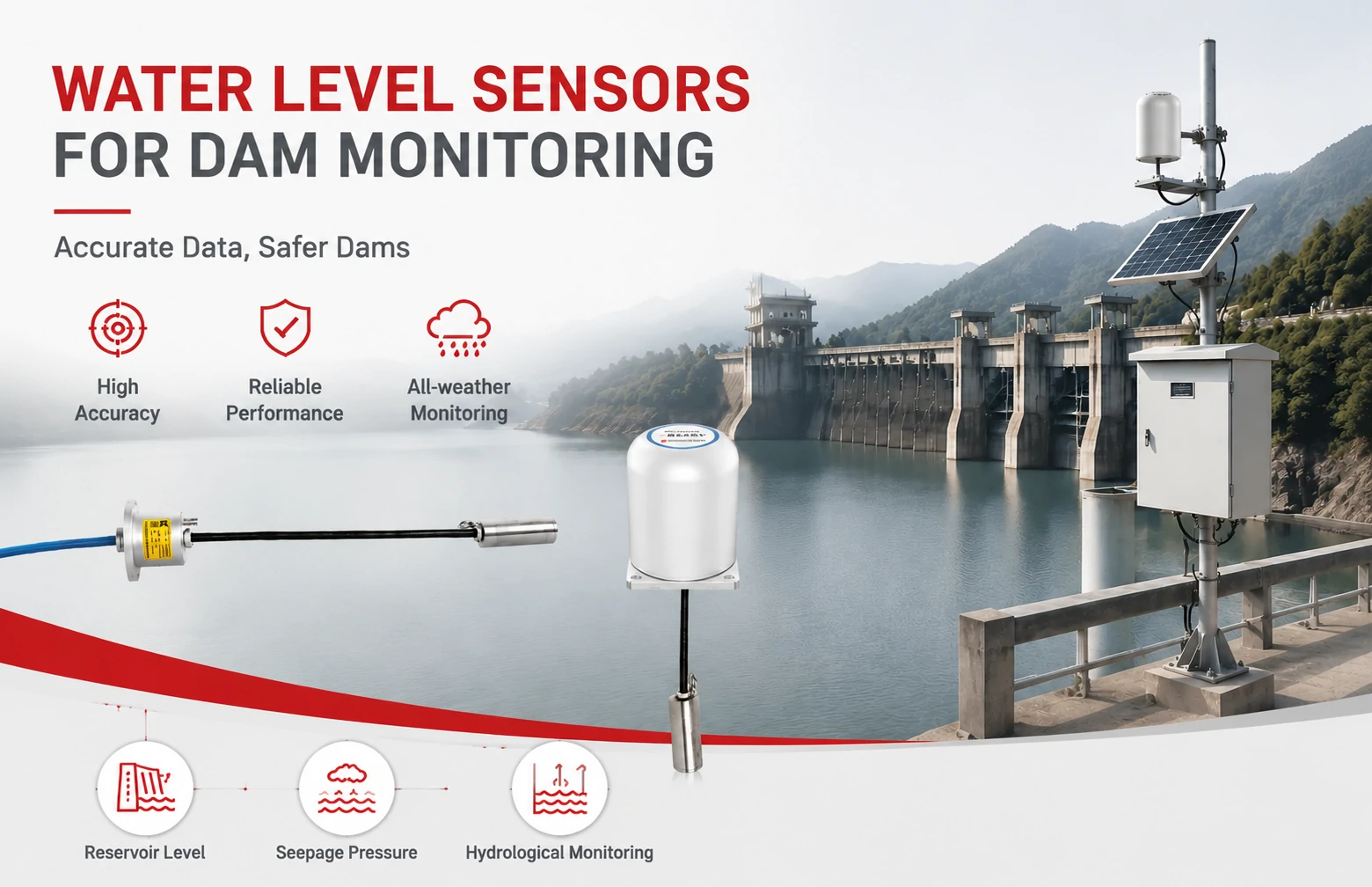
Kingmach Water Level Sensors for Dam Monitoring: A Buyer's Guide to Differential Pre...
Products
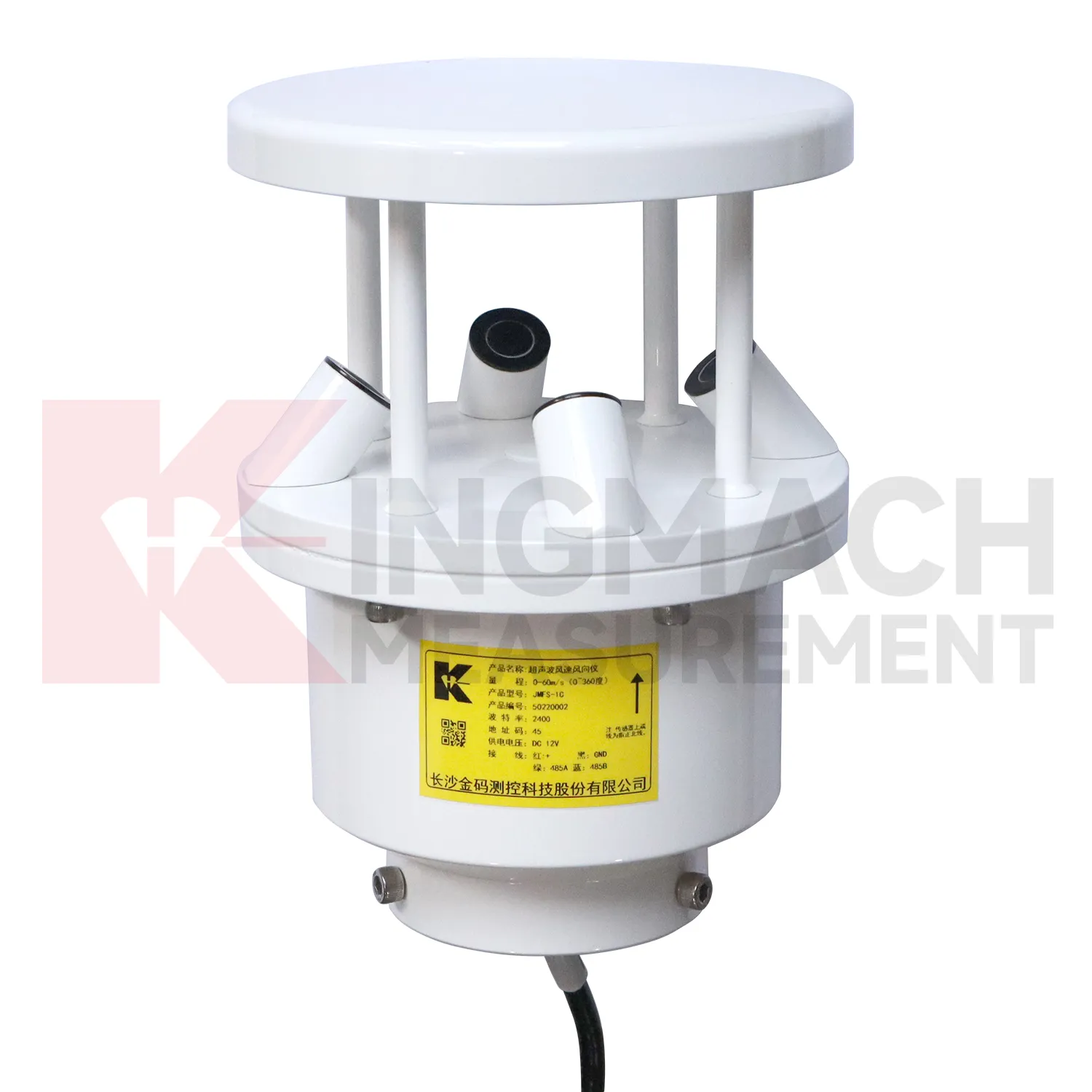
Ultrasonic Wind Speed and Direction Sensor JMFS-1C
View Details
FAQ
The accuracy depends mainly on the bucket mechanism and resolution. A 0.1 mm resolution can deliver around ±2% at rain rates below 50 mm/h, but intense rainfall may cause slight under-catch due to bucket tipping lag. Regular cleaning and leveling keep it within spec.
Most tipping bucket gauges provide a simple switch closure (reed switch) signal. As long as your logger or PLC can count dry contact closures or voltage pulses, it will work. Kingmach can also supply signal conditioning modules if you need a 4–20 mA or digital interface.
Check the funnel and leaf screen monthly. Remove debris, rinse with water if needed, and make sure the buckets move freely. A quick test pour with a known water volume verifies calibration. Once a year, inspect the magnetic switch and wiring.
For rainfall intensity tracking or agricultural monitoring, 0.2 mm is typical. Hydrological stations often use 0.5 mm if record granularity isn’t critical but high capacity is needed. Urban flood monitoring might prefer 0.1 mm for finer data. Kingmach can advise on the best fit for your rain climate and project goals.
Share your product type, target capacity, and application requirements. Our team can review the details and recommend a practical next step.
If you are interested in our products or want to become our partner.
Please leave your contact information, our team will contact you as soon as possible.
Mail: [email protected]
Contact Us: +8613808434127
Address: No. 188 Tongzipo West Rd, Changsha, Hunan, China