
 EN
EN
 ar
ar bg
bg hr
hr cs
cs da
da nl
nl fi
fi fr
fr de
de el
el hi
hi it
it ko
ko no
no pl
pl pt
pt ro
ro ru
ru es
es sv
sv tl
tl iw
iw id
id lv
lv lt
lt sr
sr sk
sk sl
sl uk
uk vi
vi et
et hu
hu th
th tr
tr fa
fa ms
ms hy
hy ka
ka ur
ur bn
bn mn
mn ta
ta kk
kk uz
uz ku
ku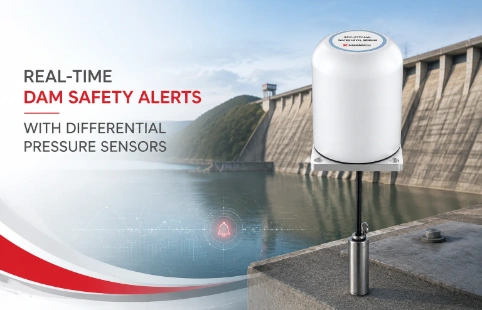
Real-Time Dam Safety Alerts with Differential Pressure Water Level Sensors
Key Takeaways An alert chain needs more than a sensor: define field in...

Wireless Data Loggers That Keep You Connected to the Field
What's the biggest worry in field monitoring? It's not the sensor accuracy—it's the data not coming in when you're back at the office. In geotechnical work, delayed readings on tilt, settlement, or water levels can throw off decisions by hours. That's why more teams are switching to wireless setups. The real question is: how do you pick a logger that won't let you down when you're not on site? Kingmach has been in monitoring long enough to know those pain points. Our wireless data loggers aren't about packing specs into a box. They're built around one job: making sure your sensor data gets back to you, no matter how remote the site. They handle common sensor types—vibrating wire, voltage, current, RS485—and we keep expansion ports open for special project needs. From excavations to slopes, tunnels to dams, the units we ship to dozens of countries all follow that same logic: nail the transmission first, then talk about the rest.
Technical Detail
Inside a Kingmach wireless logger, you'll typically find multi-channel inputs configurable for different sensor types—vibrating wire, 4–20 mA, 0–5 V, and digital RS485 strings. That flexibility means you don't need separate boxes for each sensor family, which cuts down cabling and confusion. Data gets pushed via 4G or LoRa (depending on the model) to a cloud server or local PC. You can check readings on your phone, set alarm thresholds, and export reports without driving to the site. Battery life often stretches to months, helped by low-power design and scheduled wake-ups. Enclosures are rated IP65 or better, so they handle dust, rain, and the odd knock on a construction site. We often customize logging intervals, alarm logic, and even the mounting brackets for clients who run long-term monitoring projects. If your sensors speak a different protocol, we've got an engineering team that can bridge the gap. The result is fewer trips, less missing data, and a clearer picture of what's happening underground or in structures.
News
Key Takeaways An alert chain needs more than a sensor: define field in...
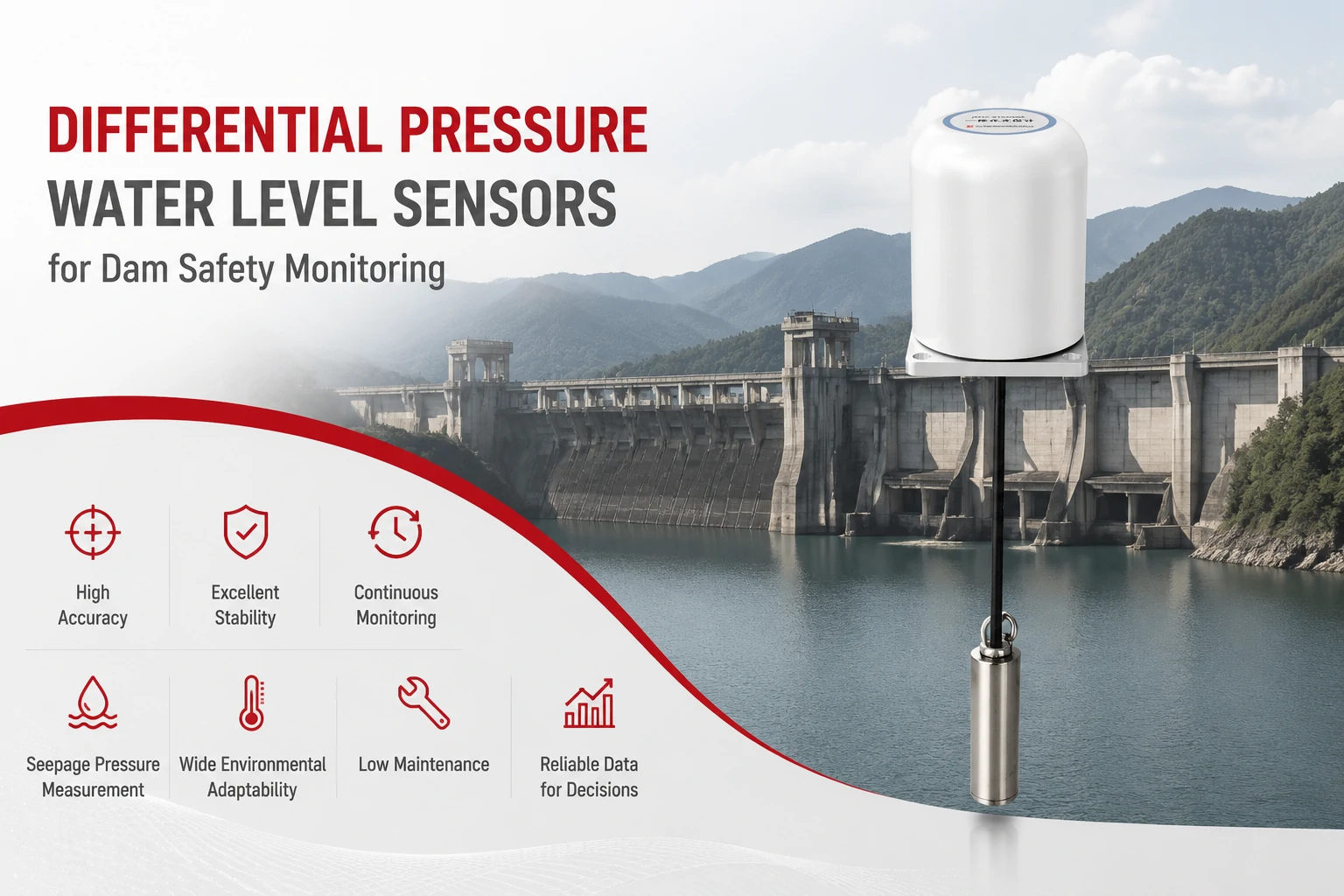
Key Takeaways The strongest fit is usually a confined, submerged, or s...
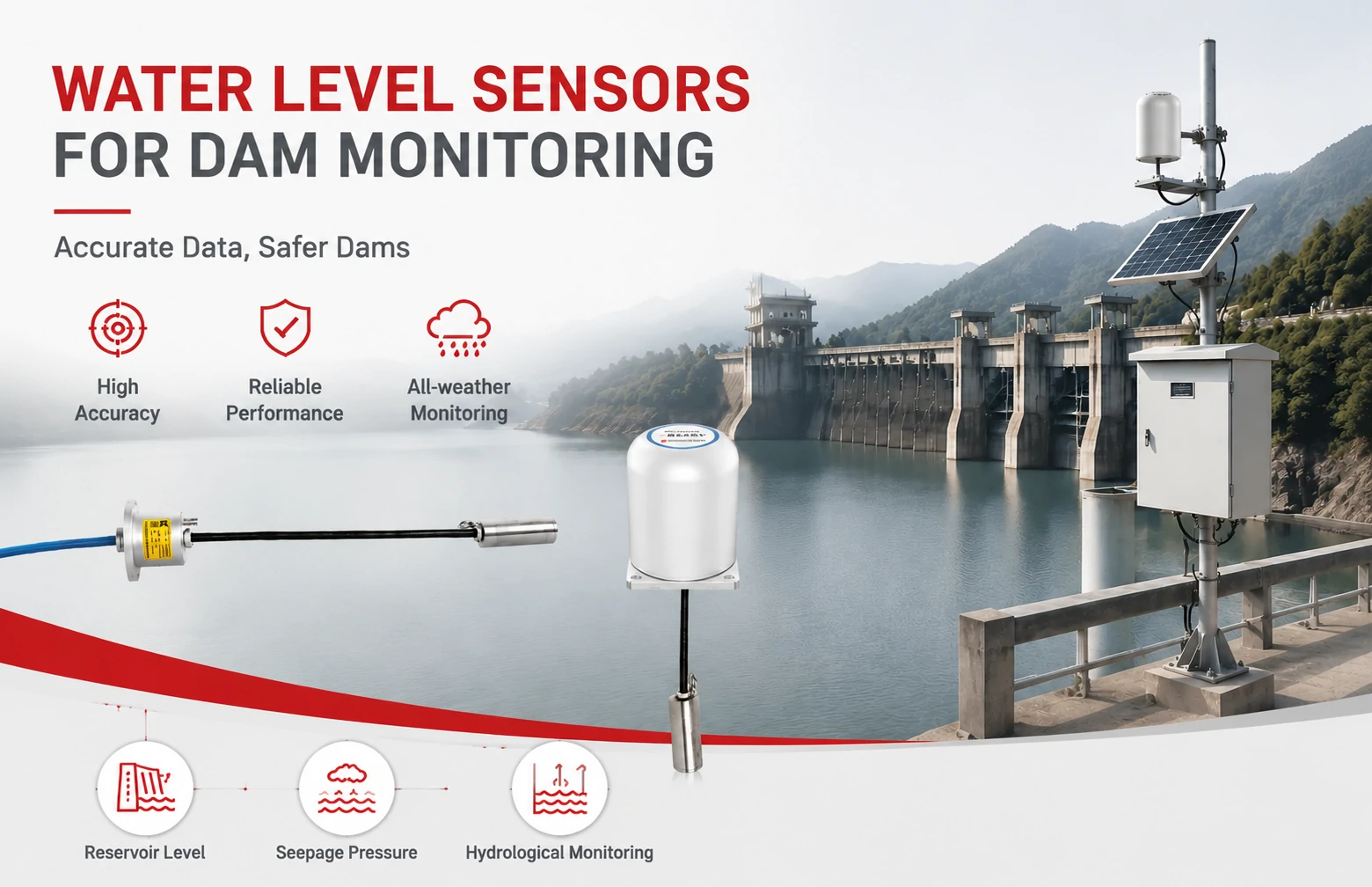
Kingmach Water Level Sensors for Dam Monitoring: A Buyer's Guide to Differential Pre...
Products
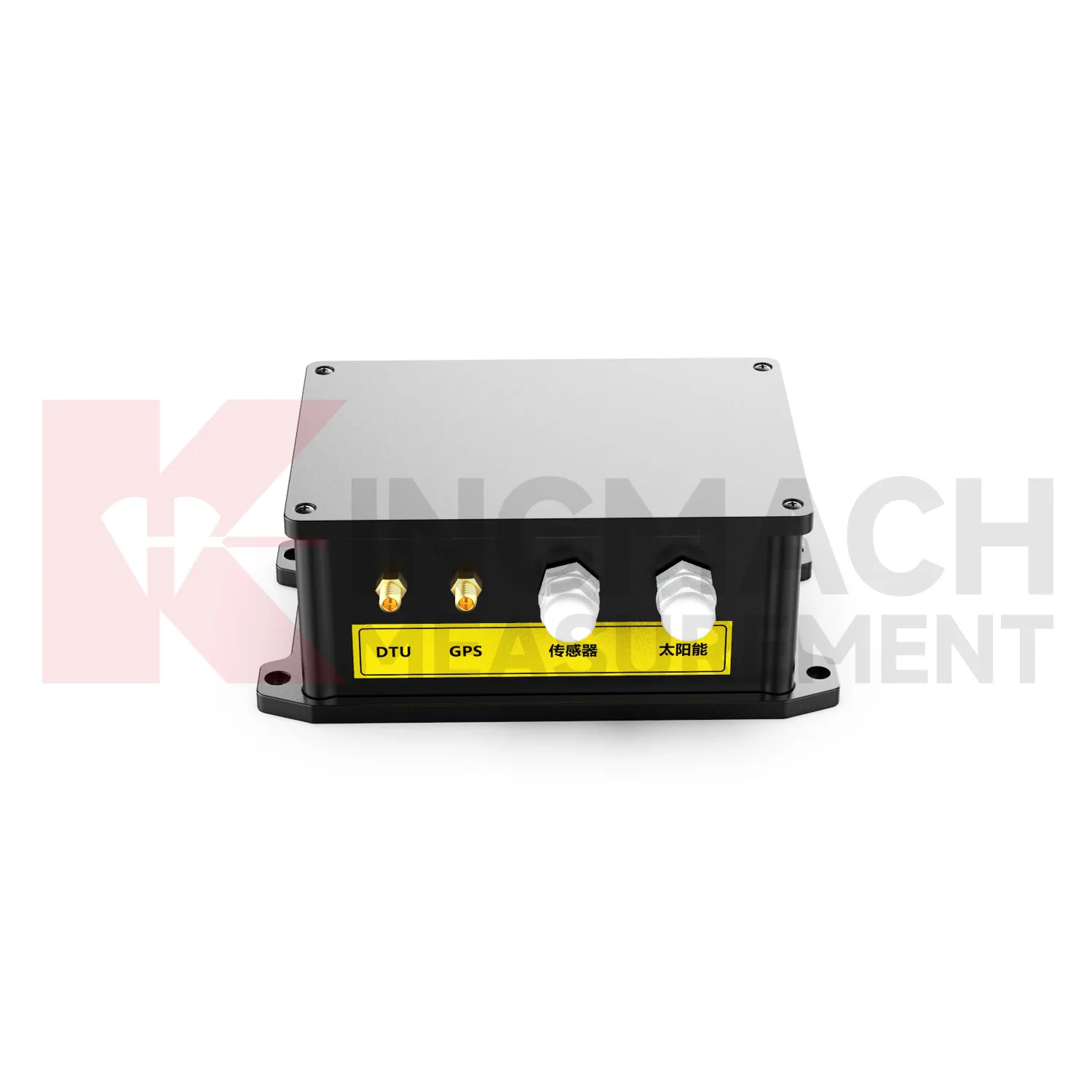
Wireless Data Logger (low power consumption design) JMWX-5RTU
View Details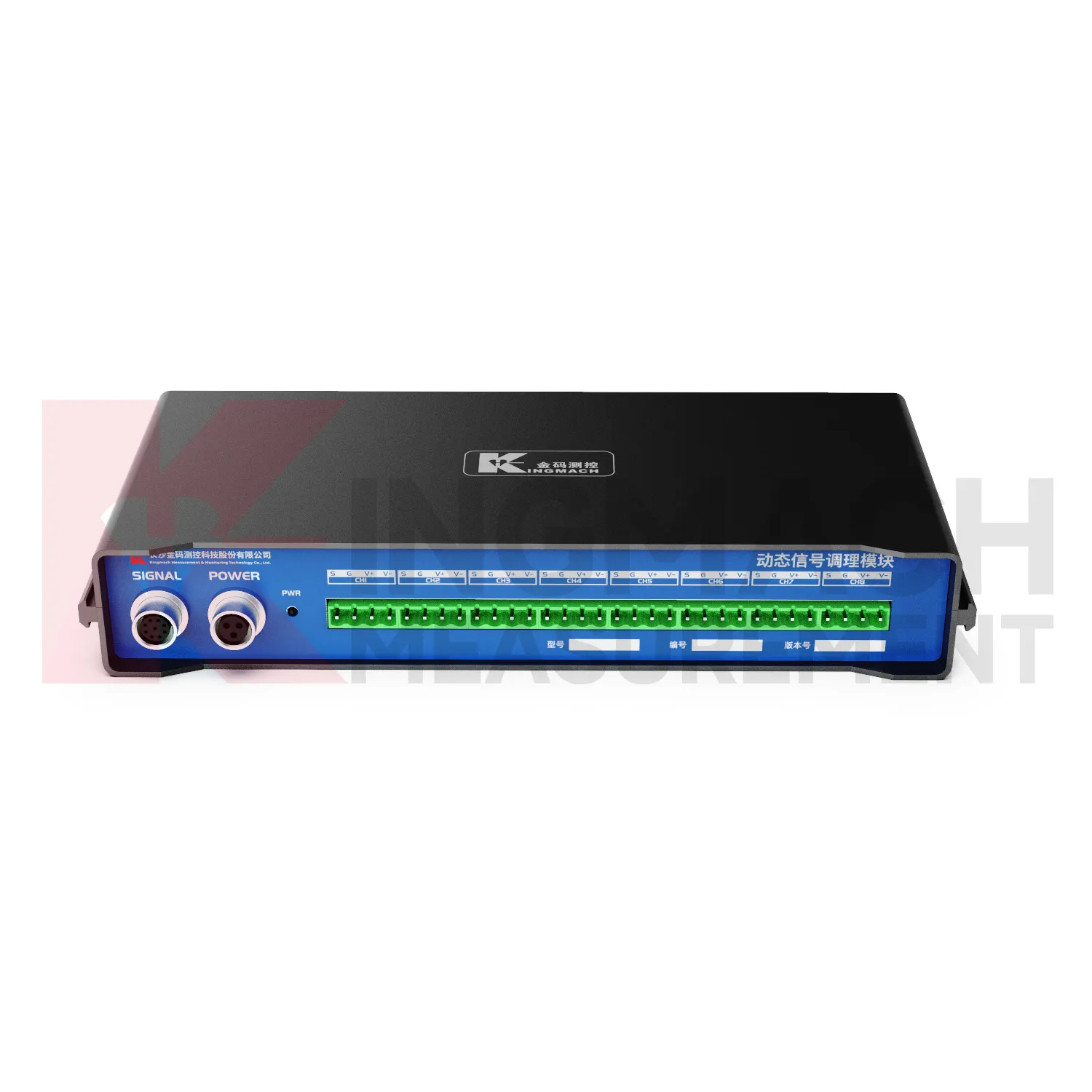
Dynamic signal conditioning moduleJMYD-2008XTA
View Details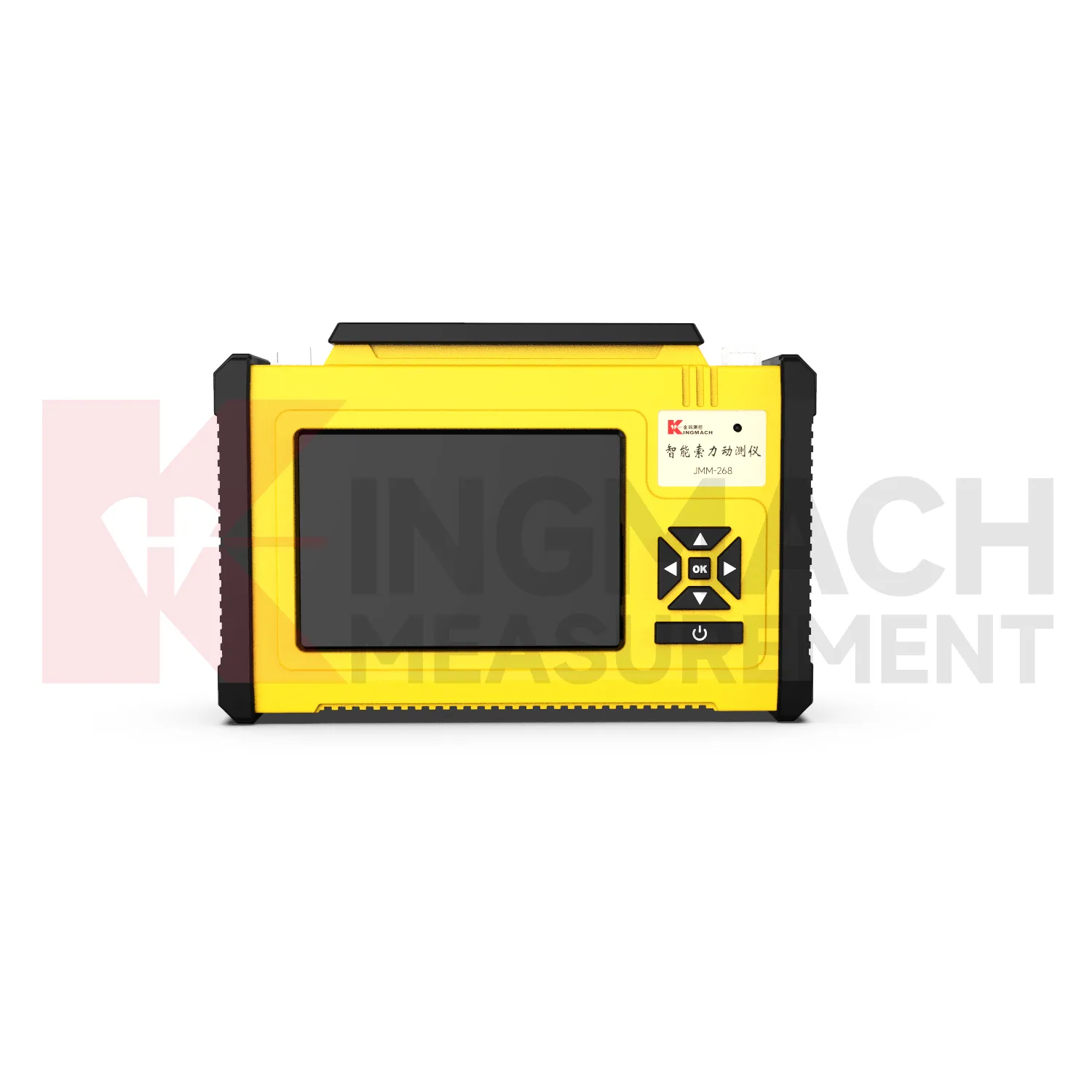
Cable force measuring instrument JMM-268L-1、2
View DetailsFAQ
Typical inputs cover vibrating wire, 4–20 mA current loop, 0–5 V voltage, and RS485 digital sensors. If you have a less common protocol, our engineering team can often develop a custom interface so you don't have to replace existing sensors.
It depends on the module and site conditions. LoRa-based models can cover several kilometers with line of sight, while 4G versions work anywhere with cellular coverage. We'll help you pick the right radio for your site layout.
Absolutely. Most installations pair the logger with a small solar panel and battery. The low-power design keeps consumption low, so solar becomes a practical option even in remote locations without grid power.
Data isn't lost. The logger stores readings in local flash memory and backfills to the server once the connection returns. Storage capacity is typically sized to hold months of data, so a temporary outage won't create gaps in your records.
Yes. We have standard 4, 8, and 16-channel configurations, and multiple units can be networked if you need more. For complex projects, we can design a tailored data acquisition scheme with synchronized timing and centralized management.
Share your product type, target capacity, and application requirements. Our team can review the details and recommend a practical next step.
If you are interested in our products or want to become our partner.
Please leave your contact information, our team will contact you as soon as possible.
Mail: [email protected]
Contact Us: +8613808434127
Address: No. 188 Tongzipo West Rd, Changsha, Hunan, China