
 EN
EN
 ar
ar bg
bg hr
hr cs
cs da
da nl
nl fi
fi fr
fr de
de el
el hi
hi it
it ko
ko no
no pl
pl pt
pt ro
ro ru
ru es
es sv
sv tl
tl iw
iw id
id lv
lv lt
lt sr
sr sk
sk sl
sl uk
uk vi
vi et
et hu
hu th
th tr
tr fa
fa ms
ms hy
hy ka
ka ur
ur bn
bn mn
mn ta
ta kk
kk uz
uz ku
ku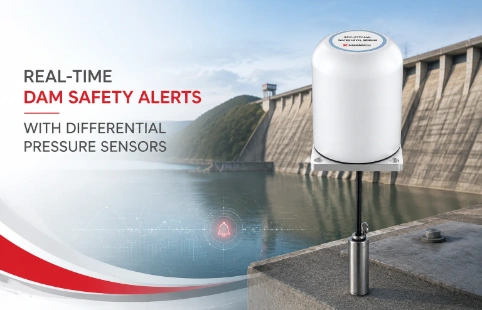
Real-Time Dam Safety Alerts with Differential Pressure Water Level Sensors
Key Takeaways An alert chain needs more than a sensor: define field in...

Inductive Frequency-Modulated Hydrostatic Level Sensor
When a dam monitoring crew noticed their legacy level sensors drifting after heavy rainfall, they started looking for a design that handles temperature shifts and cable lengths without recalibration. The inductive frequency-modulated hydrostatic level sensor addresses exactly that: it converts water pressure into a frequency signal, so electrical resistance along the cable doesn’t degrade the reading. It’s a practical choice for boreholes, reservoirs, and open water where stable, long-term data matters more than flashy specs. Kingmach has been supplying geotechnical instruments for years, and this sensor fits their lineup of dependable, no-nonsense monitoring tools. They build to order – cable lengths, ranges, and output formats – so the sensor matches the site, not the other way around. The inductive element and FM output might sound technical, but the day-to-day benefit is simple: fewer site visits to check connections, less drift, and a signal that works over hundreds of meters of cable. It’s the kind of sensor you install and trust, especially in remote or unmanned stations.
Technical Detail
Inductive frequency-modulated hydrostatic level sensors work by measuring the pressure of the water column above the sensor’s diaphragm. A change in water level compresses a sealed inductive mechanism, shifting the resonant frequency of an LC oscillator. That frequency is transmitted up the cable, so the surface readout only needs to count pulses. Since frequency doesn’t weaken over distance like a 4–20 mA current, cable runs of 300–500 meters are routine without signal boosters. Kingmach supplies these sensors with ceramic or stainless steel diaphragms, depending on the environment. The body is typically 316L stainless, with optional PTFE coating for aggressive water chemistry. A ventilated cable design equalizes atmospheric pressure automatically, so barometric changes don’t show up as water level errors. Standard measurement ranges start at a few meters of water column and go up to tens of meters, with accuracy typically within 0.1% of full scale. Because Kingmach handles final assembly and calibration in-house, custom ranges and cable lengths don’t add the lead time you might expect from a catalog product. In practice, the FM output simplifies logging. Many data loggers can measure frequency directly, or you can use a compact converter to get RS-485 or SDI-12. There’s no need for high-precision analog inputs at the datalogger, which cuts hardware cost on large monitoring networks. Installers appreciate that the sensor doesn’t require field calibration – the factory calibration data is stored in the sensor head or provided as a report, so swapping units takes minutes. Kingmach’s support team can walk you through wiring and data conversion if your telemetry setup is older. For new projects, they suggest a simple test: submerge the sensor in a deep bucket, log the frequency for a few days, and confirm the reading stays within the noise floor. It usually does.
News
Key Takeaways An alert chain needs more than a sensor: define field in...
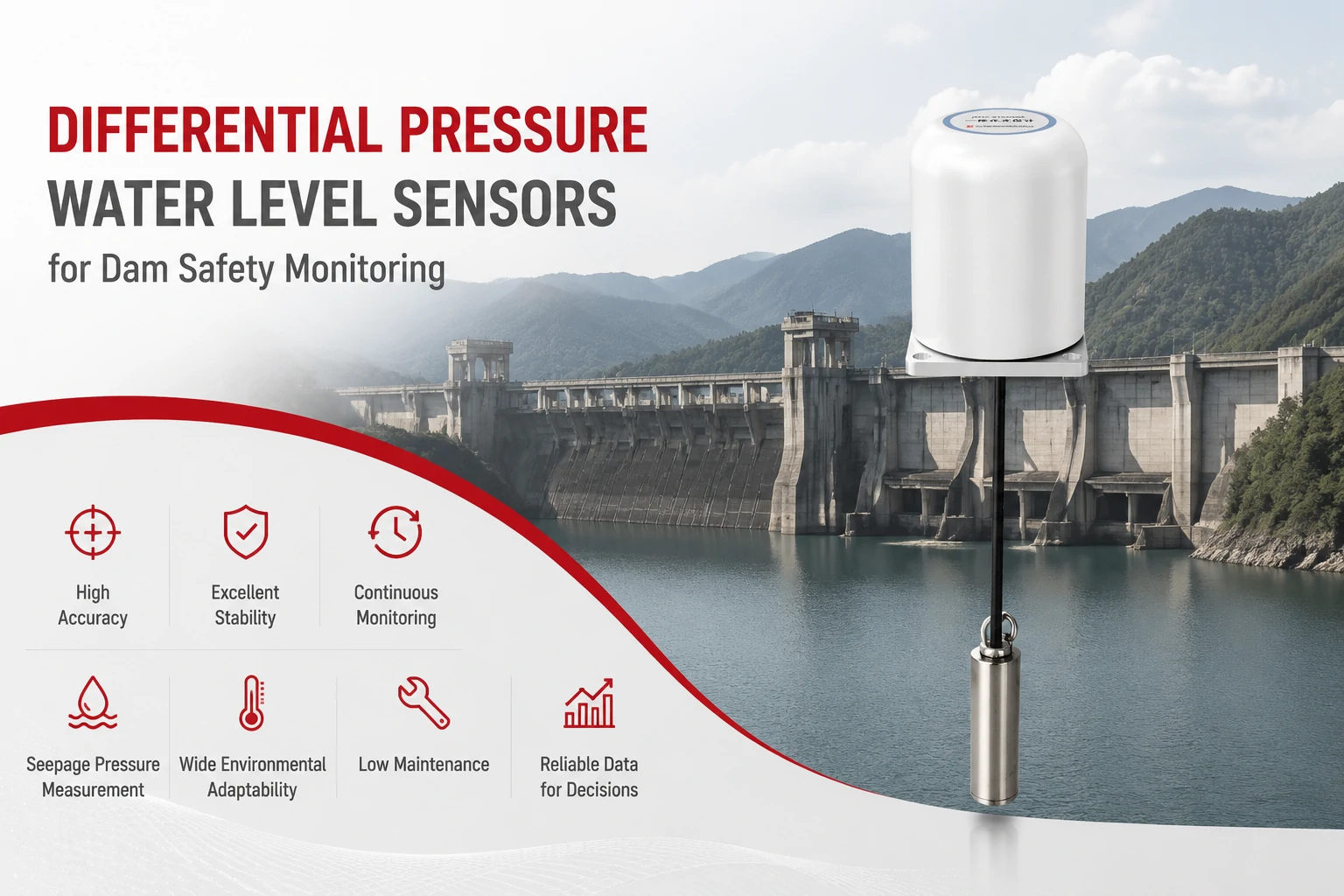
Key Takeaways The strongest fit is usually a confined, submerged, or s...
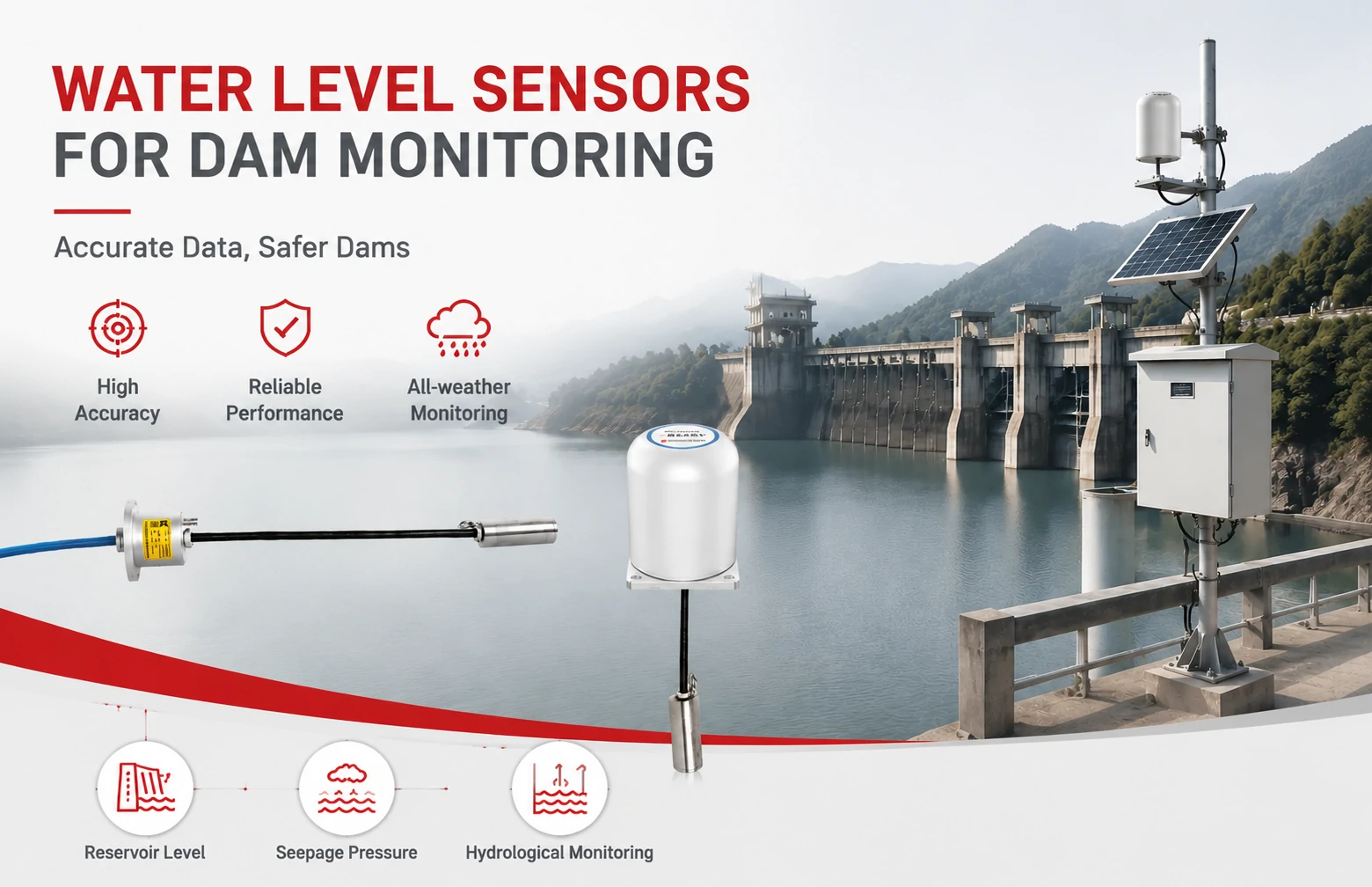
Kingmach Water Level Sensors for Dam Monitoring: A Buyer's Guide to Differential Pre...
Products
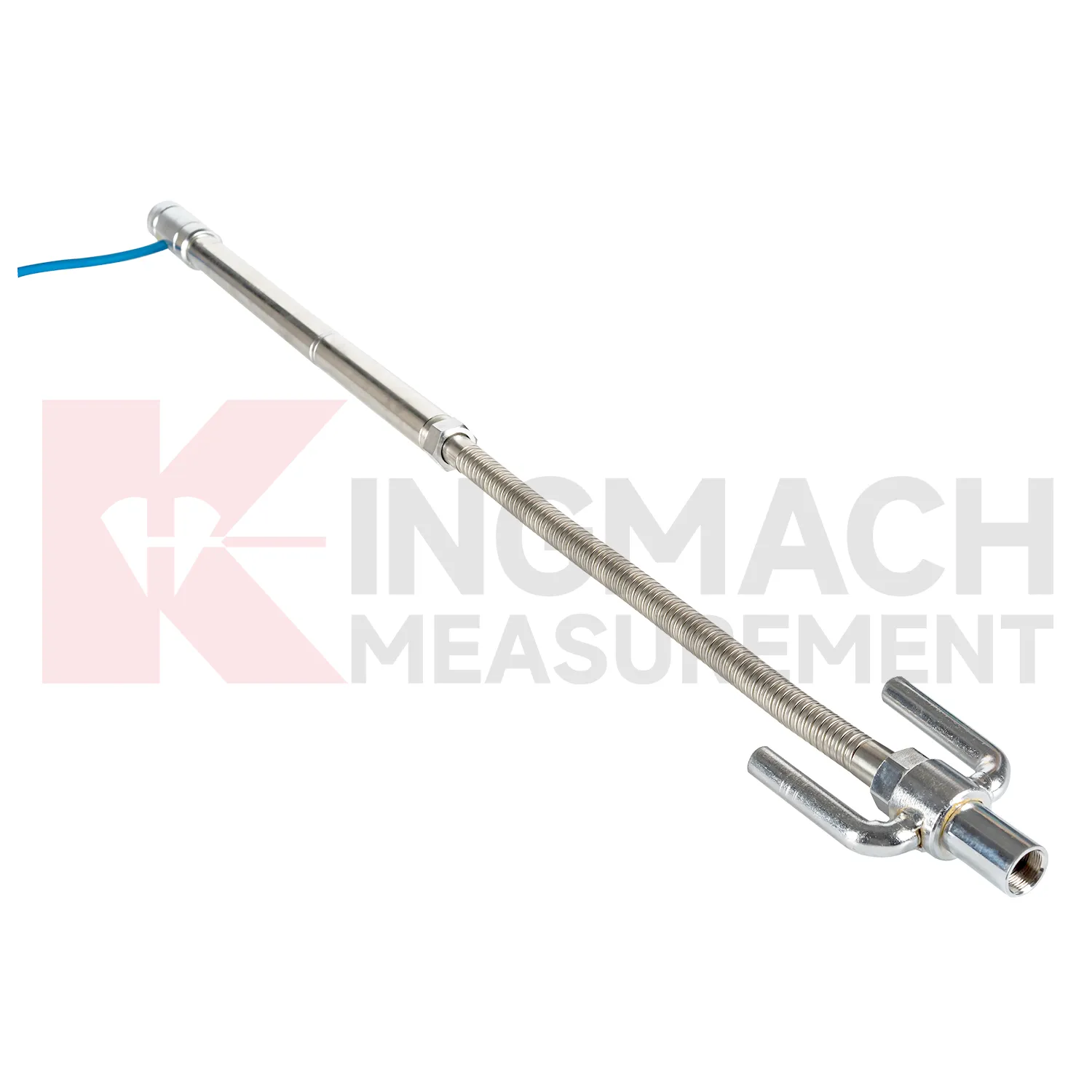
Smart Single-Point Settlement Gauge JMDL-47XXAT
View Details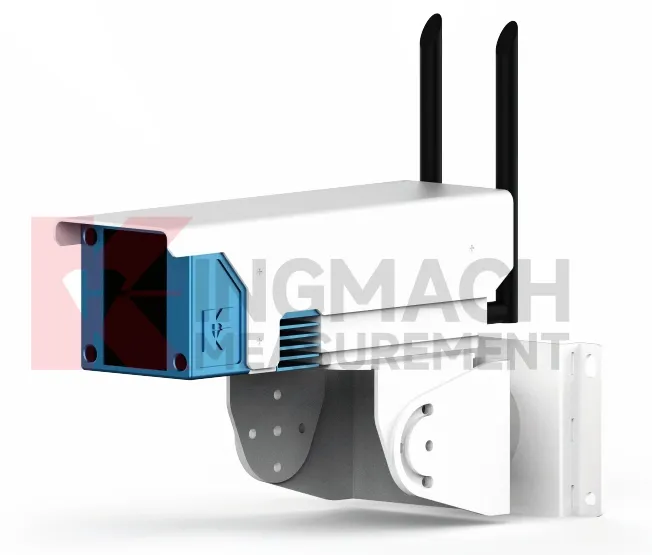
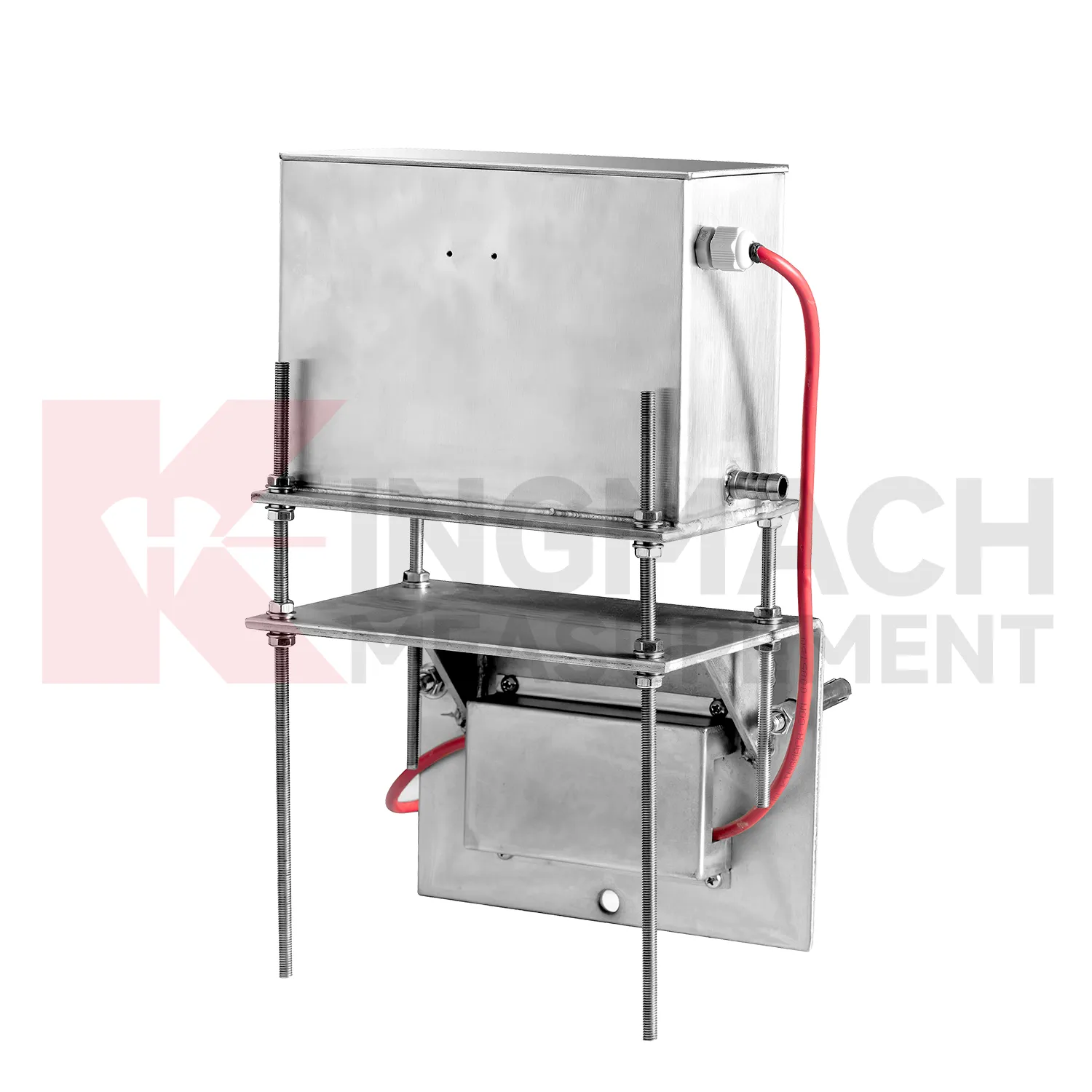
Micro Range Hydrostatic Level Sensor JMQJ-62XXADT
View DetailsFAQ
Frequency doesn’t degrade over long cables. A 4–20 mA loop can drift if cable resistance changes with temperature or moisture, but a frequency signal is just counts per second. You can run 300 meters or more without issues, and many loggers have built-in frequency counters. That means simpler wiring and fewer field checks.
It’s better suited for calm or slow-moving water where you can install it inside a stilling well or borehole. Fast flow creates dynamic pressure errors. If you must use it directly in a river, adding a perforated housing and a concrete anchor helps, but expect more signal noise. Kingmach can suggest an averaging algorithm for the logger to smooth the data.
The sensor comes with a calibration sheet that lists frequency at several known water depths. The relationship is nearly linear, so you can apply a simple slope-offset formula. Most users load those coefficients into their datalogger software once, and the logger handles the conversion automatically. If you need an SDI-12 or Modbus output, Kingmach offers a signal conditioner that sits at the surface end of the cable.
Very little, as long as the cable gland at the logger enclosure stays dry. The diaphragm may eventually collect silt or biofilm, especially in biologically active water. A deep well or borehole installation might go years without cleaning. If readings start drifting, you can pull the sensor, rinse the diaphragm with clean water and a soft brush, and compare it to the original calibration in a reference depth. No proprietary tools needed.
Yes, that’s standard for Kingmach. You specify the cable length up to about 600 meters, and the measurement range in meters of water column. They build and calibrate the sensor accordingly. The lead time is typically a few weeks, depending on the order volume. Custom labeling and connector types are also possible for large projects.
Share your product type, target capacity, and application requirements. Our team can review the details and recommend a practical next step.
If you are interested in our products or want to become our partner.
Please leave your contact information, our team will contact you as soon as possible.
Mail: [email protected]
Contact Us: +8613808434127
Address: No. 188 Tongzipo West Rd, Changsha, Hunan, China