
 EN
EN
 ar
ar bg
bg hr
hr cs
cs da
da nl
nl fi
fi fr
fr de
de el
el hi
hi it
it ko
ko no
no pl
pl pt
pt ro
ro ru
ru es
es sv
sv tl
tl iw
iw id
id lv
lv lt
lt sr
sr sk
sk sl
sl uk
uk vi
vi et
et hu
hu th
th tr
tr fa
fa ms
ms hy
hy ka
ka ur
ur bn
bn mn
mn ta
ta kk
kk uz
uz ku
ku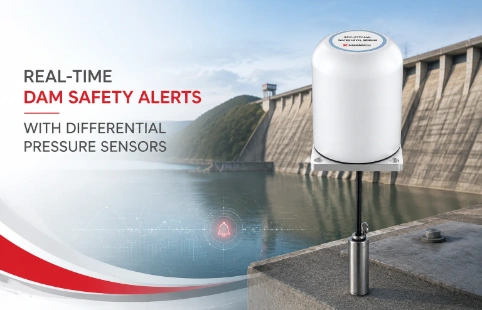
Real-Time Dam Safety Alerts with Differential Pressure Water Level Sensors
Key Takeaways An alert chain needs more than a sensor: define field in...

Joint Displacement Gauge for Practical Deformation Tracking
On a tunnel project, a few millimeters of unexpected movement can mean the difference between routine maintenance and emergency closure. That is where monitoring with a joint displacement gauge comes in—not as an afterthought, but as a standard part of construction and long-term asset management. Kingmach, a geotechnical instrumentation manufacturer, offers these gauges as part of a wider range of monitoring tools. The gauges are used to check opening or closing of joints in concrete structures, rock interfaces, and soil-structure boundaries. Engineers choose them when they need repeatable readings without complex setup. With customization available and technical backing in multiple regions, Kingmach aims to make displacement monitoring straightforward, whether the gauge is going into a metro tunnel in Southeast Asia or a dam monitoring station in South America. The idea is simple: get the data you trust, without the fuss.
Technical Detail
The joint displacement gauge from Kingmach is built for field conditions that are rarely tidy. It measures relative movement across joints and cracks with a sensor that can be mechanical or electronic, depending on the application. Though the exact specifications vary by model, a typical unit includes a durable housing rated for humidity, dust, and wide temperature swings—things you would expect on a construction site or in an exposed monitoring point. Kingmach’s in-house engineering team can adjust measuring range, output signal, and mounting hardware based on project requirements. This matters when you are dealing with non-standard joint widths or connecting to an existing data logger. The gauge often gets paired with Kingmach’s readout units or wireless nodes, but it is also compatible with common third-party logging systems. Installation usually involves anchoring both ends across the joint and setting the initial reference. From there, manual or automated readings track displacement over time. For projects that need periodic checks rather than continuous monitoring, a portable readout version keeps field work simple. As a mid-range manufacturer, Kingmach balances practical reliability with cost, and the network of distributors means that follow-up support, spares, and calibration services are accessible in most markets. It is not about flashy features; it is about instruments that keep working long after installation, because maintenance budgets are tighter than anyone likes to admit.
News
Key Takeaways An alert chain needs more than a sensor: define field in...
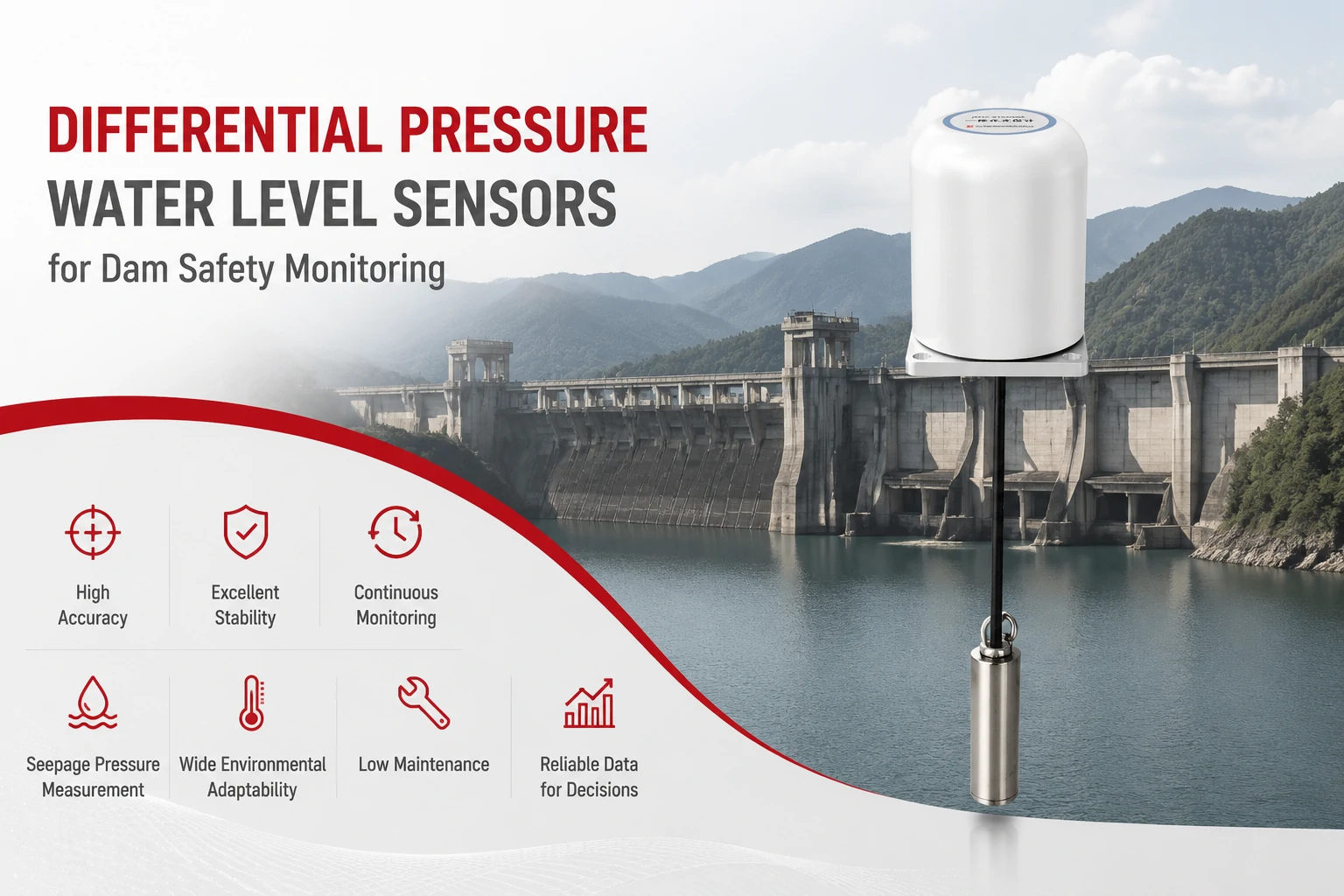
Key Takeaways The strongest fit is usually a confined, submerged, or s...
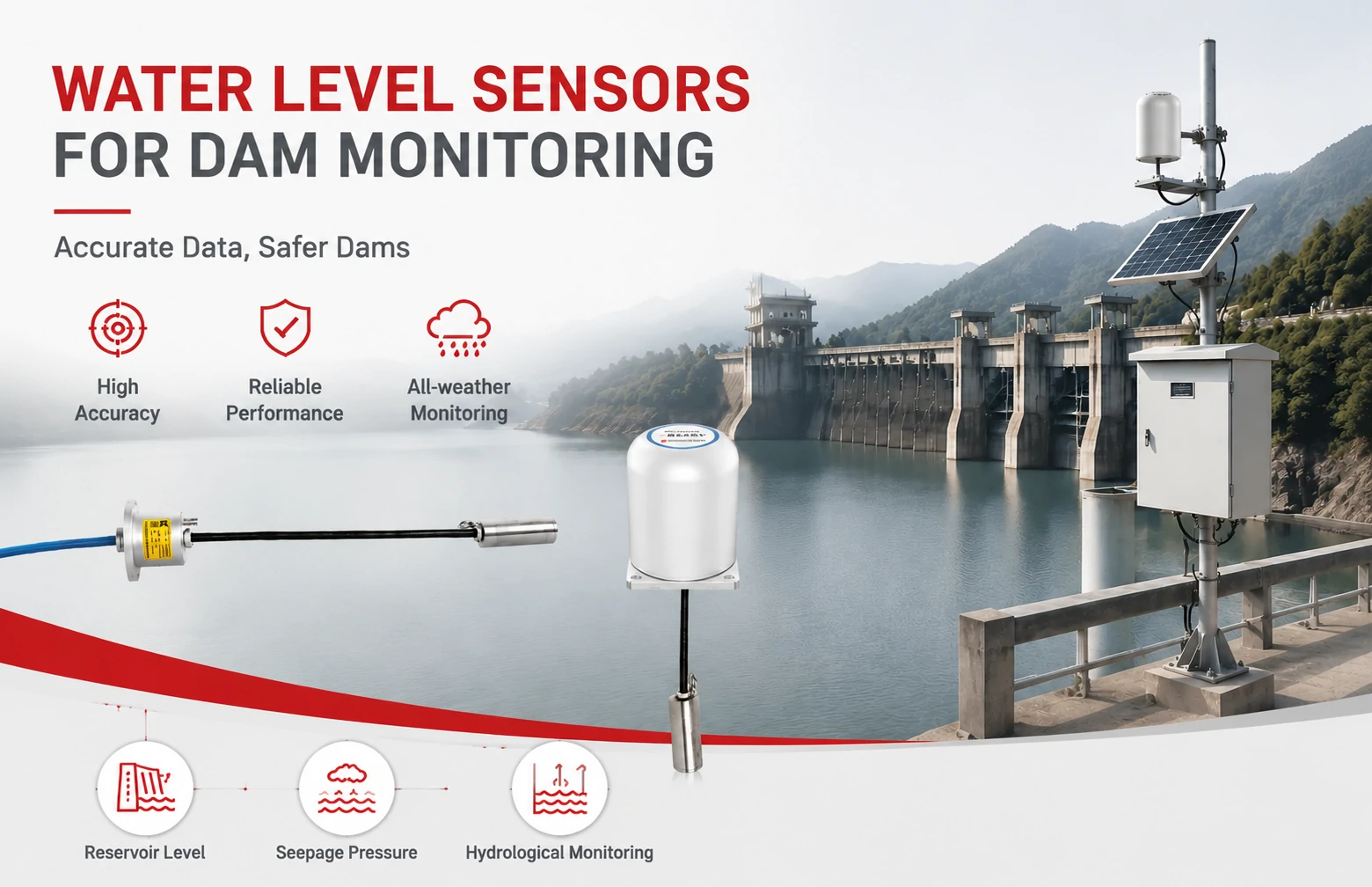
Kingmach Water Level Sensors for Dam Monitoring: A Buyer's Guide to Differential Pre...
Products
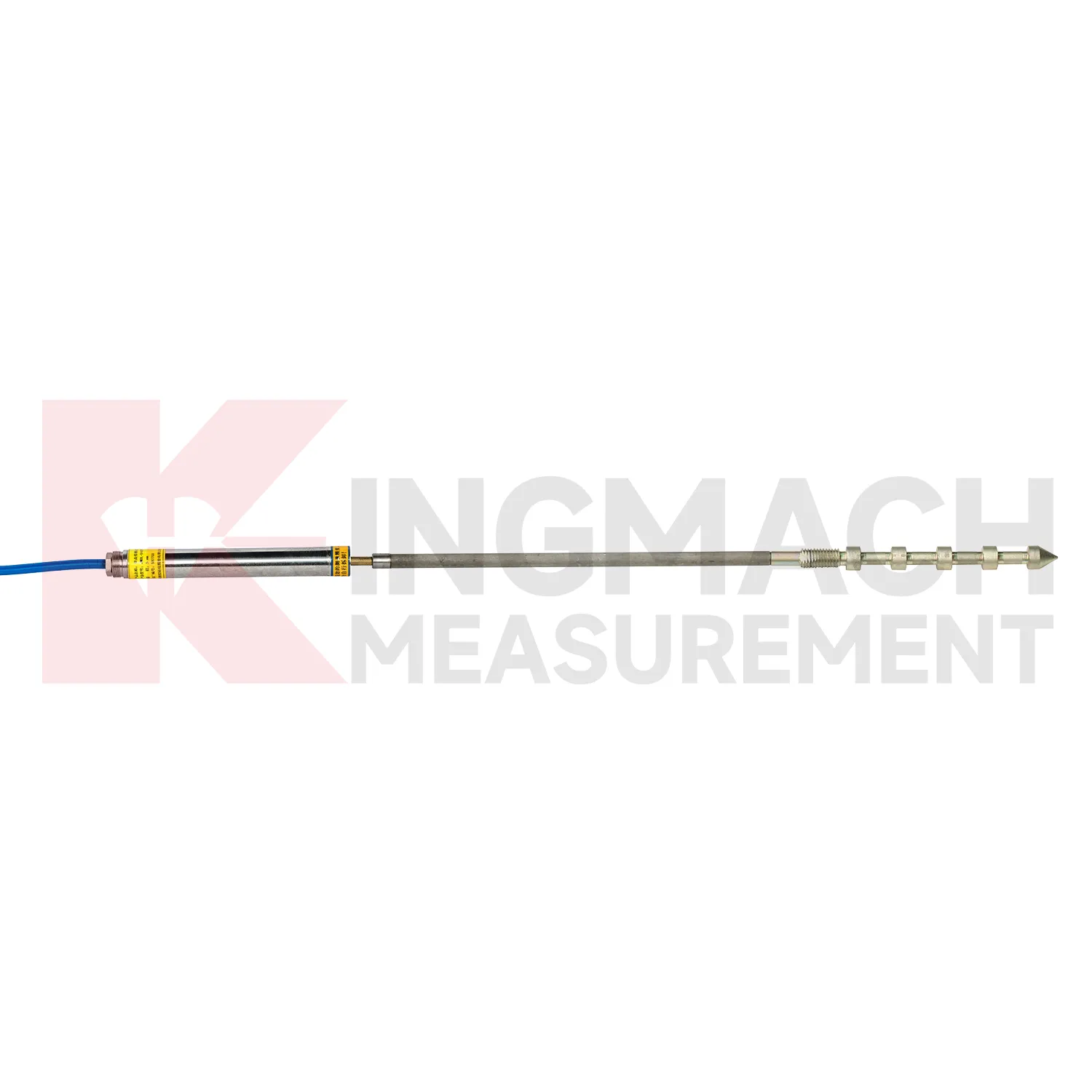
Smart Single-Point Bedrock Displacement Meter JMDL-32XXAT
View Details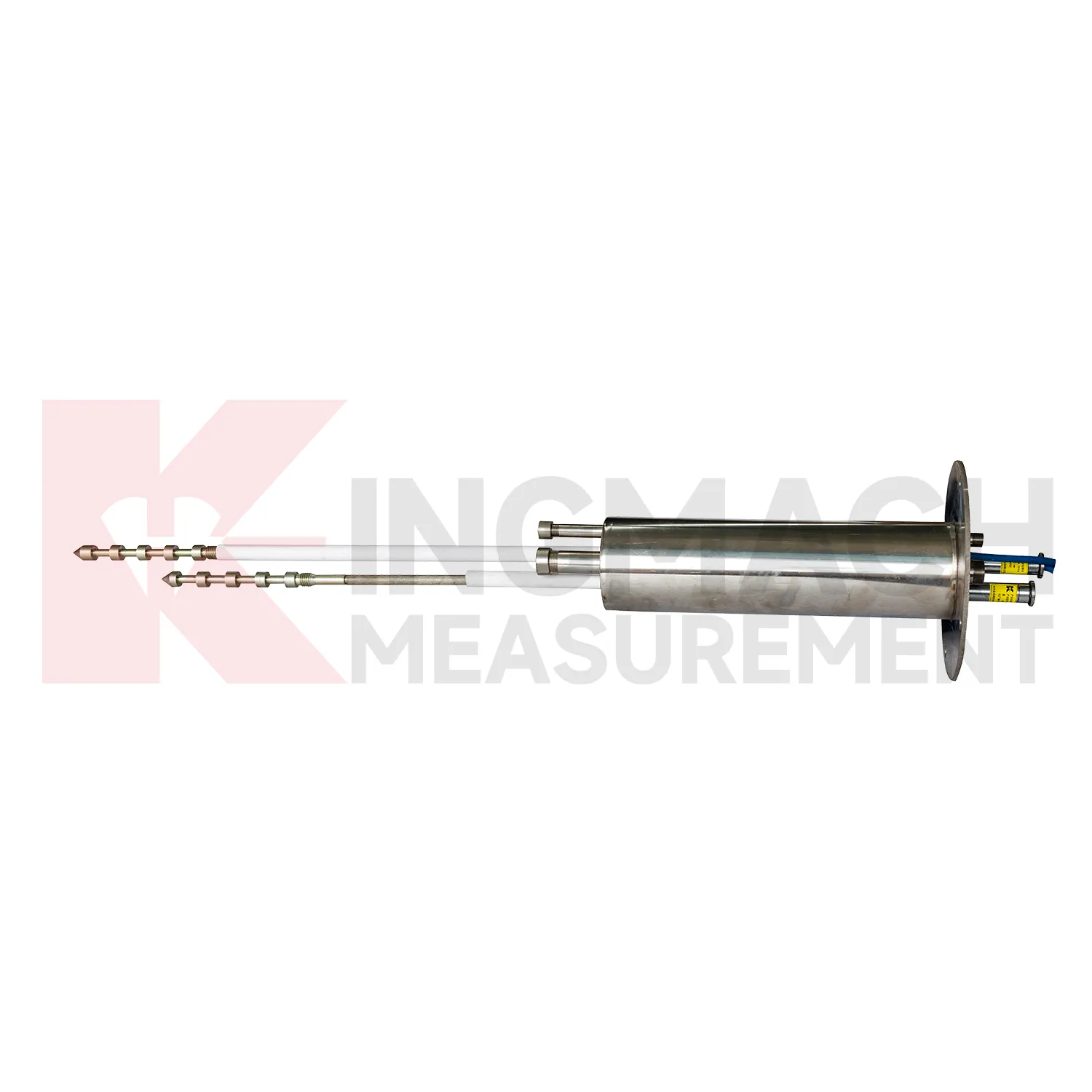
Smart Multipoint Displacement Meter JMDL-31XXAT
View Details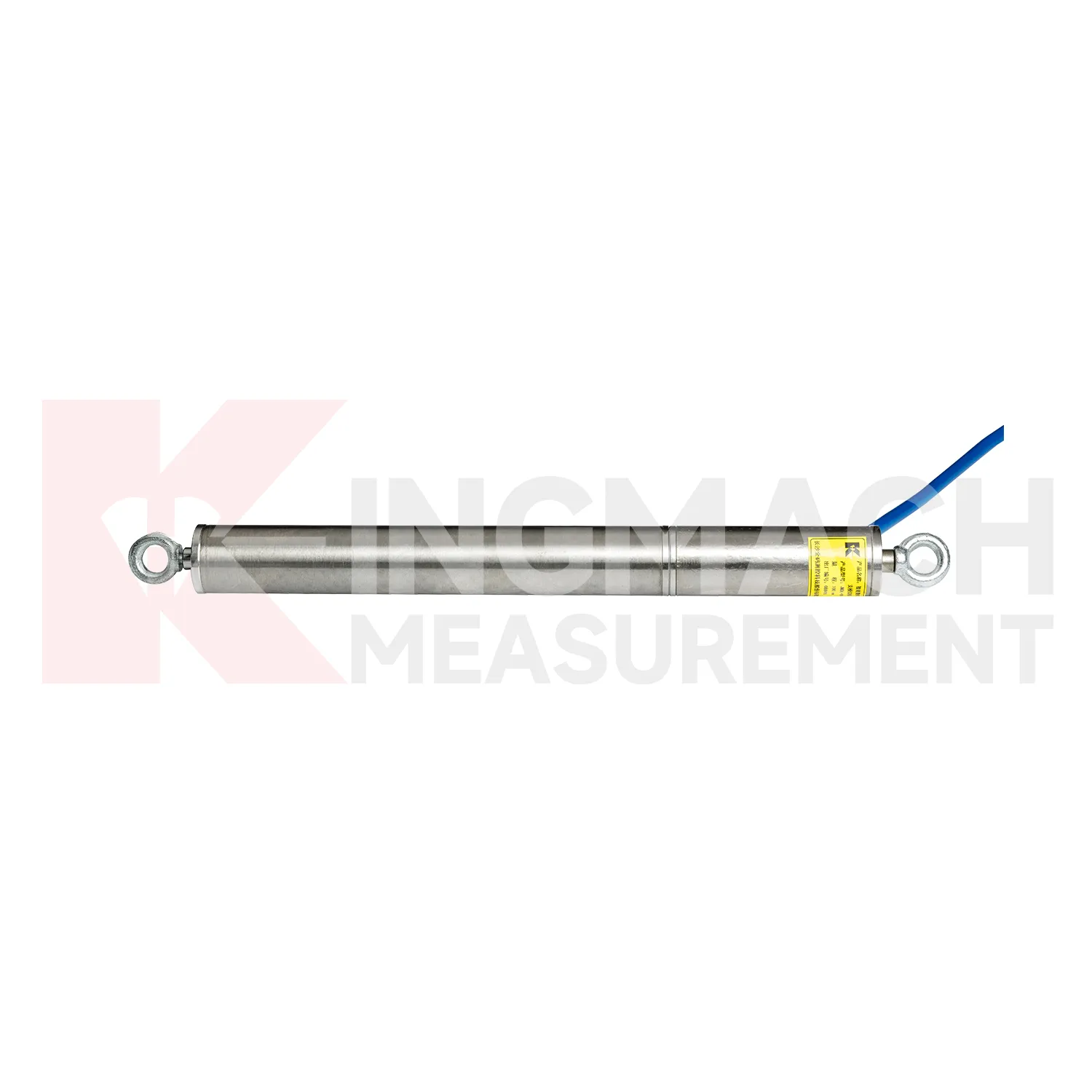
Smart Formwork Displacement Meter/ Steel Wire Displacement Meter JMDL-49XXAT
View DetailsFAQ
The terms are sometimes used interchangeably, but a joint displacement gauge is typically designed for wider openings or movement across construction joints—like between concrete slabs in a tunnel lining—while a crack meter often targets finer surface cracks. Kingmach’s range covers both, and the team can help match the right model to your expected displacement range.
They work in both scenarios. For existing structures, anchoring points are retrofitted with anchors or expansion bolts. For new builds, they can be embedded or surface-mounted at commissioning. Kingmach provides mounting templates and guidance to align the gauge axis with the expected movement direction.
There is no one-size-fits-all answer, but in places with big daily temperature swings, you often want readings at least every hour during critical periods to separate thermal cycles from actual structural movement. Many users connect the gauge to an automated logger that records readings more frequently during the hottest part of the day, then thins them out at night. Kingmach’s electronic gauges can handle that kind of schedule without manual intervention.
Yes, customization of rod length, range, and even material grade is something Kingmach does regularly. The standard models cover common ranges, but if your joint depth or width is outside typical specs, you can request a custom solution. Lead time adjusts accordingly, so it is best to discuss this early in the project planning phase.
In most cases, periodic checks for corrosion, cable integrity, and calibration drift are enough. Mechanical gauges may need occasional cleaning of the measuring surfaces. Electronic versions benefit from firmware checks if they are connected to a digital system. Kingmach’s technical team can advise on maintenance schedules based on the specific model and environmental exposure.
Share your product type, target capacity, and application requirements. Our team can review the details and recommend a practical next step.
If you are interested in our products or want to become our partner.
Please leave your contact information, our team will contact you as soon as possible.
Mail: [email protected]
Contact Us: +8613808434127
Address: No. 188 Tongzipo West Rd, Changsha, Hunan, China